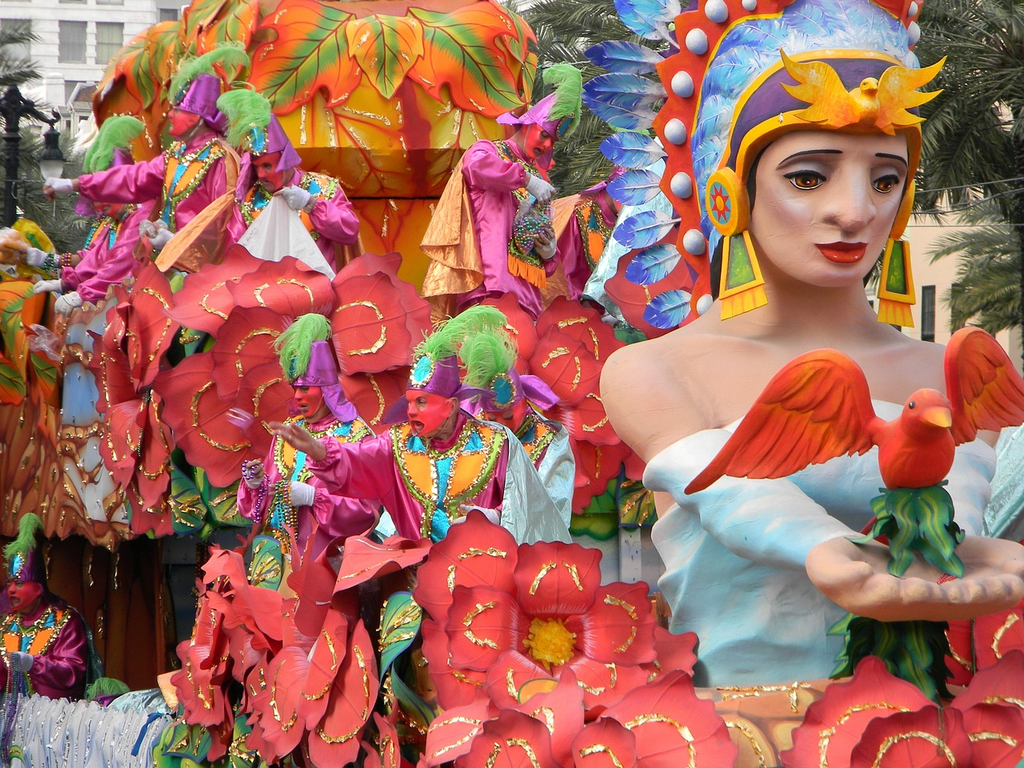
Mardi Gras in France, also known as "Fat Tuesday," is a festive celebration marking the last day before Lent. Traditionally, it involves lively parades, masquerade balls, and colorful costumes. People indulge in rich foods like crêpes and beignets, as it is the final opportunity to enjoy treats before the fasting period. The event is especially vibrant in cities like Nice and Dunkirk, where local customs and joyful processions attract large crowds.
Mardi Gras in France
Mardi Gras in France, also known as "Fat Tuesday," is a festive celebration marking the last day before Lent. Traditionally, it involves lively parades, masquerade balls, and colorful costumes. People indulge in rich foods like crêpes and beignets, as it is the final opportunity to enjoy treats before the fasting period. The event is especially vibrant in cities like Nice and Dunkirk, where local customs and joyful processions attract large crowds.

💡 Key Takeaways
- Understand the origins and timing of Mardi Gras in France and its link to pre-Lent traditions.
- Learn about major French Mardi Gras celebrations (e.g., Nice Carnival, Dunkirk Carnival) and how they vary by region.
- Explore common symbols, costumes, masks, floats, and typical carnival foods in France.
- Discover how Mardi Gras is celebrated today in France, including family-friendly events, etiquette, and safety considerations.
❓ Frequently Asked Questions
What is Mardi Gras and how is it celebrated in France?
Mardi Gras, or Fat Tuesday, marks the last day of the Carnival season before Lent. In France, celebrations include parades, costumes, masks, and street parties, with regional twists like Nice's Carnival or Dunkirk's grand parades.
When does Mardi Gras take place in France?
The date varies each year because it depends on Ash Wednesday. It falls on the Tuesday before Ash Wednesday, usually in February or early March.
Which French city is famous for its Mardi Gras carnival?
Nice hosts one of the most famous carnivals (Carnaval de Nice) with ornate floats and flower parades; Dunkirk is also renowned for its own carnival.
What is the relationship between Mardi Gras and Lent?
Mardi Gras is the final day of the Carnival season and marks the start of Lent, a 40-day period of fasting beginning on Ash Wednesday.
Are masks and costumes part of Mardi Gras celebrations in France?
Yes. Masks and elaborate costumes are common features of many French carnivals, adding to the festive atmosphere.