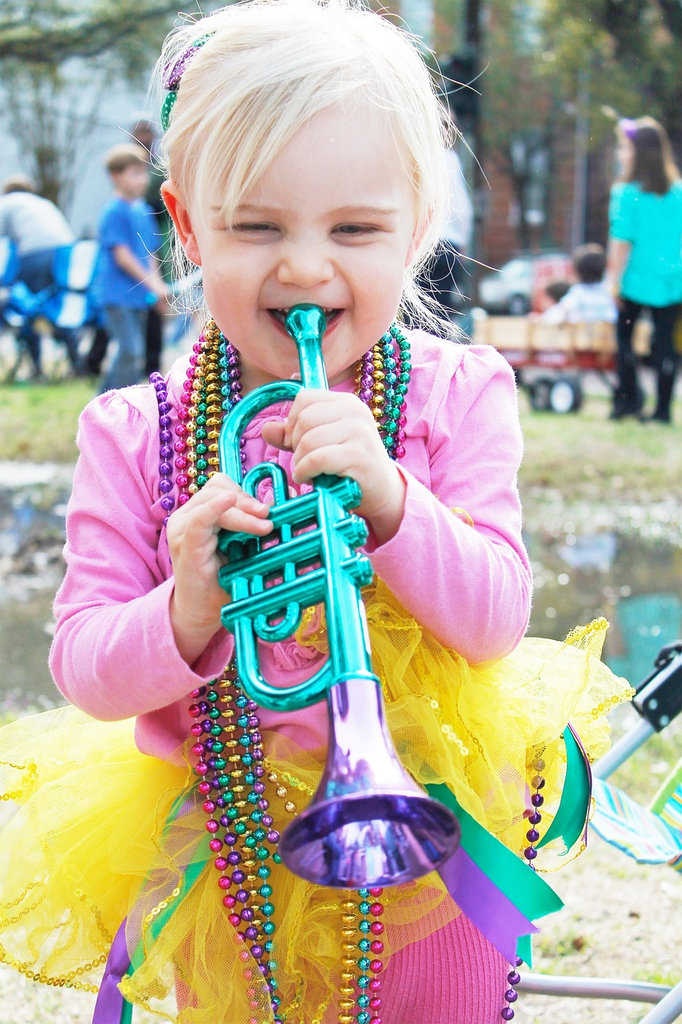
Mardi Gras in New Orleans is a vibrant, world-famous festival celebrated with colorful parades, elaborate costumes, and lively music. Taking place before Lent, it features floats, masked balls, and the throwing of beads and trinkets to enthusiastic crowds. The city’s streets come alive with revelers enjoying traditional foods, jazz bands, and street performances, reflecting New Orleans’ rich cultural heritage and spirit of joyous celebration.
Mardi Gras in New Orleans
Mardi Gras in New Orleans is a vibrant, world-famous festival celebrated with colorful parades, elaborate costumes, and lively music. Taking place before Lent, it features floats, masked balls, and the throwing of beads and trinkets to enthusiastic crowds. The city’s streets come alive with revelers enjoying traditional foods, jazz bands, and street performances, reflecting New Orleans’ rich cultural heritage and spirit of joyous celebration.
💡 Key Takeaways
- Understand the history and evolution of Mardi Gras in New Orleans, from its origins to its status as a citywide celebration.
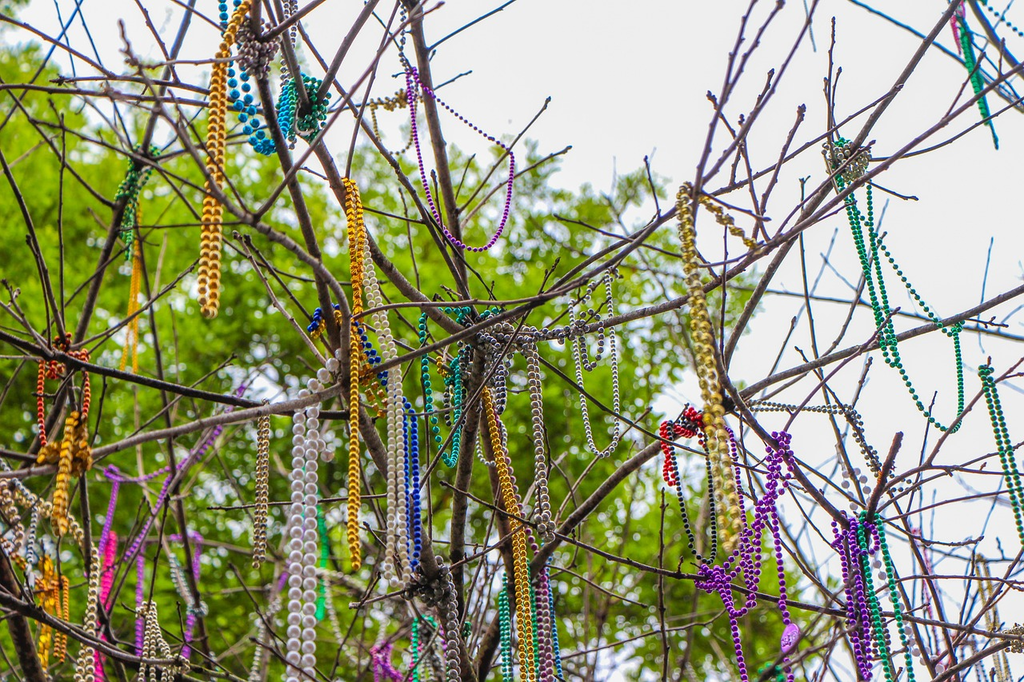
- Identify the core elements of the festival—parades, krewes, floats, throws, beads, and masquerade masks.
- Explore traditional foods and symbols, especially the King Cake and its role in celebrations.
- Learn practical tips for experiencing Mardi Gras, including common viewing spots, timing, and basic etiquette and safety considerations.
❓ Frequently Asked Questions
What is Mardi Gras in New Orleans?
A citywide Carnival celebration featuring parades, floats, beads, costumes, and King Cake, culminating on Fat Tuesday just before Lent.
When does Mardi Gras usually occur?
The date changes each year because it’s tied to Easter. It falls on Shrove Tuesday (Fat Tuesday) and runs with weeks of parades leading up to it.
What is a krewe?
A social club that designs and organizes parades and balls for Mardi Gras; each krewe has its own theme and float lineup.
What are common Mardi Gras traditions in New Orleans?
Parades, throwing beads, wearing masks and costumes, and king cake (often with a hidden baby); colors purple, green, and gold are symbolic.
Where are the best places to watch the parades?
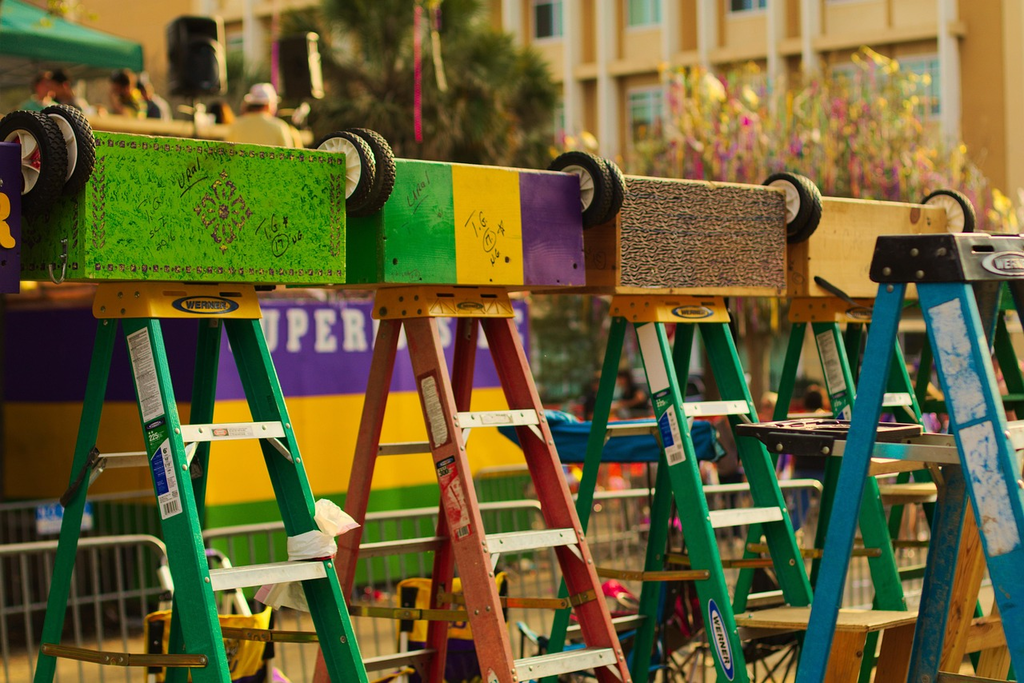
Popular spots include St. Charles Avenue in Uptown, the French Quarter, and Canal Street; arrive early and bring seating if needed.