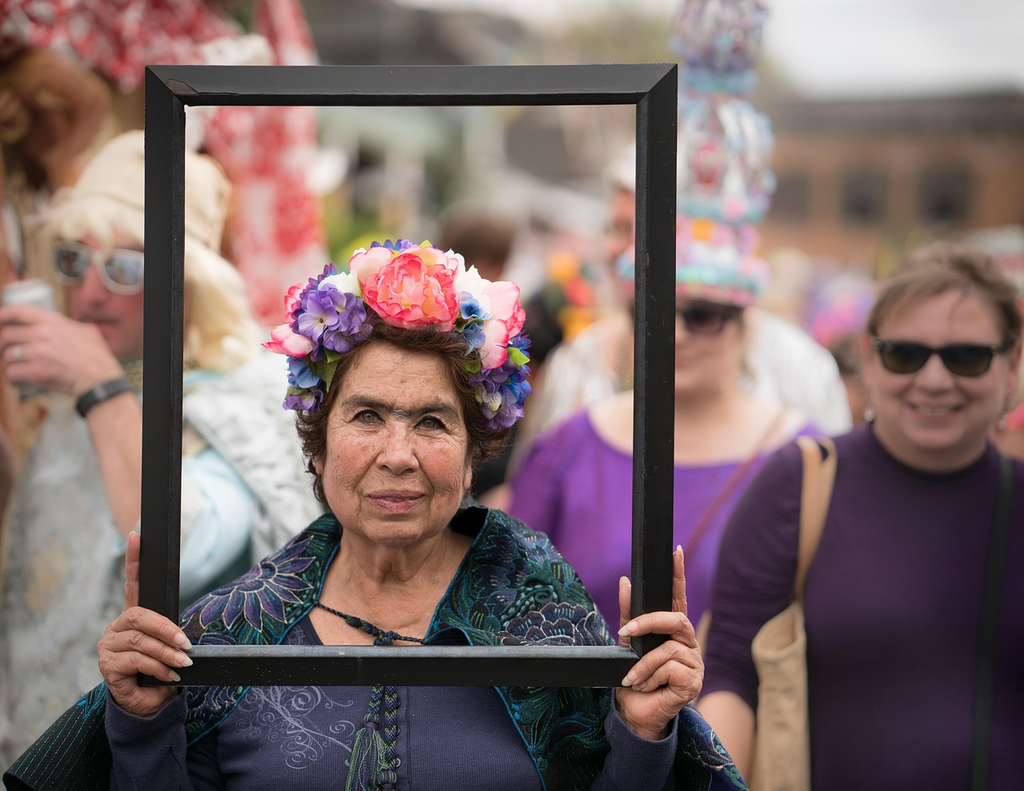
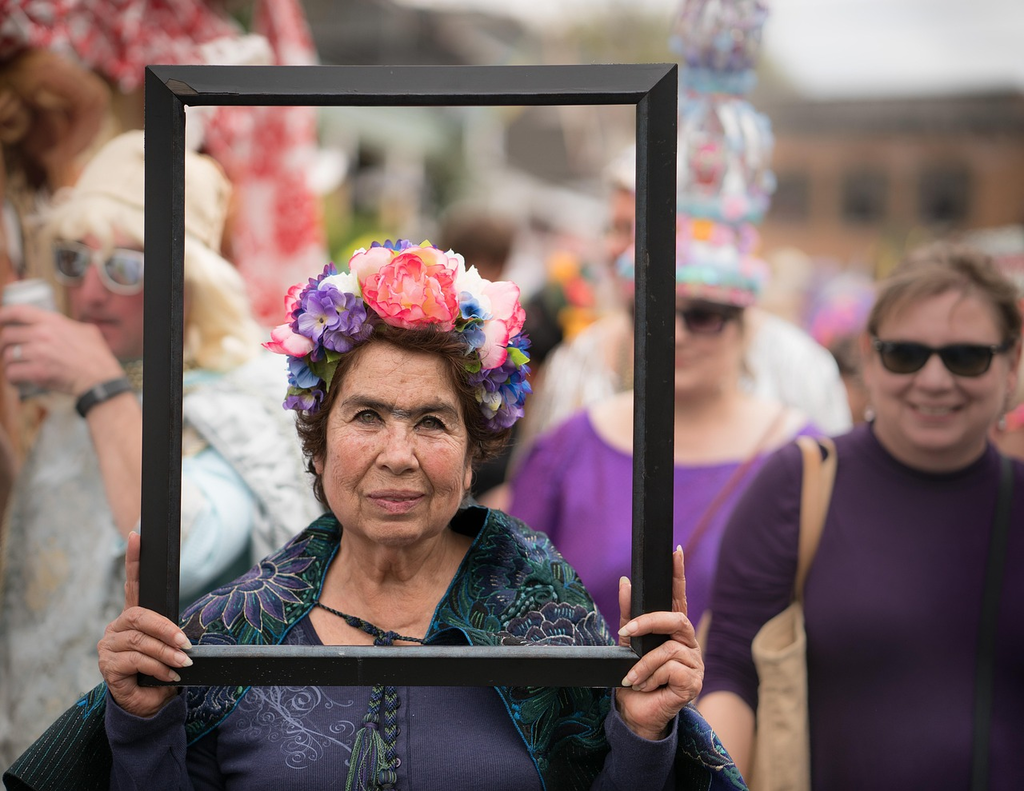
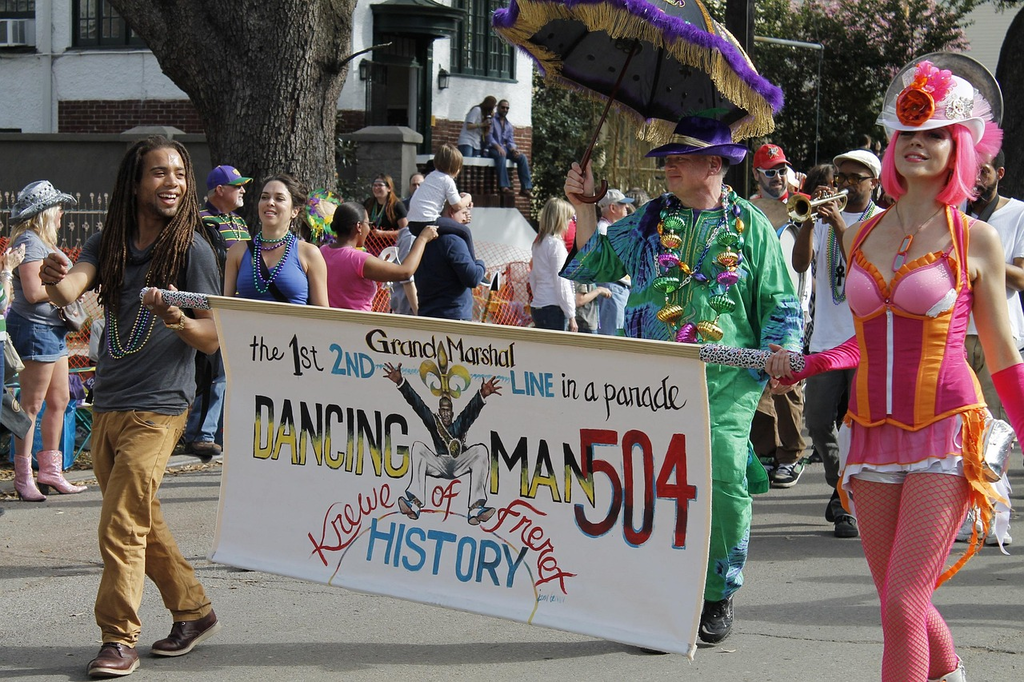
Mardi Gras Parades are vibrant, lively processions held during the Mardi Gras festival, especially popular in New Orleans. These parades feature elaborately decorated floats, costumed performers, marching bands, and revelers tossing beads and trinkets to the crowds. Participants and spectators alike embrace a festive spirit, celebrating with music, dancing, and colorful displays. The parades are a central tradition of Mardi Gras, symbolizing joy, community, and cultural heritage.
Mardi Gras Parades+50
Mardi Gras Parades are vibrant, lively processions held during the Mardi Gras festival, especially popular in New Orleans. These parades feature elaborately decorated floats, costumed performers, marching bands, and revelers tossing beads and trinkets to the crowds. Participants and spectators alike embrace a festive spirit, celebrating with music, dancing, and colorful displays. The parades are a central tradition of Mardi Gras, symbolizing joy, community, and cultural heritage.
💡 Key Takeaways
- Learn the history and cultural significance of Mardi Gras parades, with a focus on their origins and how they are celebrated today.
- Identify common parade elements such as floats, throws (beads), marching bands, and the symbolic colors of purple, green, and gold.
- Understand how parades are organized (krewes, routes, and float design) and how the procession is scheduled.
- Get practical tips for watching parades safely and respectfully, including etiquette for collecting throws and interacting with participants.
❓ Frequently Asked Questions
What is Mardi Gras and what role do parades play in the celebration?
Mardi Gras, meaning 'Fat Tuesday,' is the culmination of Carnival season before Lent. Parades are a central tradition, featuring floats, costumes, music, and throws that bring communities together.
What is a krewe in Mardi Gras parades?
A krewe is a social club that plans and finances a parade, designs the floats and costumes, and coordinates themes and performances.
What are 'throws' in Mardi Gras parades?
Throws are items tossed to spectators from floats, such as beads, cups, coins, or small toys; catching them is a popular tradition.
When and where do Mardi Gras parades typically occur?
Parades run in the weeks leading up to Fat Tuesday, especially in New Orleans and other Louisiana cities, with dates and routes varying by year and krewe. Check local schedules for specifics.