Marine and coastal ecosystems around the UK encompass a diverse range of habitats, including rocky shores, sandy beaches, salt marshes, estuaries, and extensive underwater environments. These ecosystems support a rich variety of species, such as seabirds, seals, fish, and marine plants. They play a vital role in maintaining biodiversity, protecting coastlines from erosion, cycling nutrients, and supporting fisheries, while also facing pressures from pollution, climate change, and human activity.
Marine and coastal ecosystems around the UK
Marine and coastal ecosystems around the UK encompass a diverse range of habitats, including rocky shores, sandy beaches, salt marshes, estuaries, and extensive underwater environments. These ecosystems support a rich variety of species, such as seabirds, seals, fish, and marine plants. They play a vital role in maintaining biodiversity, protecting coastlines from erosion, cycling nutrients, and supporting fisheries, while also facing pressures from pollution, climate change, and human activity.
💡 Key Takeaways
- Identify and describe common UK marine and coastal habitats (rocky shores, sandy beaches, salt marshes, estuaries, and underwater habitats) and where they occur.
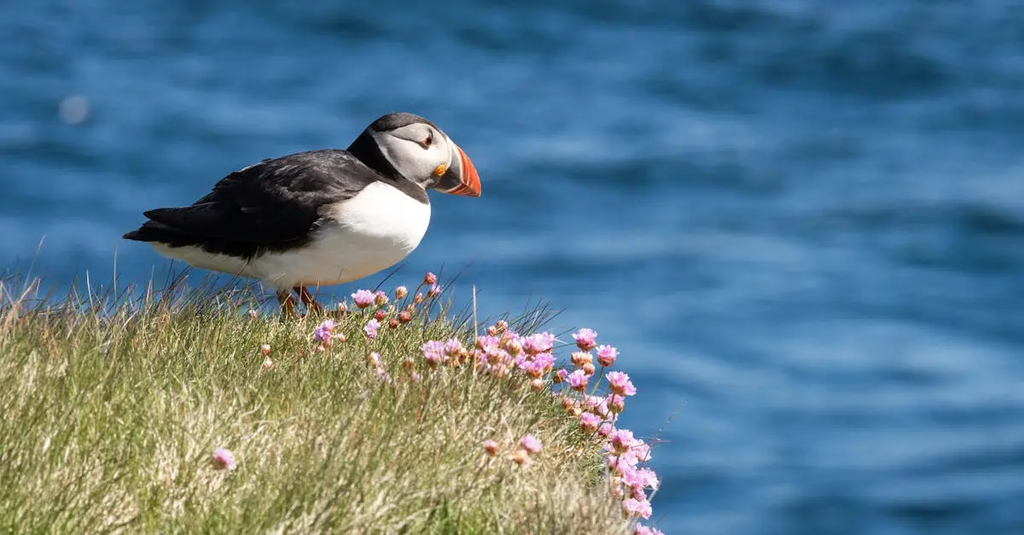
- Explain how habitat diversity supports key species such as seabirds, seals, fish, and marine plants.
- Describe the ecosystem services these habitats provide, including coastal protection, biodiversity support, and food resources.
- Discuss how human activities and climate change can affect these ecosystems and what simple conservation actions can help.
❓ Frequently Asked Questions
What are the main habitats around the UK coast?
Rocky shores, sandy beaches, salt marshes, estuaries, and underwater habitats like kelp forests, seagrass beds, and reefs.
Why are estuaries important for marine life around the UK?
Estuaries mix freshwater and seawater and are highly productive, serving as nurseries and feeding grounds for many fish, birds, and other species.
How do salt marshes benefit coastal ecosystems and people?
They buffer waves, reduce flooding, filter pollutants, store carbon, and provide habitat for birds and invertebrates.
Which species rely on these habitats?
Seabirds, seals, fish, and marine plants depend on these ecosystems for food, shelter, and breeding sites.
What threats face UK marine and coastal ecosystems?
Pollution, overfishing, coastal development, warming waters, and plastic waste threaten habitats and wildlife.