Marine science explores the complex interactions within ocean environments, focusing on coral reefs and currents. Coral reefs are vibrant underwater ecosystems that support diverse marine life and protect coastlines. Ocean currents, driven by wind, temperature, and salinity, circulate water across the globe, distributing nutrients and influencing climate. Studying these elements helps scientists understand the health of marine ecosystems and the impact of environmental changes on ocean life.
Marine Science: Coral Reefs and Currents
Marine science explores the complex interactions within ocean environments, focusing on coral reefs and currents. Coral reefs are vibrant underwater ecosystems that support diverse marine life and protect coastlines. Ocean currents, driven by wind, temperature, and salinity, circulate water across the globe, distributing nutrients and influencing climate. Studying these elements helps scientists understand the health of marine ecosystems and the impact of environmental changes on ocean life.
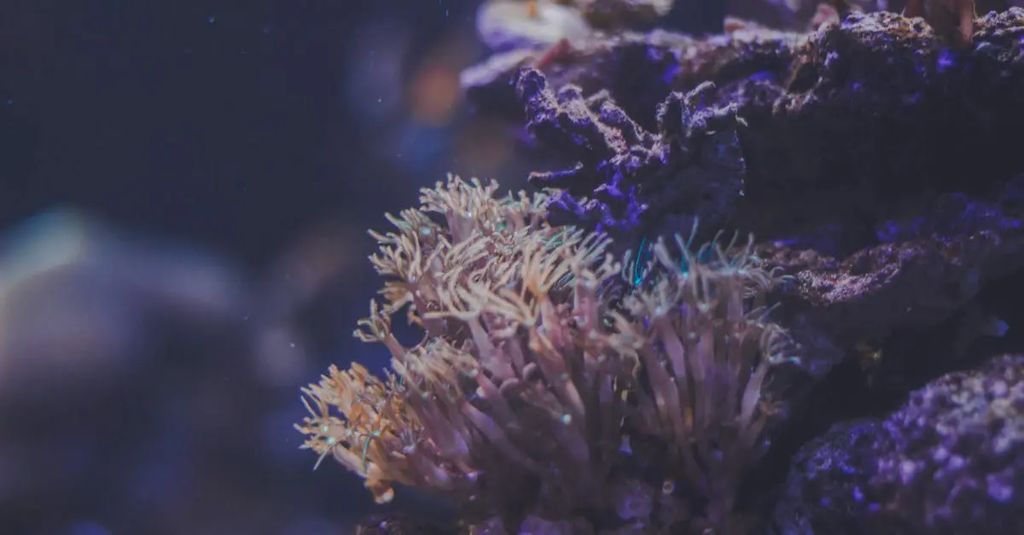
💡 Key Takeaways
- Understand what coral reefs are and why they host diverse marine life.
- Learn how ocean currents form and move water around the world, driven by wind, temperature, and salinity.
- See how currents influence nutrient distribution, climate, and coastal protection.
- Recognize the importance of reefs to people and ecosystems and ways we can help protect them.
❓ Frequently Asked Questions
What is a coral reef?
A large underwater habitat built by tiny animals called coral polyps that secrete hard calcium carbonate shells, forming structures that host many sea creatures.
Why are coral reefs important?
They provide homes for many species, protect coastlines from waves, and support fishing, tourism, and biodiversity.
What are ocean currents and what drives them?
Currents are steady flows of seawater around the world. They are driven by wind, differences in water temperature and salinity, and the rotation of the Earth.
How do currents affect reef life?
Currents bring nutrients and food for organisms, move heat to balance oceans, and help spread young corals and other species to new areas.
What can you do to help protect coral reefs?
Use reef‑safe sunscreen, avoid touching or collecting corals, reduce plastic and pollution, and choose eco-friendly snorkeling or diving.