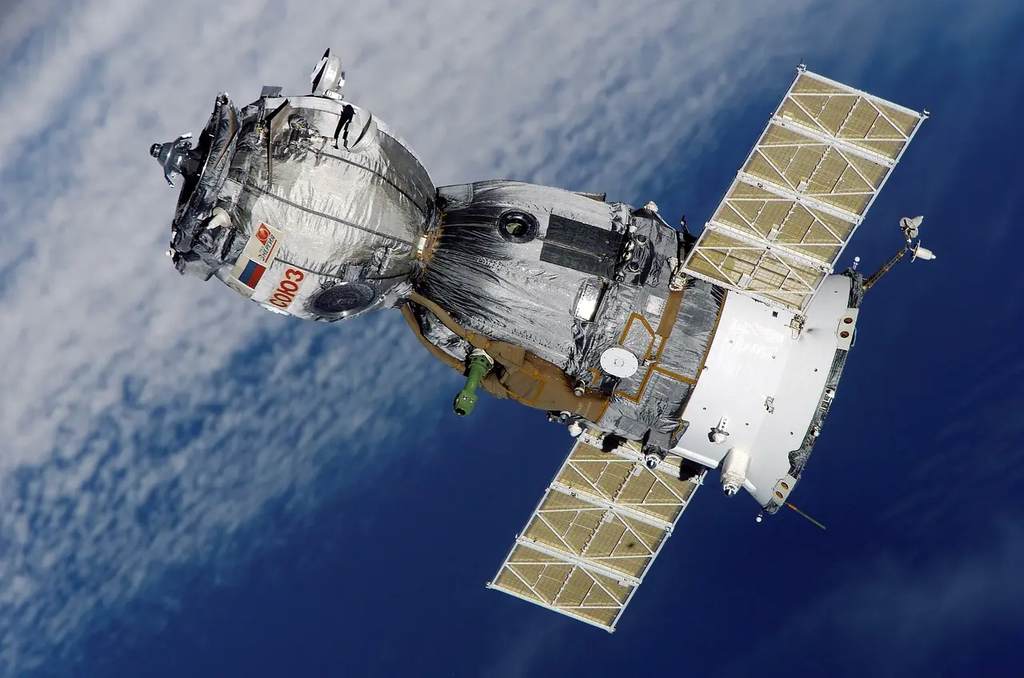
Mars rovers and robotic space explorers are advanced, unmanned machines designed to investigate planets, moons, and other celestial bodies. These explorers, like NASA’s Curiosity and Perseverance rovers, travel across Mars’ surface, capturing images, analyzing soil and rock samples, and searching for signs of past life. By sending data back to Earth, they help scientists better understand planetary environments and lay the groundwork for future human exploration beyond our planet.
Mars Rovers and Robotic Space Explorers
Mars rovers and robotic space explorers are advanced, unmanned machines designed to investigate planets, moons, and other celestial bodies. These explorers, like NASA’s Curiosity and Perseverance rovers, travel across Mars’ surface, capturing images, analyzing soil and rock samples, and searching for signs of past life. By sending data back to Earth, they help scientists better understand planetary environments and lay the groundwork for future human exploration beyond our planet.
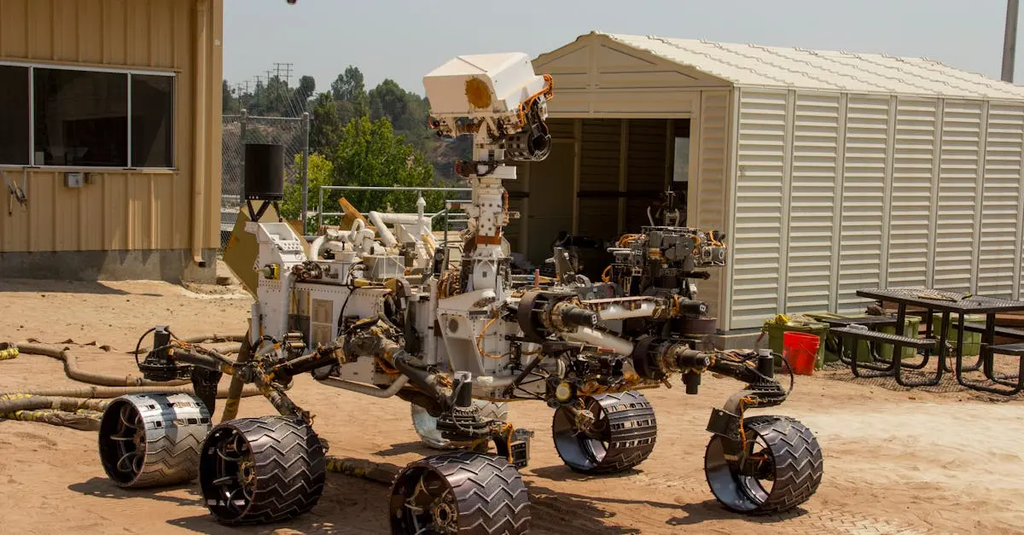
💡 Key Takeaways
- Understand what Mars rovers and robotic space explorers are and why they operate unmanned.
- Learn how rovers navigate rough planetary terrain and communicate with Earth across vast distances.
- Explore the core scientific tasks of rovers, such as capturing images and analyzing soil and rock samples to study Mars' geology and past environments.
- Identify mission examples like NASA's Curiosity and Perseverance, and their goals, including searching for signs of past life and assessing habitability.
❓ Frequently Asked Questions
What are Mars rovers and robotic space explorers?
Unmanned spacecraft designed to investigate planets and other celestial bodies by moving across surfaces, taking images, and performing experiments to learn about their environments and histories.
How do rovers like Curiosity and Perseverance explore Mars?
They drive across the surface using autonomous navigation, carry scientific instruments, collect samples, capture high‑resolution images, and send data back to Earth through communication networks.
What kinds of science do these rovers perform?
They analyze rocks and soil to determine composition, look for signs of past water or habitability, study the atmosphere and climate, and search for clues about Mars’ history and potential for life.
Why are Mars rover missions important?
They help scientists understand Mars’ geology and history, assess its potential to have supported life, test technologies for future human exploration, and expand our knowledge of the solar system.