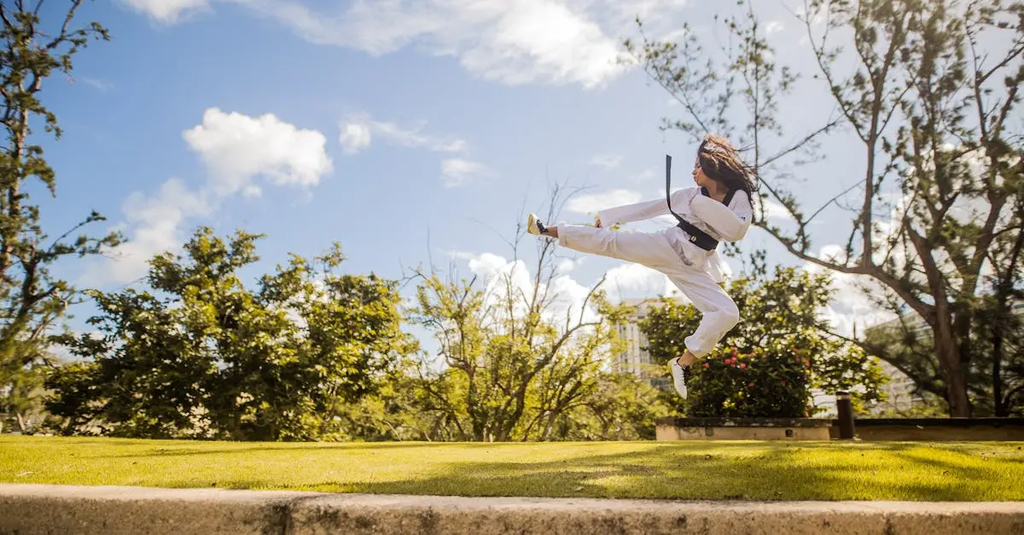
Martial arts refer to various codified systems and traditions of combat practiced for self-defense, physical fitness, mental discipline, and spiritual development. Originating in diverse cultures around the world, these arts often emphasize techniques such as striking, grappling, and weapon use. Beyond physical training, martial arts foster respect, focus, and self-control, making them popular for personal growth as well as sport. Examples include karate, judo, taekwondo, and kung fu.
Martial Arts+45
Martial arts refer to various codified systems and traditions of combat practiced for self-defense, physical fitness, mental discipline, and spiritual development. Originating in diverse cultures around the world, these arts often emphasize techniques such as striking, grappling, and weapon use. Beyond physical training, martial arts foster respect, focus, and self-control, making them popular for personal growth as well as sport. Examples include karate, judo, taekwondo, and kung fu.
💡 Key Takeaways
- Recognize the main purposes of martial arts: self-defense, fitness, mental discipline, and spiritual growth.
- Identify key technique categories: striking, grappling, and weapon use.
- Appreciate the cultural and historical diversity of martial arts from around the world.
- Understand how regular practice builds physical skills like balance and coordination, plus mental focus.
❓ Frequently Asked Questions
What is martial arts?
Martial arts are codified systems of combat practiced for self-defense, fitness, discipline, and personal development. They commonly involve striking, grappling, and sometimes weapons, with emphasis on technique and mindset.
What are the main technique categories in martial arts?
Striking (punches, kicks, elbows, knees), grappling (throws, holds, submissions), and weapons training (swords, staffs, etc.). Some arts combine these elements.
Do martial arts include spiritual or mental aspects?
Yes. Many traditions emphasize mental focus, respect, discipline, and personal growth alongside physical skills.
Name a few popular martial arts and their focuses.
Karate/Taekwondo emphasize striking and kicking; Judo/Brazilian Jiu-Jitsu focus on grappling and ground work; Kung Fu covers a broad range of techniques; Aikido emphasizes redirection and harmony.