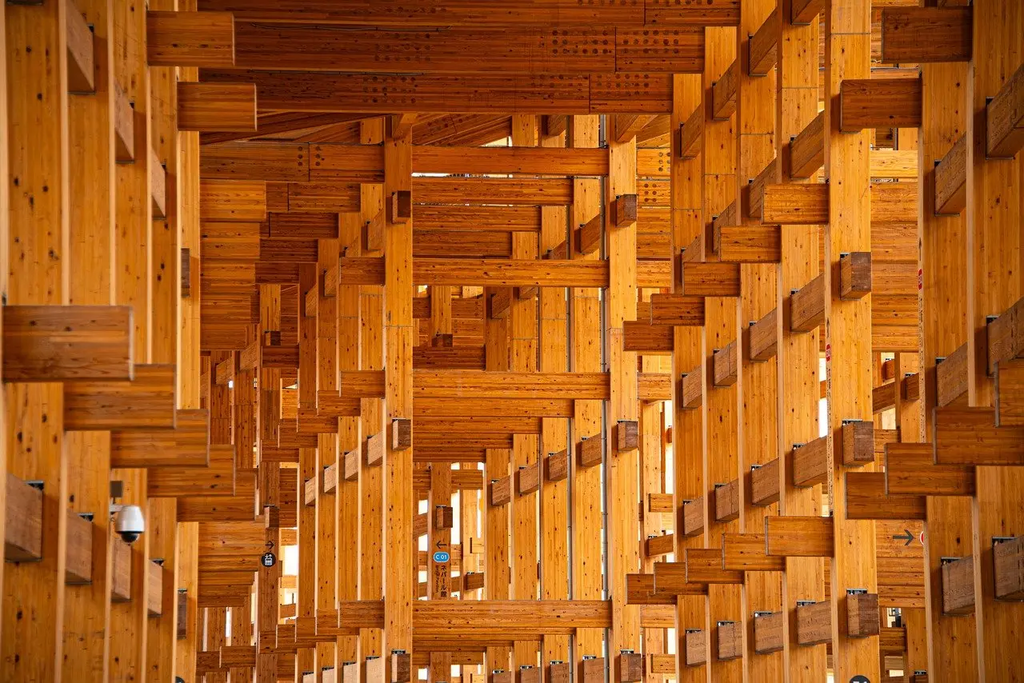
Mass timber and hybrid structural systems refer to innovative construction methods that utilize engineered wood products, such as cross-laminated timber, in combination with materials like steel or concrete. These systems offer sustainable alternatives to traditional construction, reducing carbon footprints while providing strength and flexibility. In construction design projects, they enable efficient prefabrication, rapid assembly, and unique architectural possibilities, balancing environmental responsibility with structural performance and aesthetic appeal.
Mass Timber and Hybrid Structural Systems
Mass timber and hybrid structural systems refer to innovative construction methods that utilize engineered wood products, such as cross-laminated timber, in combination with materials like steel or concrete. These systems offer sustainable alternatives to traditional construction, reducing carbon footprints while providing strength and flexibility. In construction design projects, they enable efficient prefabrication, rapid assembly, and unique architectural possibilities, balancing environmental responsibility with structural performance and aesthetic appeal.
💡 Key Takeaways
- Define mass timber and name common products (glulam, CLT, NLT) and how they differ from traditional wood framing.
- Describe what a hybrid structural system is and typical configurations that pair wood with steel or concrete.
- Understand key design and safety considerations for mass timber (fire resistance, durability, connections, and code approvals).
- Assess the sustainability benefits and practical limitations of mass timber (environmental impact, sourcing, cost, moisture sensitivity).
❓ Frequently Asked Questions
What is mass timber and what products are included?
Mass timber uses engineered wood products such as CLT, glulam, LVL, and NLT designed for structural use in floors, walls, and roofs.
What is a hybrid structural system in timber construction?
A hybrid system combines timber with concrete or steel to leverage the strengths of each material, often using timber for primary framing while concrete/steel enhances fire resistance, stiffness, or diaphragm action.
What are the main benefits of mass timber and hybrid systems?
Lower embodied carbon, lighter weight, faster on-site assembly, good thermal performance, and the ability to achieve long spans with attractive interiors.
What are key design and construction considerations?
Ensure code compliance, plan fire safety strategies, manage moisture and durability, specify robust connections, and account for fabrication lead times and supply chain.