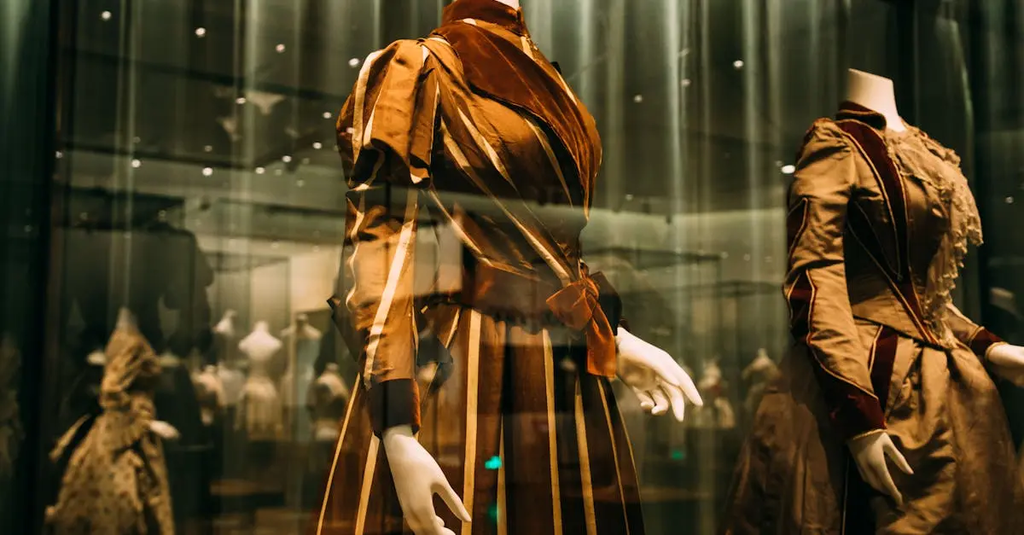
The material culture of British dress refers to the physical objects, fabrics, garments, and accessories associated with clothing traditions in Britain. It encompasses the production, design, and use of textiles, as well as the social meanings attached to attire across different historical periods. This culture reflects class distinctions, regional identities, and evolving fashion trends, providing insight into British society, technological advancements, and cultural exchanges through the tangible artifacts of dress.
Material culture of British dress
The material culture of British dress refers to the physical objects, fabrics, garments, and accessories associated with clothing traditions in Britain. It encompasses the production, design, and use of textiles, as well as the social meanings attached to attire across different historical periods. This culture reflects class distinctions, regional identities, and evolving fashion trends, providing insight into British society, technological advancements, and cultural exchanges through the tangible artifacts of dress.
💡 Key Takeaways
- Identify core textiles and garments that define British dress across major historical periods (e.g., wool, tweed, silk, cotton).
- Explain how material choices and styles signalled social class, gender, region, and identity in Britain.
- Describe how production, tailoring, and fashion hubs like Savile Row and textile mills shaped British attire.
- Discuss how uniforms, court dress, and ceremonial clothing reflected Britain's social and political structures.
- Trace how global trade, empire, and dyes influenced British textiles and dress traditions.
❓ Frequently Asked Questions
What is meant by material culture in the context of British dress?
It refers to the tangible objects (fabrics, garments, accessories) and the production, design, and social meanings attached to clothing in Britain.
Which textiles are central to Britain's dress history?
Key fabrics include wool (worsted, tweed), cotton, linen, silk, and blends; wool and tweed have especially shaped British dress.
How have social meanings influenced British dress across historical periods?
Dress signified class, gender, and status; laws and trends defined what was acceptable, with changing silhouettes reflecting era-specific values.
How did industrialization affect the production and design of British dress?
Industrialization transformed textile manufacture and fashion, increasing variety and affordability and enabling mass-produced garments and new designs.