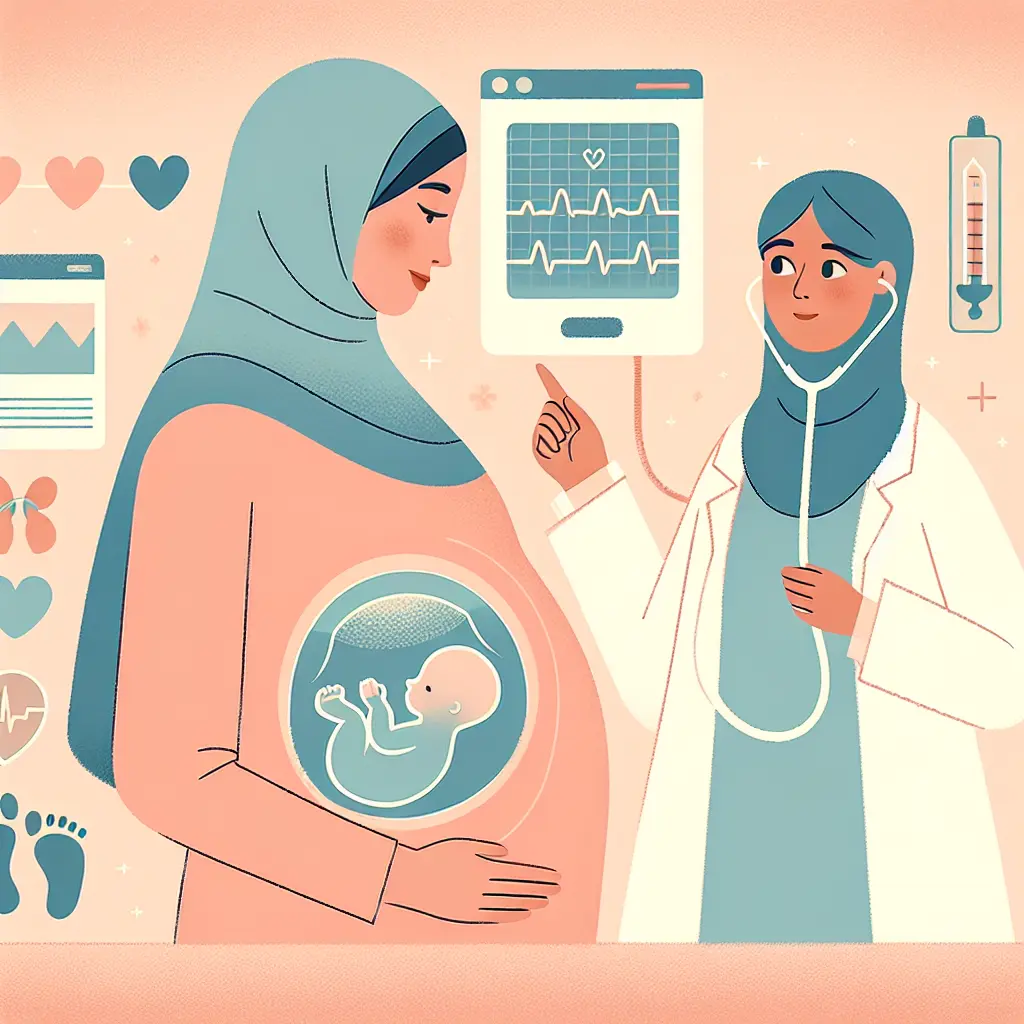
Maternal & Fetal Medicine Basics focuses on the health and management of pregnant women and their unborn babies. It covers prenatal care, screening for complications, monitoring fetal development, and managing high-risk pregnancies. Specialists in this field address conditions like preeclampsia, gestational diabetes, and fetal anomalies, aiming to ensure the best possible outcomes for both mother and child through advanced diagnostics, interventions, and multidisciplinary care.
Maternal & Fetal Medicine Basics
Maternal & Fetal Medicine Basics focuses on the health and management of pregnant women and their unborn babies. It covers prenatal care, screening for complications, monitoring fetal development, and managing high-risk pregnancies. Specialists in this field address conditions like preeclampsia, gestational diabetes, and fetal anomalies, aiming to ensure the best possible outcomes for both mother and child through advanced diagnostics, interventions, and multidisciplinary care.
💡 Key Takeaways
- Understand the goals of prenatal care and how they support maternal and fetal health.
- Learn common prenatal screening tests and the typical timing for monitoring fetal development.
- Recognize high-risk pregnancy conditions (e.g., preeclampsia, gestational diabetes) and common management approaches.
- Describe how fetal growth and well-being are assessed throughout pregnancy and when interventions are indicated.
❓ Frequently Asked Questions
What is maternal-fetal medicine and who practices it?
Maternal-fetal medicine is a subspecialty of obstetrics that focuses on the health of pregnant people and their unborn babies, especially high‑risk pregnancies. It is practiced by maternal-fetal medicine specialists (perinatologists).
What does prenatal care involve?
Prenatal care includes regular visits to monitor mother and baby, check blood pressure and weight, test urine, monitor fetal growth, perform ultrasound scans, provide vaccines, and give guidance on nutrition, activity, and warning signs.
What makes a pregnancy high risk?
A pregnancy is considered high risk due to factors like maternal health conditions (e.g., diabetes or hypertension), advanced or very young maternal age, multiple pregancies, prior pregnancy complications, or fetal concerns such as growth issues.
What are common screening tests in pregnancy?
Common tests include ultrasound scans, noninvasive prenatal testing (NIPT) for genetic conditions, glucose screening for gestational diabetes, blood tests, and additional fetal assessments as needed.
What is preeclampsia and why is it important?
Preeclampsia is a pregnancy complication marked by high blood pressure and organ signs after 20 weeks. It can affect mother and baby, so early detection and management are crucial.