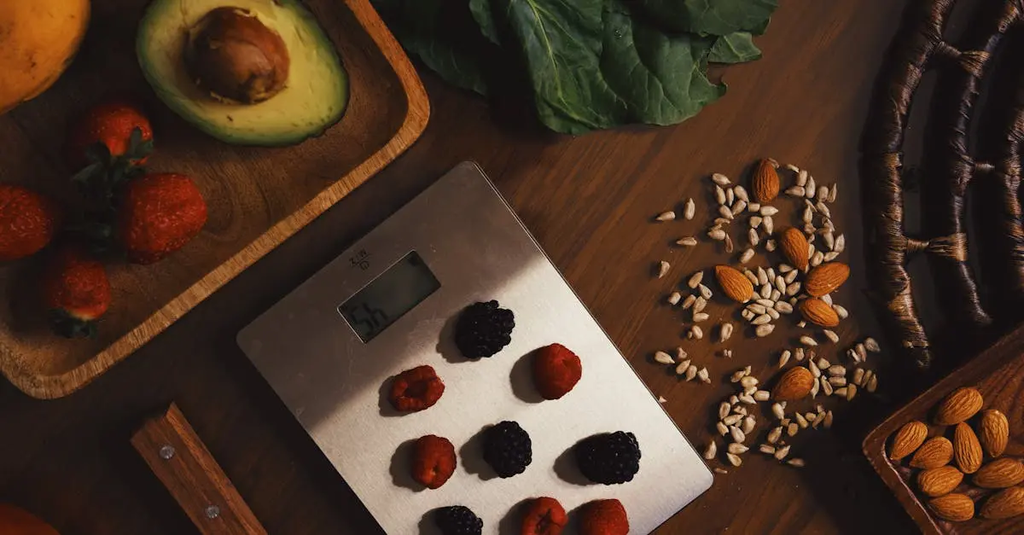
Math fluency through games, number talks, and routines involves engaging children in interactive activities that build their understanding of numbers and mathematical concepts. Games make learning fun and encourage problem-solving, while number talks foster communication and reasoning about math. Daily routines, such as counting objects or measuring ingredients, integrate math into everyday life, supporting cognitive development and helping children ages 0–10 develop confidence and flexibility with numbers.
Math fluency through games, number talks, and routines
Math fluency through games, number talks, and routines involves engaging children in interactive activities that build their understanding of numbers and mathematical concepts. Games make learning fun and encourage problem-solving, while number talks foster communication and reasoning about math. Daily routines, such as counting objects or measuring ingredients, integrate math into everyday life, supporting cognitive development and helping children ages 0–10 develop confidence and flexibility with numbers.
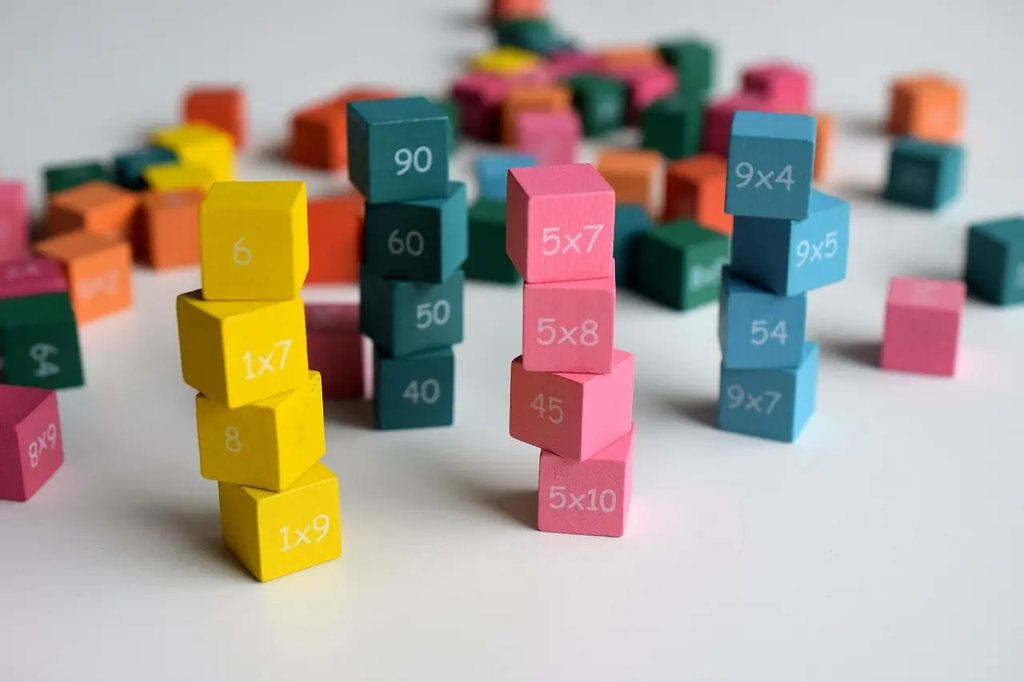
💡 Key Takeaways
- Build mental math fluency through engaging games and short, purposeful routines.
- Use number talks to develop flexible thinking, estimation, and number sense.
- Establish routines that promote regular, low-stakes math practice and productive classroom discourse.
- Align games and talks with targeted fluency goals and differentiate for diverse learners.
❓ Frequently Asked Questions
What is math fluency?
Math fluency is the ability to recall basic math facts quickly and accurately and to apply strategies flexibly. It blends fast recall with conceptual understanding and strategic problem solving.
What are 'games' in this context and how do they help?
Games are short, purposeful activities that practice facts, strategies, and reasoning. They provide varied practice, immediate feedback, and keep students engaged while building fluency.
What is a Number Talk?
A Number Talk is a classroom routine where students mentally solve a problem and share different strategies. It builds number sense, flexible thinking, and mathematical communication.
What are 'routines' and why are they useful?
Routines are brief, regular activities (like warm-ups, timed drills, or exit tickets) that prime thinking and reinforce fluency through consistent practice and reflection.