May Day traditions, celebrated on May 1st, mark the arrival of spring in many cultures. Festivities often include dancing around the maypole, crowning a May Queen, and decorating with flowers to symbolize renewal and fertility. Communities gather for parades, music, and games, while children create and deliver flower baskets. Rooted in ancient pagan customs, May Day blends joyful communal activities with the celebration of nature’s rebirth and the promise of warmer days ahead.
May Day Traditions
May Day traditions, celebrated on May 1st, mark the arrival of spring in many cultures. Festivities often include dancing around the maypole, crowning a May Queen, and decorating with flowers to symbolize renewal and fertility. Communities gather for parades, music, and games, while children create and deliver flower baskets. Rooted in ancient pagan customs, May Day blends joyful communal activities with the celebration of nature’s rebirth and the promise of warmer days ahead.
💡 Key Takeaways
- Trace the origins of May Day as a spring festival with European folklore and ancient traditions.
- Identify common May Day traditions, such as maypole dancing, flower garlands, and May baskets.
- Explain the International Workers' Day connection and how May 1 is observed as a workers' holiday in many countries.
- Compare May Day celebrations across different regions and cultures.
- Describe how modern May Day celebrations blend folk customs with community and festival activities.
❓ Frequently Asked Questions
What is May Day and when is it celebrated?
May Day is a traditional spring festival celebrated on May 1st in many countries. In some places it is also International Workers' Day, focusing on labor rights and workers' solidarity.
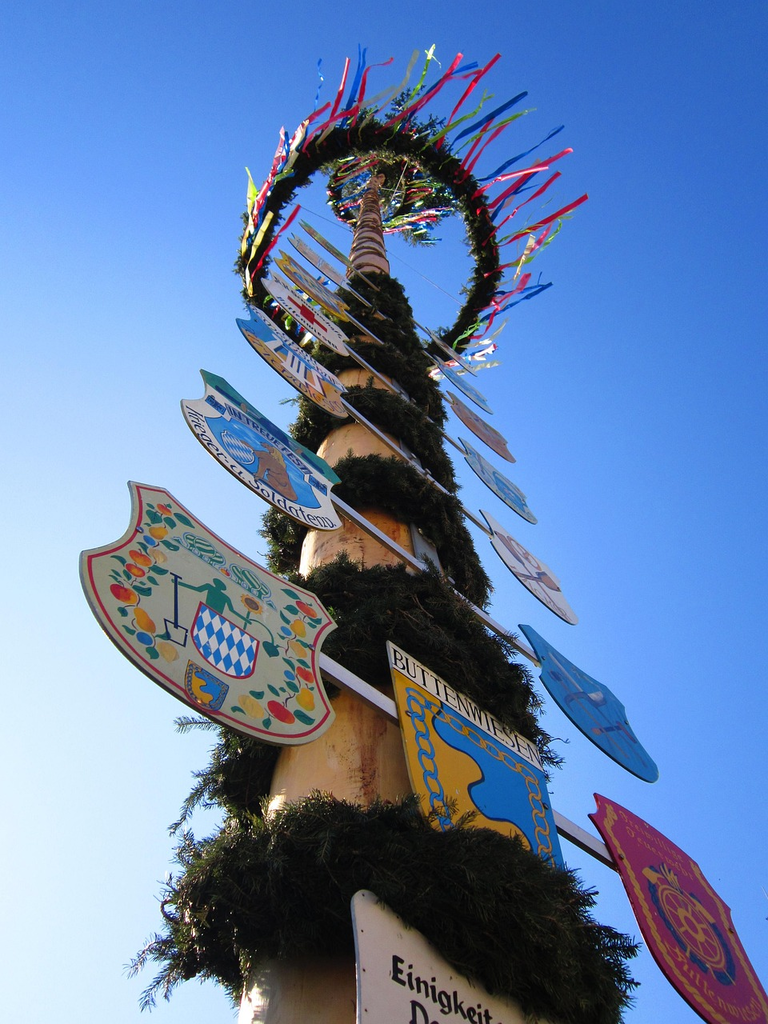
What is a Maypole and why do people dance around it?
A Maypole is a tall, decorated pole used in spring dances; dancers weave ribbons around the pole to create patterns, symbolizing community, fertility, and the arrival of summer.
Who is the May Queen and what does she do?
In many celebrations a May Queen is crowned to represent spring beauty and renewal; she often leads the May Day processions and dances.
What are May baskets or flower traditions?
May baskets are small arrangements of flowers or treats left on neighbors' doors or given as gifts; flower crowns and garlands are also common in May Day celebrations.