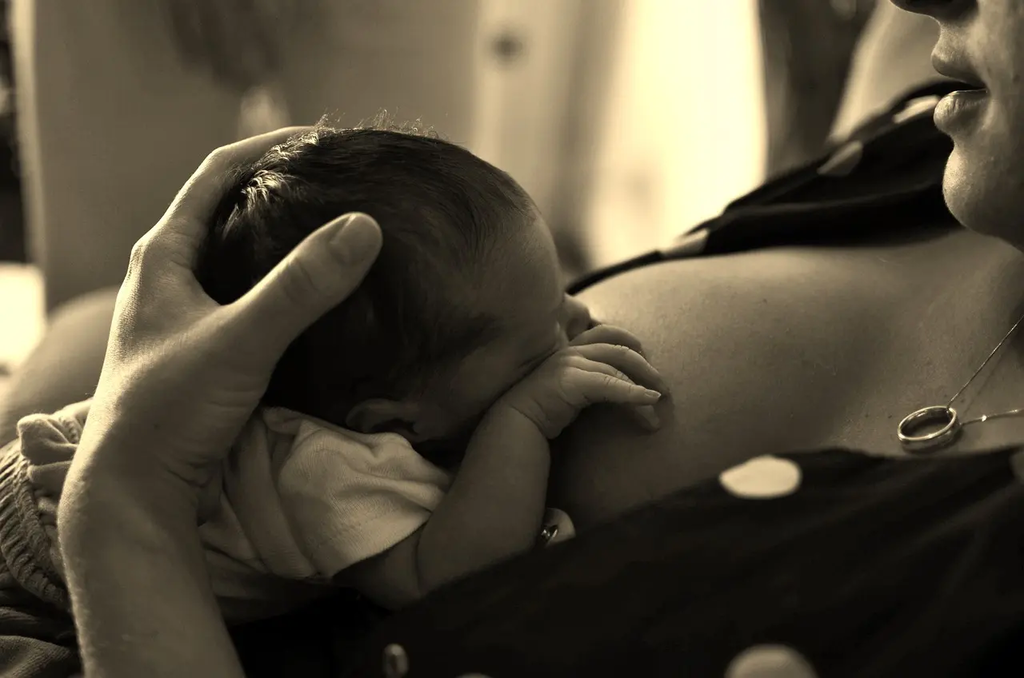
Media literacy and body image resilience involve teaching children to critically evaluate media messages about appearance and nutrition, helping them develop a healthy self-image. In the context of child nutrition and night weaning, fostering these skills supports children and parents in making informed choices, resisting unrealistic body standards, and promoting positive eating habits. This approach encourages confidence and well-being during important developmental milestones.
Media literacy and body image resilience
Media literacy and body image resilience involve teaching children to critically evaluate media messages about appearance and nutrition, helping them develop a healthy self-image. In the context of child nutrition and night weaning, fostering these skills supports children and parents in making informed choices, resisting unrealistic body standards, and promoting positive eating habits. This approach encourages confidence and well-being during important developmental milestones.
💡 Key Takeaways
- Understand how media representations influence body image and self-esteem.
- Identify common tactics (filters, edits, idealized bodies) used in media messages.
- Apply critical thinking to evaluate media content and its impact on mood and behavior.
- Develop practical strategies to build body image resilience, such as diverse role models and mindful media use.
❓ Frequently Asked Questions
What is media literacy in relation to body image?
Media literacy is the ability to analyze and critique media messages about appearance, recognize manipulation (like editing and filters), and understand how images influence thoughts and feelings about bodies.
What does body image resilience mean?
Body image resilience is the ability to maintain or regain a positive or balanced view of your body after exposure to unrealistic standards or negative messages, using coping strategies and self-compassion.
How can I improve my media literacy to protect my body image?
Question messages, check sources, notice editing and lighting tricks, compare with diverse real bodies, and discuss media with others to gain perspective.
What practical steps can help me stay resilient when online content promotes unhealthy body standards?
Curate your feed by unfollowing toxic accounts, follow body-positive or diverse creators, set digital boundaries, and practice positive self-talk or journaling after exposure.