Media, press, and political communication refer to the interconnected processes through which information, news, and political messages are created, disseminated, and interpreted by the public. The media and press serve as channels for reporting events and shaping public opinion, while political communication involves strategies used by politicians, governments, and organizations to influence, inform, and engage audiences. Together, they play a crucial role in democratic societies by facilitating informed decision-making and public discourse.
Media, Press, and Political Communication
Media, press, and political communication refer to the interconnected processes through which information, news, and political messages are created, disseminated, and interpreted by the public. The media and press serve as channels for reporting events and shaping public opinion, while political communication involves strategies used by politicians, governments, and organizations to influence, inform, and engage audiences. Together, they play a crucial role in democratic societies by facilitating informed decision-making and public discourse.
💡 Key Takeaways
- Understand how media shapes political narratives and public opinion
- Learn key concepts in political communication such as framing, agenda-setting, and priming
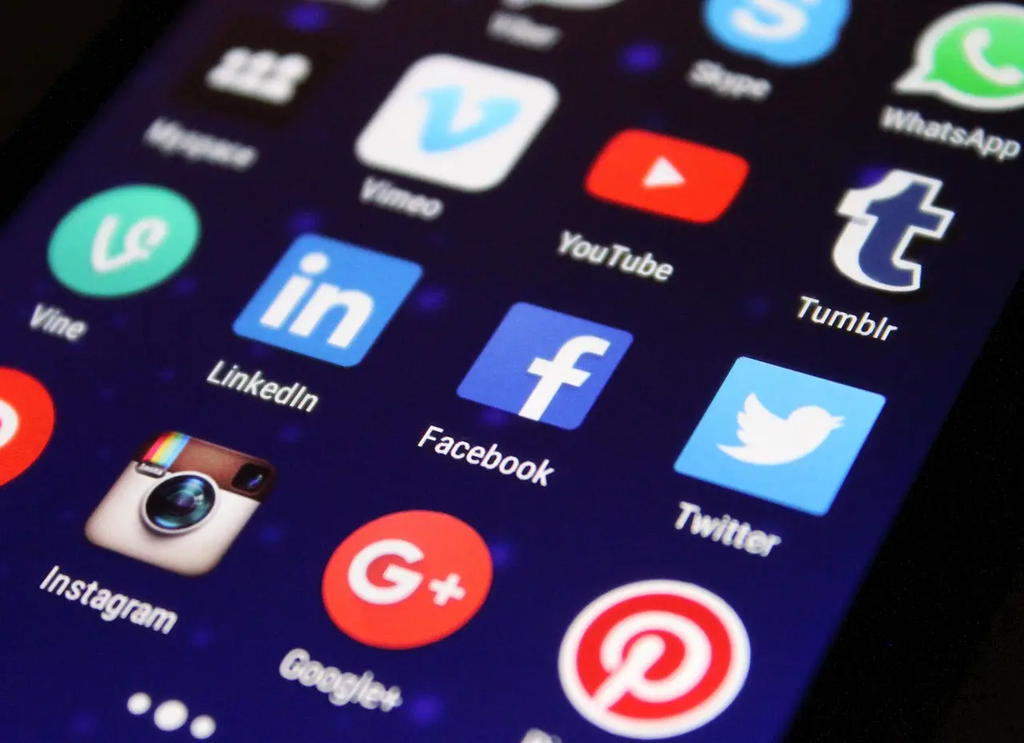
- Compare traditional press roles with digital and social media in politics
- Recognize ethical considerations, media bias, and the importance of fact-checking in political reporting
❓ Frequently Asked Questions
What is political communication?
The study and practice of how political messages are created, transmitted, and received, including campaigns, policy debates, and how publics respond.
What is agenda-setting in the media?
A process by which media coverage shapes which issues people consider important, influencing public priorities rather than individual opinions.
What is framing in media?
Presenting a topic in a particular way—through angles, words, or visuals—to influence how audiences interpret it.
What is the role of the press in a democracy?
To inform the public, monitor power, provide diverse perspectives, and hold leaders and institutions accountable.