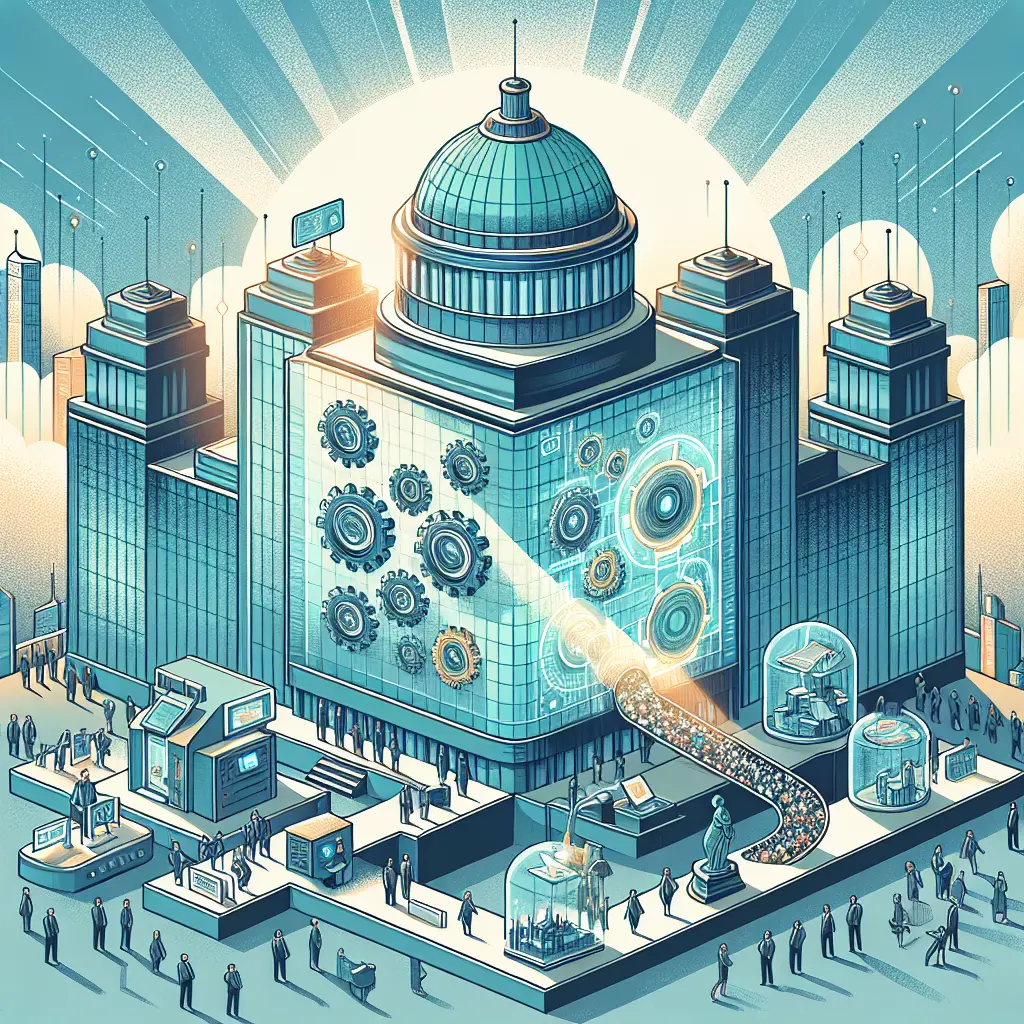
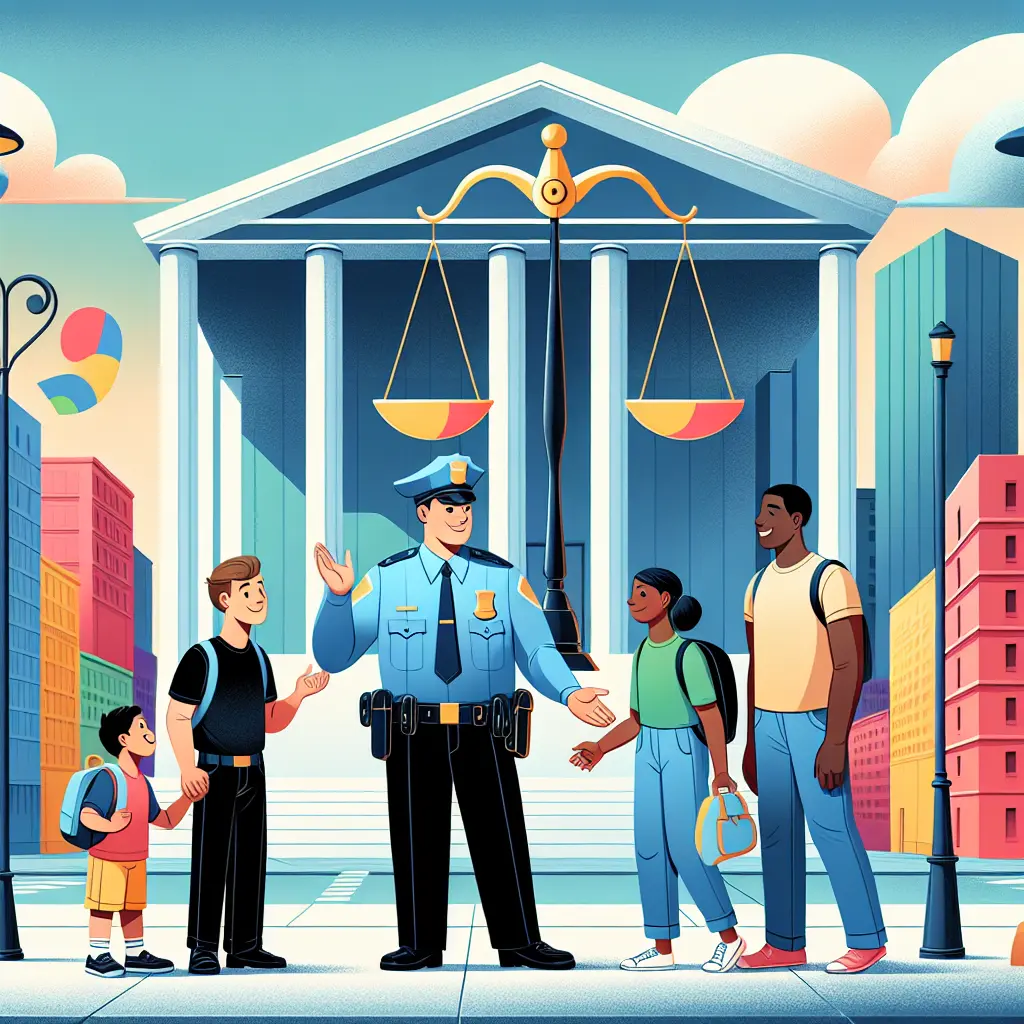
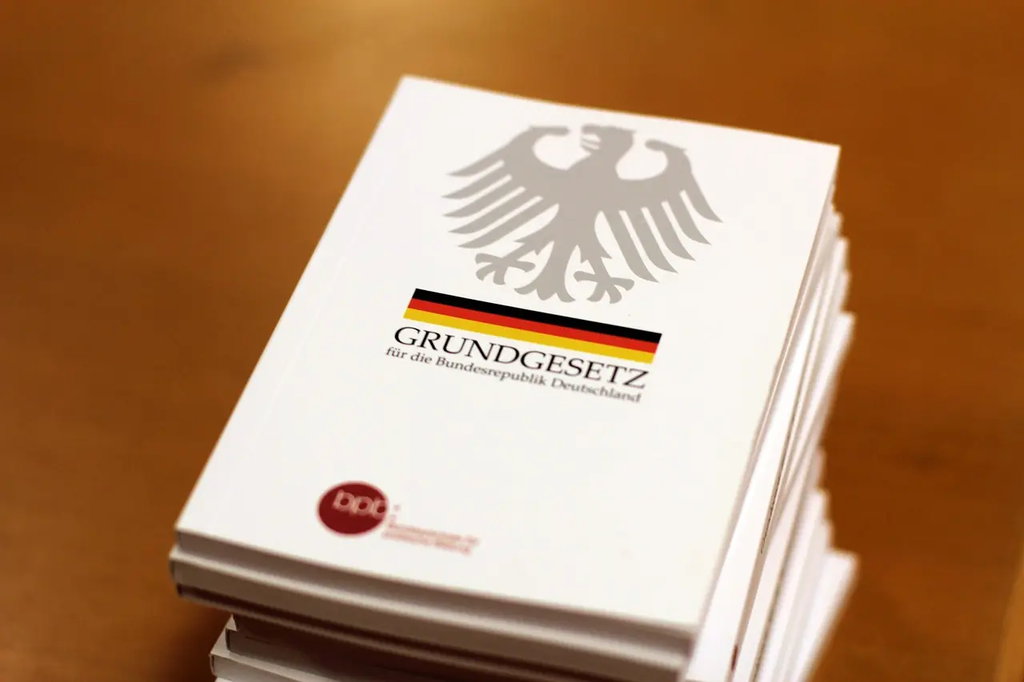
"Media, Speech, and Democratic Discourse" refers to the interconnected roles of mass communication, individual and collective expression, and public debate in a democracy. Media disseminates information and shapes narratives, while free speech allows citizens to voice opinions and challenge authority. Together, they foster informed public discussion, enable accountability, and support the healthy functioning of democratic institutions by ensuring diverse viewpoints are heard and considered in the decision-making process.
Media, Speech, and Democratic Discourse
"Media, Speech, and Democratic Discourse" refers to the interconnected roles of mass communication, individual and collective expression, and public debate in a democracy. Media disseminates information and shapes narratives, while free speech allows citizens to voice opinions and challenge authority. Together, they foster informed public discussion, enable accountability, and support the healthy functioning of democratic institutions by ensuring diverse viewpoints are heard and considered in the decision-making process.
💡 Key Takeaways
- Describe how media channels disseminate information and shape public narratives in a democracy.
- Explain the role of free speech in enabling individual and collective expression and accountability of power.
- Summarize key legal protections and limits on expression (e.g., censorship, defamation, incitement) and how they balance rights with public safety.
- Explain journalism’s watchdog function and its impact on public debate and policy making.
- Identify challenges to democratic discourse, including misinformation, media consolidation, and ways to critically evaluate sources.
❓ Frequently Asked Questions
What is democratic discourse?
The ongoing exchange of ideas, criticisms, and arguments among citizens, media, and institutions that informs policy, accountability, and the legitimacy of government in a democracy.
What role does the media play in democracy?
Media gather and report information, investigate power, frame issues, and provide platforms for public debate, helping people make informed choices and hold leaders to account.
What is freedom of speech and what are its limits?
Freedom of speech protects the right to express opinions without government censorship, but many systems set limits to prevent harm, such as incitement, threats, defamation, or hate speech.
How can media influence public discourse and democratic decision-making?
By deciding which issues get covered, how they are framed, and which voices are amplified, media can shape priorities, agendas, and the level of civic participation.