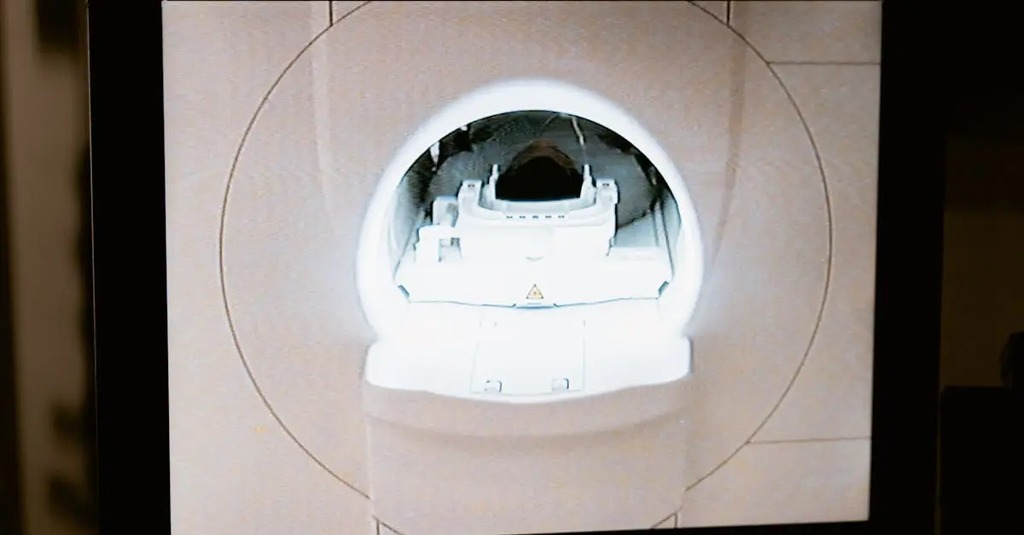
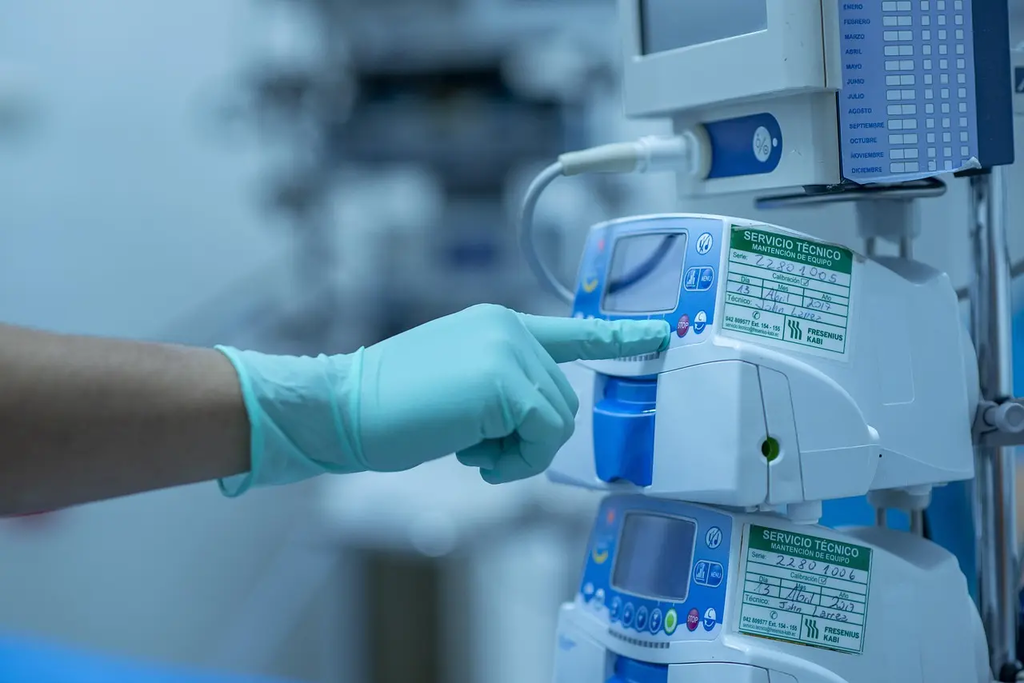
Medical Device Development & Clinical Affairs involves designing, testing, and bringing new medical technologies to market while ensuring safety and regulatory compliance. Professionals in this field collaborate with engineers, clinicians, and regulatory bodies to conduct clinical trials, collect data, and submit documentation for approvals. This career path is vital in advancing healthcare by introducing innovative diagnostic and therapeutic devices, improving patient outcomes, and maintaining high standards of quality and efficacy within the medical industry.
Medical Device Development & Clinical Affairs
Medical Device Development & Clinical Affairs involves designing, testing, and bringing new medical technologies to market while ensuring safety and regulatory compliance. Professionals in this field collaborate with engineers, clinicians, and regulatory bodies to conduct clinical trials, collect data, and submit documentation for approvals. This career path is vital in advancing healthcare by introducing innovative diagnostic and therapeutic devices, improving patient outcomes, and maintaining high standards of quality and efficacy within the medical industry.

💡 Key Takeaways
- Understand the stages of medical device development from concept through commercialization.
- Explain common regulatory pathways for medical devices (FDA clearance/approval, CE marking) and required documentation.
- Describe the role of clinical affairs in device development, including trial design, data collection, and safety monitoring.
- Apply risk management and quality systems (ISO 14971, ISO 13485) to design, manufacturing, and post-market processes.
- Plan for post-market surveillance and lifecycle management, including recalls, reporting, and ongoing improvements.
❓ Frequently Asked Questions
What is medical device development?
The end-to-end process of turning an idea into a safe and effective medical device, covering concept, design, testing, risk management, regulatory clearance, manufacturing, and post-market support.
What are the key stages of the medical device development lifecycle?
Feasibility and design concept; design and development; verification and validation; risk management and regulatory planning; regulatory submission/approval; manufacturing; and post-market surveillance.
What is clinical affairs in medical devices?
A function that plans and conducts clinical investigations and evidence programs, supports regulatory submissions, and liaises with regulators and ethics boards to demonstrate safety and effectiveness.
What is Design Control and why is it important?
A formal, documented process to ensure the device meets user needs and regulatory requirements, including design inputs, design outputs, verification, validation, risk management, design reviews, and traceability.