Medicine and medical technology encompass the science and tools used to diagnose, treat, and prevent diseases in humans. Medicine involves healthcare practices and pharmaceutical interventions, while medical technology refers to innovations such as diagnostic equipment, surgical instruments, and digital health solutions. Together, they improve patient outcomes, enable early disease detection, and enhance the efficiency and accuracy of healthcare delivery, significantly contributing to longer and healthier lives.
Medicine & Medical Technology+50
Medicine and medical technology encompass the science and tools used to diagnose, treat, and prevent diseases in humans. Medicine involves healthcare practices and pharmaceutical interventions, while medical technology refers to innovations such as diagnostic equipment, surgical instruments, and digital health solutions. Together, they improve patient outcomes, enable early disease detection, and enhance the efficiency and accuracy of healthcare delivery, significantly contributing to longer and healthier lives.
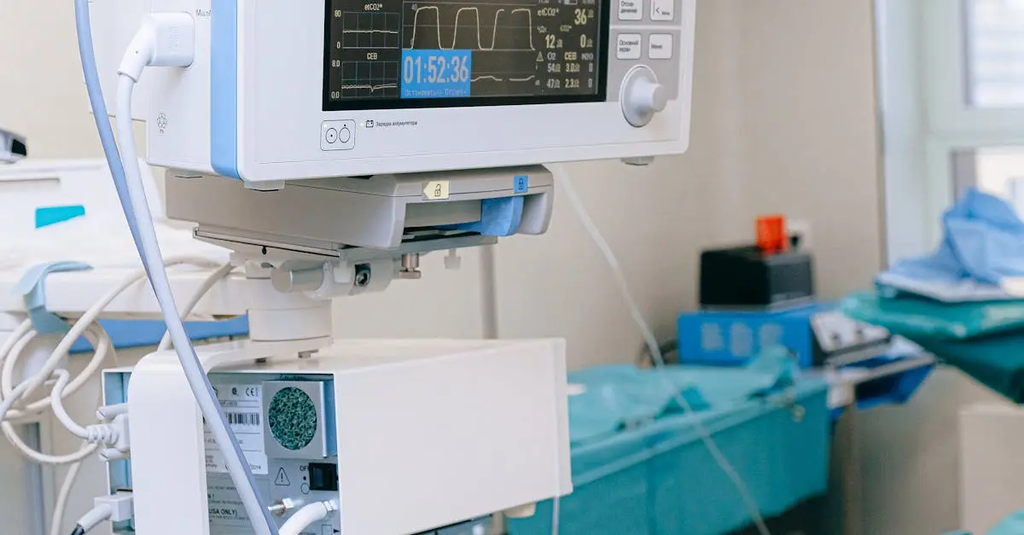
💡 Key Takeaways
- Differentiate between medicine (clinical practice and pharmaceuticals) and medical technology (diagnostic tools, surgical instruments, and digital health solutions).
- Explain how diagnostic equipment and tests support disease detection, monitoring, and informed decision‑making.
- Describe how treatments—from medications to surgical interventions—are chosen to diagnose, treat, and prevent disease.
- Recognize how medical technology innovations improve patient outcomes, safety, and access to care.
❓ Frequently Asked Questions
What is medicine?
Medicine is the science and practice of diagnosing, treating, and preventing disease in people, using therapies such as medications, procedures, and lifestyle guidance.
What is medical technology?
Medical technology includes the devices and tools used in healthcare—diagnostic equipment, surgical instruments, implants, and digital health tools that support diagnosis, treatment, and monitoring.
What are common diagnostic tools in medicine?
Common diagnostic tools include imaging (X-ray, CT, MRI), ultrasound, and monitoring tests (ECG, lab analyzers) that help identify health conditions.
What is evidence-based medicine?
Evidence-based medicine uses current, high-quality clinical evidence to guide decisions, weighing benefits and risks for each patient.
What is preventive medicine?
Preventive medicine focuses on keeping people healthy and preventing disease through vaccination, screening, risk assessment, and lifestyle interventions.