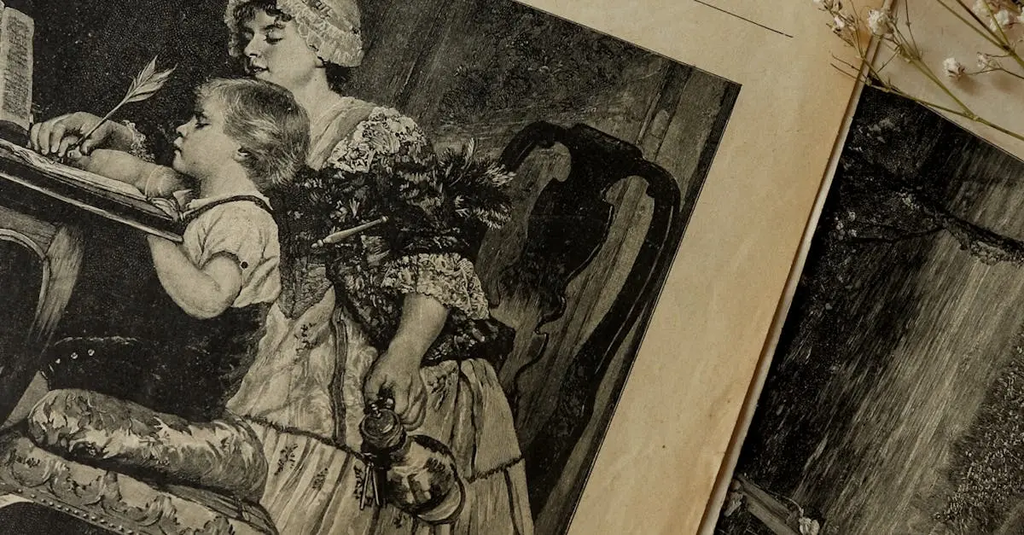
Medieval manuscripts are handwritten books produced during the Middle Ages, often created by monks in monasteries. Illumination refers to the artistic decoration of these manuscripts, featuring intricate initials, borders, and miniature illustrations, frequently highlighted with gold or silver leaf. This art form reflects religious, cultural, and historical themes, showcasing the craftsmanship and creativity of medieval artists. Illuminated manuscripts are significant for their beauty and as primary sources for understanding medieval society and art movements.
Medieval Manuscripts & Illumination
Medieval manuscripts are handwritten books produced during the Middle Ages, often created by monks in monasteries. Illumination refers to the artistic decoration of these manuscripts, featuring intricate initials, borders, and miniature illustrations, frequently highlighted with gold or silver leaf. This art form reflects religious, cultural, and historical themes, showcasing the craftsmanship and creativity of medieval artists. Illuminated manuscripts are significant for their beauty and as primary sources for understanding medieval society and art movements.
💡 Key Takeaways
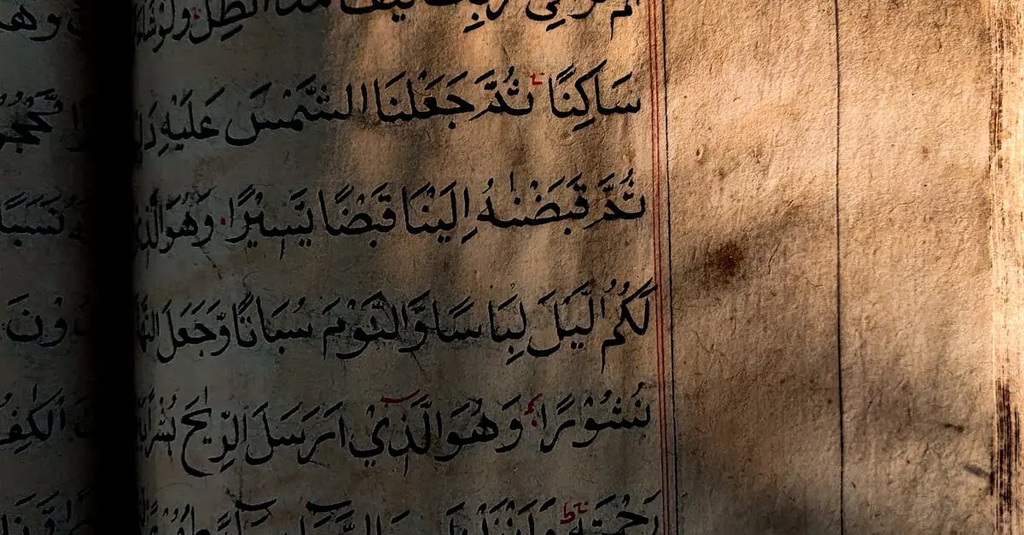
- Key materials and techniques: parchment/vellum, inks, pigments, and gold leaf.
- How medieval manuscripts were made in scriptoria (from preparation to illumination).
- Common illumination features: initials, borders, and miniatures, and their meanings.
- How paleography and codicology help date, locate, and interpret manuscripts.
❓ Frequently Asked Questions
What is a medieval manuscript?
A hand-written book produced in the Middle Ages before printing, typically on parchment or vellum and copied by scribes in scripts such as Carolingian minuscule or Gothic.
What does 'illumination' mean in this context?
Decorative painting and the use of gold leaf to decorate pages—initials, borders, and miniature scenes that accompany the text.
What materials were used to make these manuscripts?
Pages were made of parchment or vellum; inks (iron gall or carbon); pigments from minerals and plants; gold leaf for gilding; and binders like egg tempera.
What are common features to look for in illuminated manuscripts?
Decorated initials, miniature paintings, decorative borders (marginalia), and use of gold or bright pigments alongside distinctive scripts.