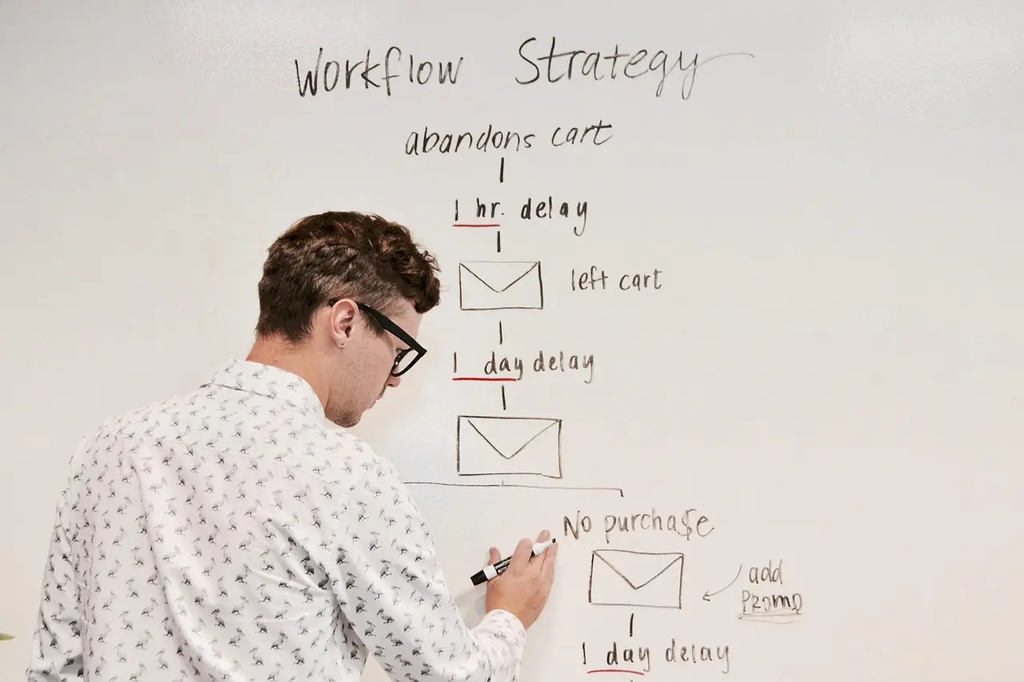
Meeting facilitation skills refer to the abilities required to guide and manage group discussions effectively. These skills include setting clear agendas, encouraging participation, managing time, resolving conflicts, and keeping discussions focused on objectives. A skilled facilitator ensures all voices are heard, decisions are made efficiently, and outcomes are documented. Strong facilitation fosters collaboration, increases productivity, and helps teams achieve their goals during meetings.
Meeting Facilitation Skills
Meeting facilitation skills refer to the abilities required to guide and manage group discussions effectively. These skills include setting clear agendas, encouraging participation, managing time, resolving conflicts, and keeping discussions focused on objectives. A skilled facilitator ensures all voices are heard, decisions are made efficiently, and outcomes are documented. Strong facilitation fosters collaboration, increases productivity, and helps teams achieve their goals during meetings.

💡 Key Takeaways
- Understand how to create clear agendas with defined objectives and outcomes.
- Learn strategies to encourage participation from all attendees and manage group dynamics.
- Master time management techniques to keep meetings on track and prevent scope creep.
- Apply conflict-resolution and facilitation methods to keep discussions constructive.
- Close meetings effectively by documenting decisions, action items, and follow-up responsibilities.
❓ Frequently Asked Questions
What is meeting facilitation?
Meeting facilitation is the practice of guiding a group through a structured discussion to achieve shared objectives, by organizing the flow, encouraging participation, and keeping conversations productive.
Why is setting a clear agenda important in meetings?
A clear agenda outlines topics, goals, and time allocations, helping participants prepare, stay on track, and ensure the meeting delivers decisions or results.
How can a facilitator encourage participation from all attendees?
Use inclusive prompts, ask open questions, invite quieter members to speak, and balance speaking time with structured turn-taking.
What strategies help manage time during a meeting?
Time-box each item, use a timer, monitor discussion pace, redirect off-topic conversations, and schedule follow-ups for unresolved items.
How can conflicts be resolved in a facilitated meeting?
Acknowledge differing views, set ground rules for respectful dialogue, summarize positions, facilitate a constructive discussion, and define clear next steps.