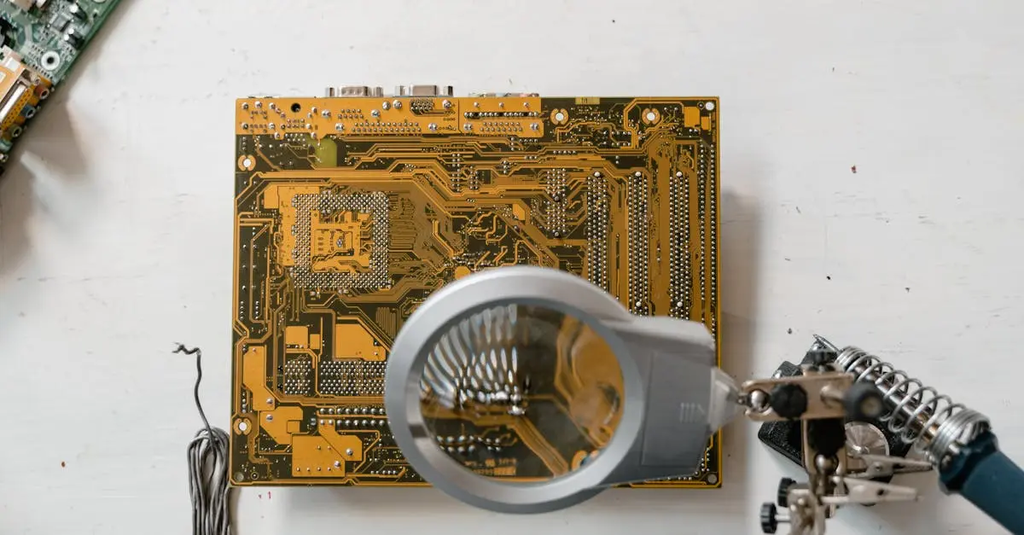
Memory classification in digital electronics and computing refers to the distinction between volatile and non-volatile memory. Volatile memory, such as RAM, requires power to retain data and loses all information when power is off. Non-volatile memory, like ROM, flash, or hard drives, preserves data even when power is removed. This classification is crucial for determining storage roles, data retention, and system performance in digital devices.
Memory Classification: Volatile vs Non-Volatile
Memory classification in digital electronics and computing refers to the distinction between volatile and non-volatile memory. Volatile memory, such as RAM, requires power to retain data and loses all information when power is off. Non-volatile memory, like ROM, flash, or hard drives, preserves data even when power is removed. This classification is crucial for determining storage roles, data retention, and system performance in digital devices.

💡 Key Takeaways
- Explain the difference between volatile memory (data lost when power is off) and non-volatile memory (data retained without power).
- Identify common examples of volatile memory (RAM, CPU cache) and non-volatile memory (ROM, flash, SSDs).
- Explain why non-volatile memory is used for persistent storage while volatile memory is used for active processing tasks.
- Describe the key trade-offs between memory types, including speed, power usage, endurance, and cost.
❓ Frequently Asked Questions
What is volatile memory?
Volatile memory requires power to retain data and loses its contents when the power is removed. It is fast and used for active data and program execution.
What is non-volatile memory?
Non-volatile memory preserves data without power, retaining information after shutdown. It is used for long-term storage and firmware.
What are common examples of volatile and non-volatile memory?
Volatile: DRAM and SRAM (RAM). Non-volatile: flash memory, ROM, EEPROM, hard drives and solid-state drives (HDDs/SSDs).
How do volatile and non-volatile memory differ in use?
Volatile memory stores data needed immediately during operation; non-volatile memory stores data and programs that must persist after power is off.