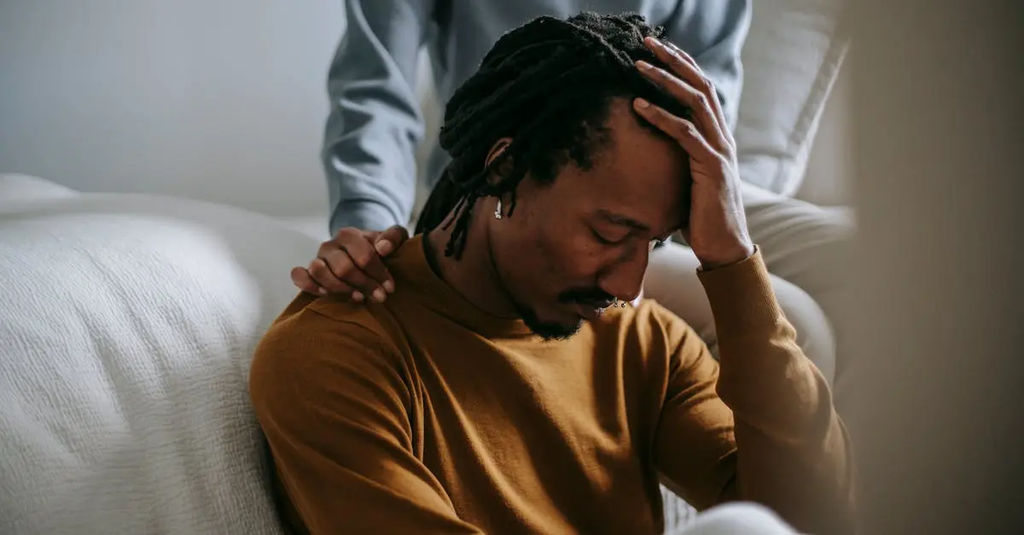
Men’s and women’s mental health differences refer to the distinct ways mental health conditions manifest, are experienced, and are treated across genders. Biological factors like hormones, as well as societal expectations, contribute to these differences. For example, women are more likely to experience depression and anxiety, while men have higher rates of substance abuse and suicide. Understanding these differences helps tailor effective prevention, diagnosis, and treatment strategies for both sexes.
Men’s & Women’s Mental Health Differences
Men’s and women’s mental health differences refer to the distinct ways mental health conditions manifest, are experienced, and are treated across genders. Biological factors like hormones, as well as societal expectations, contribute to these differences. For example, women are more likely to experience depression and anxiety, while men have higher rates of substance abuse and suicide. Understanding these differences helps tailor effective prevention, diagnosis, and treatment strategies for both sexes.

💡 Key Takeaways
- Understand how hormonal differences can influence mental health risk, symptom expression, and recovery in men and women.
- Recognize gender-specific patterns in conditions such as depression, anxiety, and suicidality, and how they may present differently.
- Explore how social expectations, gender norms, and stigma shape help-seeking, access to care, and treatment adherence.
- Identify risk and protective factors that differently affect resilience and coping in men vs. women.
- Learn how to apply gender-responsive assessment and intervention approaches to support mental health across genders.
❓ Frequently Asked Questions
What do Men’s & Women’s Mental Health Differences mean?
They refer to the ways mental health conditions can manifest, be experienced, and be treated differently across genders, shaped by biology (hormones) and social factors.
What biological factors contribute to these differences?
Hormones and brain chemistry, along with development changes and genetic factors, can influence how symptoms appear and how conditions respond to treatment.
How do societal expectations influence men's vs women's mental health?
Gender norms can affect when and how people seek help, report symptoms, and cope, leading to differences in diagnosis, treatment, and support.
Are some mental health conditions more common in one gender?
Some disorders are diagnosed more often in women (e.g., depression and anxiety) and others in men (e.g., certain substance use disorders), but there is overlap and individual variation.
What supports resilience across genders?
Early recognition of symptoms, access to appropriate care, coping skills, social support, and reduced stigma help build resilience for everyone.