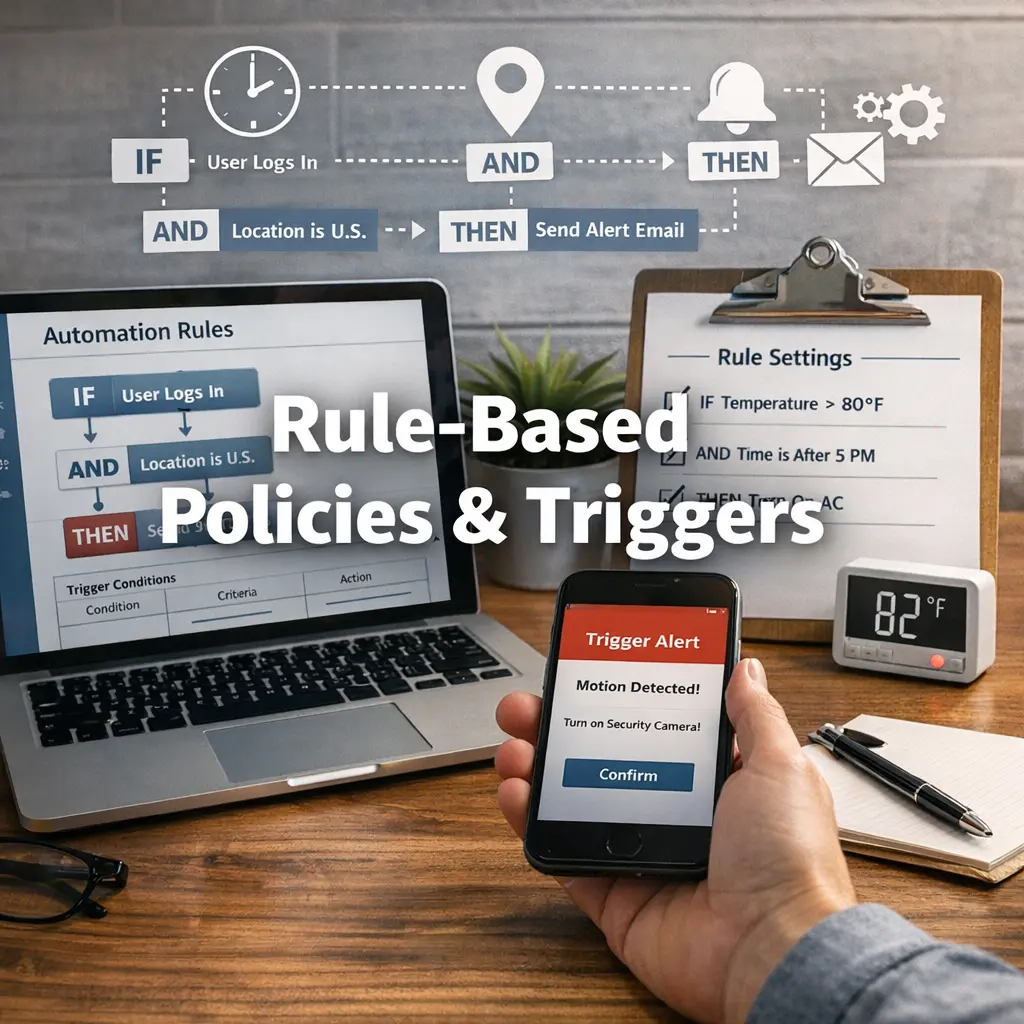
Messaging protocols and conversation topologies in agent architecture define how autonomous agents communicate and coordinate actions. Messaging protocols establish rules for message formatting, delivery, and interpretation, ensuring interoperability. Conversation topologies outline the patterns of interaction—such as one-to-one, one-to-many, or many-to-many—guiding how agents exchange information and collaborate. Together, they enable structured, reliable communication and efficient decision-making within multi-agent systems, supporting scalability and flexibility in distributed environments.
Messaging Protocols & Conversation Topologies
Messaging protocols and conversation topologies in agent architecture define how autonomous agents communicate and coordinate actions. Messaging protocols establish rules for message formatting, delivery, and interpretation, ensuring interoperability. Conversation topologies outline the patterns of interaction—such as one-to-one, one-to-many, or many-to-many—guiding how agents exchange information and collaborate. Together, they enable structured, reliable communication and efficient decision-making within multi-agent systems, supporting scalability and flexibility in distributed environments.

💡 Key Takeaways
- Identify and compare common messaging protocols (e.g., MQTT, AMQP, Kafka) and their typical use cases.
- Describe different conversation topologies (point-to-point, publish-subscribe, and request-reply) and when to use each.
- Understand delivery guarantees (at-least-once, at-most-once, exactly-once) and how they affect reliability, ordering, and retry behavior.
- Assess scalability, fault tolerance, and security considerations when choosing a messaging protocol and topology.
❓ Frequently Asked Questions
What is a messaging protocol?
A messaging protocol defines how systems exchange messages: how connections are established, message formats, delivery guarantees, and error handling. It enables interoperable, decoupled communication between components.
What is a conversation topology in messaging systems?
A topology describes how participants are connected and how messages flow. Common patterns include point-to-point (one sender to one receiver), publish–subscribe (one or more publishers to many subscribers via topics), and request–reply (a client sends a request and awaits a response).
Which messaging protocols are commonly used and what are they good for?
Examples: MQTT—lightweight publish–subscribe for IoT; AMQP—robust brokered messaging with Queues and routing; DDS—real-time data-centric pub–sub for robotics/automation; XMPP—near real-time messaging for chat; WebSocket—two-way communication for web apps.
How do topology choices affect reliability and scalability?
Point-to-point is simple and reliable for one-to-one needs; publish–subscribe decouples producers/consumers and scales well to many receivers; brokered topologies provide persistence and routing, while mesh or brokerless setups offer redundancy at the cost of added complexity.