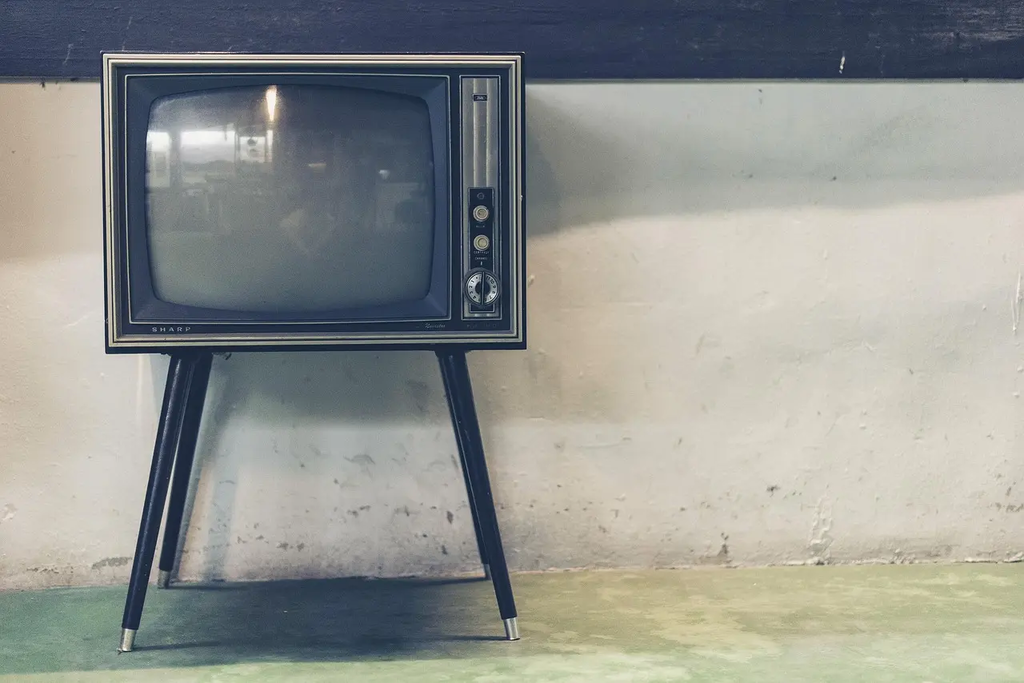
Meta-narratives and self-referential TV refer to television shows that are aware of themselves as media and often comment on storytelling conventions or their own creation. These shows break the fourth wall, reference their own episodes, or parody television tropes, inviting viewers to reflect on the nature of storytelling. Such techniques create a layered viewing experience, blending fiction with commentary and often engaging audiences in a more intellectually playful way.
Meta‑Narratives & Self‑Referential TV
Meta-narratives and self-referential TV refer to television shows that are aware of themselves as media and often comment on storytelling conventions or their own creation. These shows break the fourth wall, reference their own episodes, or parody television tropes, inviting viewers to reflect on the nature of storytelling. Such techniques create a layered viewing experience, blending fiction with commentary and often engaging audiences in a more intellectually playful way.

💡 Key Takeaways
- Define meta-narratives and self-referential TV and how they acknowledge their status as media.
- Identify techniques like breaking the fourth wall and self-referential dialogue that blur fiction and reality.
- Analyze how shows parody or critique television tropes, formats, and production conventions.
- Evaluate how this self-awareness changes viewer interpretation and prompts reflection on storytelling choices.
❓ Frequently Asked Questions
What does meta-narrative mean in television?
Meta-narratives are shows that are aware of themselves as media and often comment on storytelling, production, or TV conventions.
What is breaking the fourth wall?
Breaking the fourth wall occurs when characters directly acknowledge the audience or the fact that they are in a TV show, rather than staying in their in-world reality.
How do self-referential techniques affect viewing?
They invite you to think about how stories are built, challenge expectations, and can add humor or critique by drawing attention to clichés and production choices.
What are common meta techniques in TV?
Episodes that reference past or future events, jokes about the show's writing or production, parodies of TV tropes, or characters who comment on the show's structure.