Methods in musicology encompass diverse approaches for understanding music’s history and impact. Oral histories involve collecting firsthand accounts from musicians, composers, and listeners, offering rich, personal insights into musical traditions and cultural contexts. In contrast, data analytics relies on quantitative analysis of large datasets, such as recordings or digital archives, to identify patterns and trends. Together, these methods provide complementary perspectives, blending subjective experiences with objective evidence in musicological research.
Methods in Musicology: Oral Histories vs Data Analytics
Methods in musicology encompass diverse approaches for understanding music’s history and impact. Oral histories involve collecting firsthand accounts from musicians, composers, and listeners, offering rich, personal insights into musical traditions and cultural contexts. In contrast, data analytics relies on quantitative analysis of large datasets, such as recordings or digital archives, to identify patterns and trends. Together, these methods provide complementary perspectives, blending subjective experiences with objective evidence in musicological research.
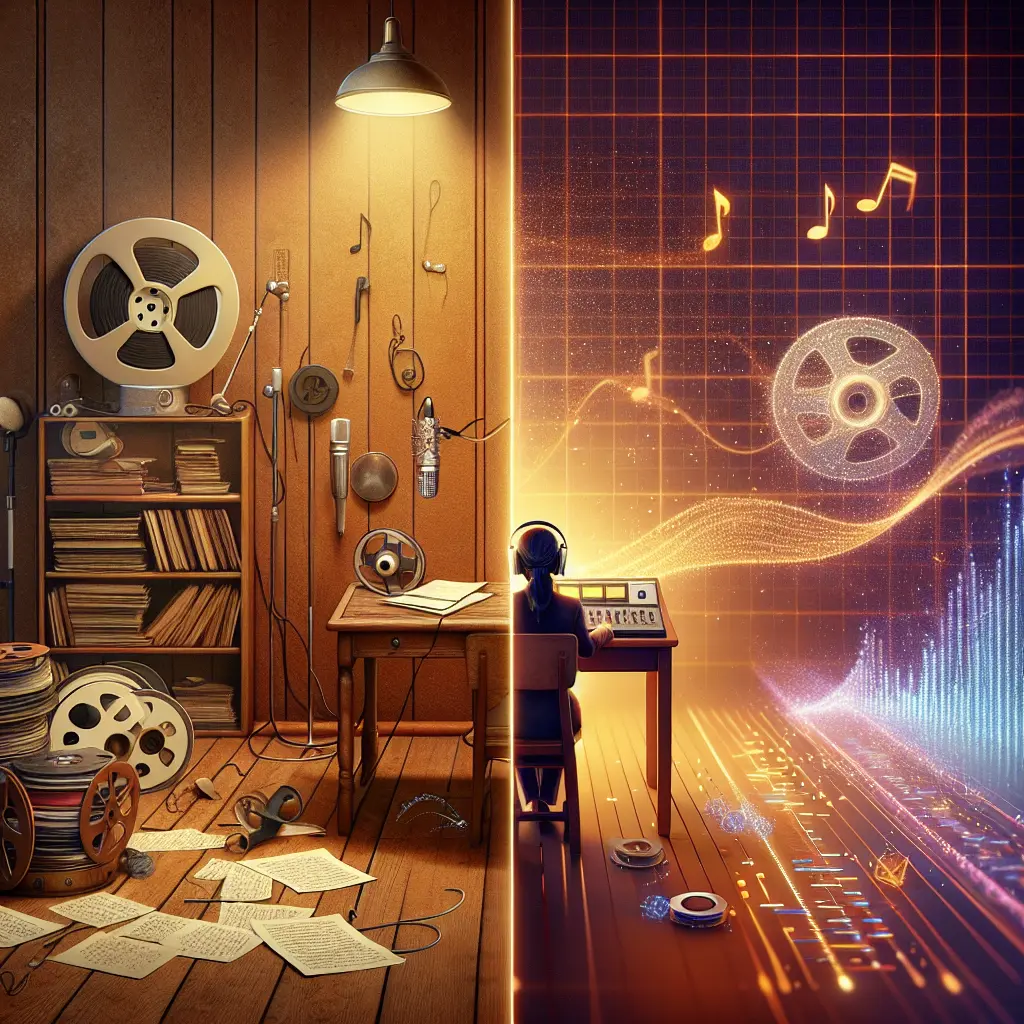
💡 Key Takeaways
- Distinguish oral histories from data analytics and understand how each method contributes to studying American music evolution.
- Explain what oral histories add: firsthand accounts, memory, and cultural context from musicians, composers, and listeners.
- Explain what data analytics add: quantitative patterns from large music datasets to reveal trends and shifts over time.
- Identify key methodological considerations for both approaches, including bias, ethics, sampling, and triangulation.
- Explore how combining oral histories with data analytics provides a more nuanced, triangulated view of American music history.
❓ Frequently Asked Questions
What is oral history in musicology?
Oral history collects firsthand accounts from musicians, composers, and listeners to capture personal memories and cultural contexts; typically through interviews and recordings, offering rich, subjective insights.
What is data analytics in musicology?
Data analytics uses quantitative methods to analyze musical data (scores, recordings, metadata, and listening data) to identify patterns, trends, and relationships over time.
How do oral histories differ from data analytics?
Oral histories are qualitative and narrative, emphasizing context and memory, while data analytics is quantitative and pattern-focused. They complement each other in musicology.
What sources and outputs characterize these methods?
Oral histories rely on interviews and recollections, yielding interviews and thematic insights; data analytics uses digital scores, recordings, and metadata, producing statistics, trend visuals, and network insights.