Mexican Muralism was an influential art movement that emerged in the early 20th century, characterized by large-scale murals painted on public buildings. Prominent artists like Diego Rivera, José Clemente Orozco, and David Alfaro Siqueiros used vibrant imagery and social themes to promote Mexican identity, history, and political ideals. The movement aimed to make art accessible to all, educate the public, and inspire social change, leaving a lasting impact on global art and culture.
Mexican Muralism
Mexican Muralism was an influential art movement that emerged in the early 20th century, characterized by large-scale murals painted on public buildings. Prominent artists like Diego Rivera, José Clemente Orozco, and David Alfaro Siqueiros used vibrant imagery and social themes to promote Mexican identity, history, and political ideals. The movement aimed to make art accessible to all, educate the public, and inspire social change, leaving a lasting impact on global art and culture.
💡 Key Takeaways
- Identify the key figures of Mexican Muralism (Diego Rivera, José Clemente Orozco, David Alfaro Siqueiros) and their signatures.
- Understand how murals were used in public spaces to promote social and political messages after the Mexican Revolution.
- Recognize common themes such as indigenous heritage, workers' struggles, and national identity in mural work.
- Describe the fresco technique and the large-scale storytelling approach used in Mexican murals and their lasting influence on public art.
❓ Frequently Asked Questions
What is Mexican Muralism?
A post-revolutionary art movement (roughly 1920s–1940s) that used large public frescoes to tell social, political, and historical stories aimed at educating and uniting everyday people.
Who are the key artists associated with Mexican Muralism?
Diego Rivera, José Clemente Orozco, and David Alfaro Siqueiros are the best known; these 'Big Three' created monumental murals across Mexico and beyond.
Why did muralists create public murals?
To promote national identity, social justice, and education after the Mexican Revolution by making art accessible to all in public buildings and schools.
What themes and styles are common in Mexican murals?
Indigenous heritage, workers and peasants, revolutionary ideals, and progress, often rendered in bold, dramatic compositions that blend realism with allegory.
Where can you see famous Mexican murals?
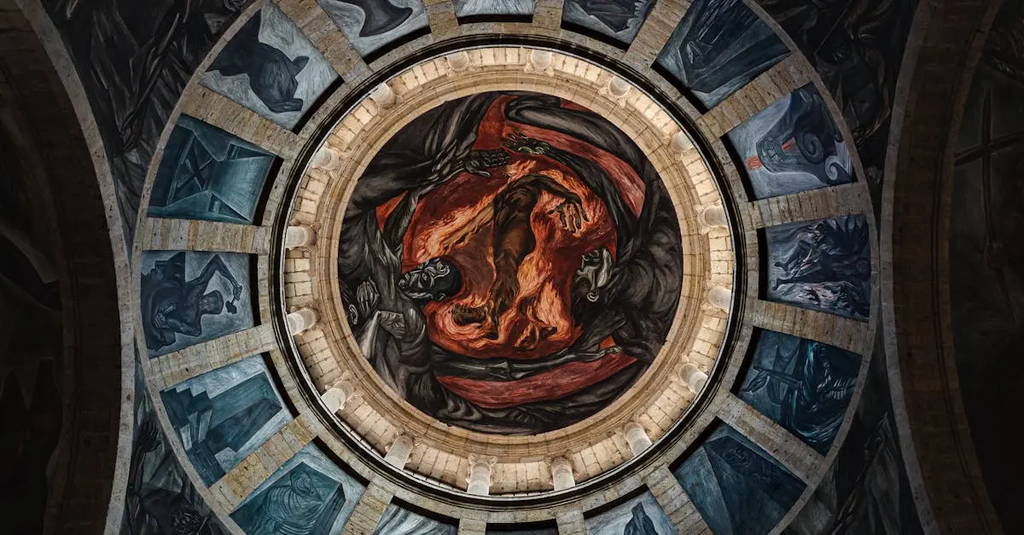
Examples include Rivera’s murals in the National Palace (Mexico City) and SEP building, Orozco’s works in Hospicio Cabañas (Guadalajara), and Siqueiros’ murals in the Polyforum Cultural Siqueiros (Mexico City) and other public sites.