Microbiology and Immunology are interconnected scientific fields focused on understanding microorganisms and the immune system. Microbiology studies microscopic organisms such as bacteria, viruses, fungi, and parasites, exploring their structure, function, and roles in health and disease. Immunology examines how the body’s defense mechanisms recognize and respond to these microbes, protecting against infections. Together, they provide crucial insights for developing vaccines, treatments, and strategies to prevent and control infectious diseases.
Microbiology and Immunology
Microbiology and Immunology are interconnected scientific fields focused on understanding microorganisms and the immune system. Microbiology studies microscopic organisms such as bacteria, viruses, fungi, and parasites, exploring their structure, function, and roles in health and disease. Immunology examines how the body’s defense mechanisms recognize and respond to these microbes, protecting against infections. Together, they provide crucial insights for developing vaccines, treatments, and strategies to prevent and control infectious diseases.
💡 Key Takeaways
- Identify the main microorganism groups (bacteria, viruses, fungi, parasites) and their basics.
- Explain how the immune system detects invaders and the key differences between innate and adaptive immunity.
- Describe how microbes cause disease and how the immune system defends against them, including concepts like virulence and vaccines.
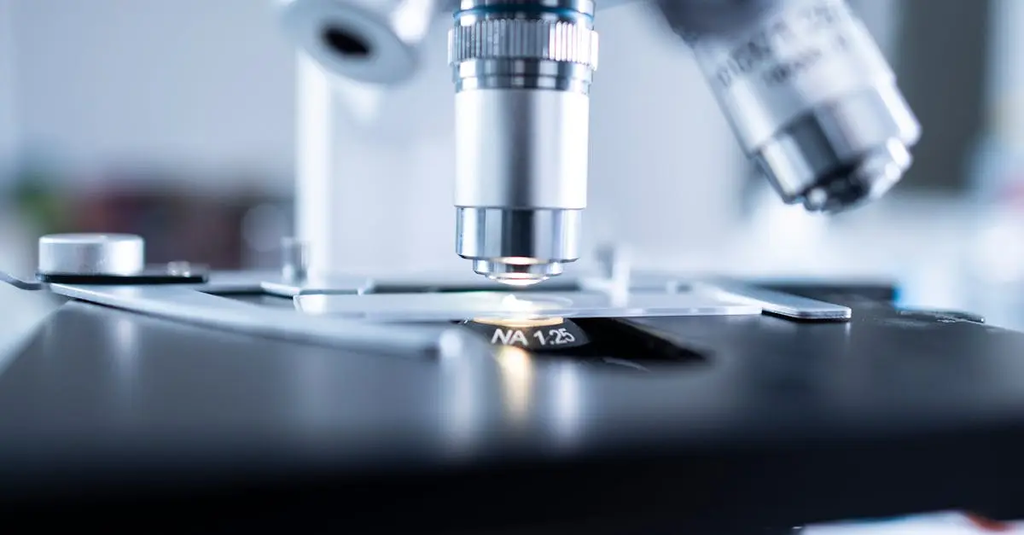
- Recognize common laboratory techniques used to study microbiology and immunology (e.g., staining, culturing, PCR, ELISA).
❓ Frequently Asked Questions
What is microbiology?
The study of microorganisms—bacteria, viruses, fungi, and parasites—their structure, function, genetics, and roles in health and disease.
What is immunology?
The branch of biology that studies the immune system, including how it detects pathogens, protects the body, and develops immunity.
How are microbiology and immunology connected?
Microbes trigger immune responses; understanding microbes helps explain disease and guides vaccines and therapies that boost or regulate immunity.
What is the microbiome?
The community of microorganisms living in and on the body, which influences digestion, metabolism, and immune function.
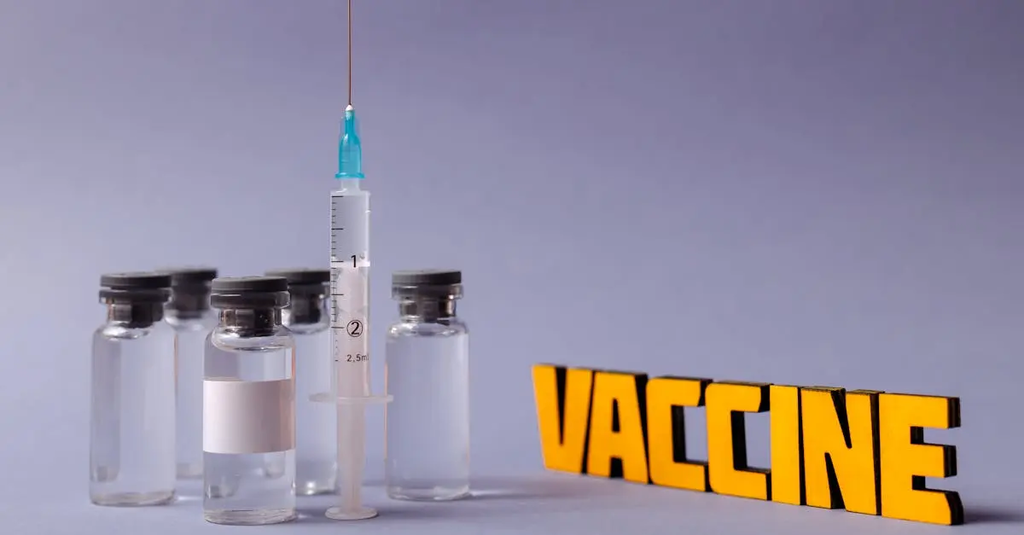
What is a vaccine?
A preparation that primes the immune system to recognize specific microbes, providing protection by training immune memory without causing disease.