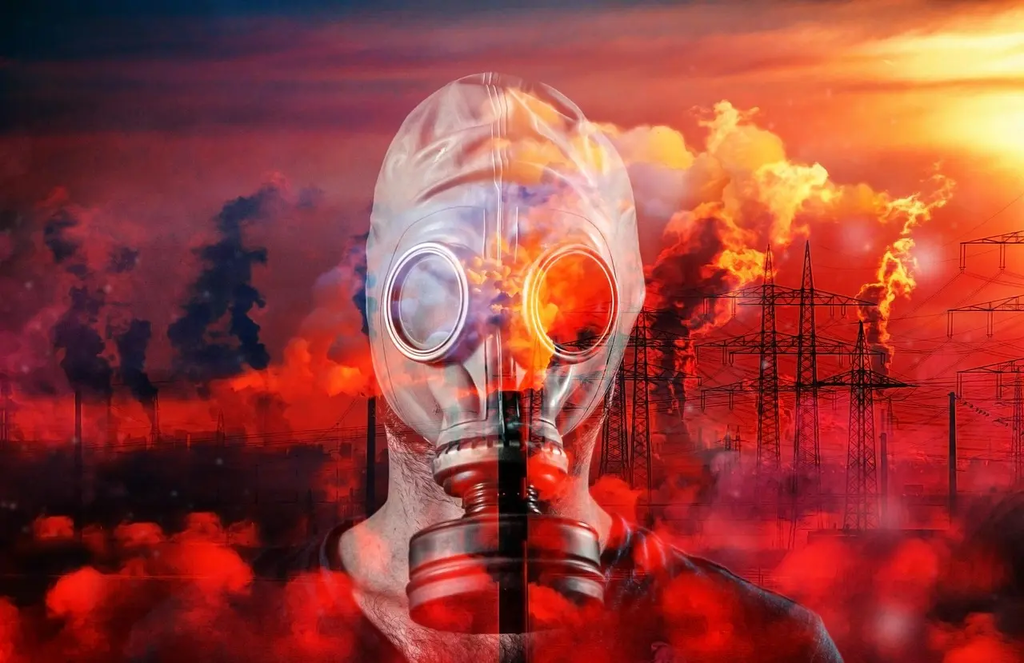
Microclimates in cities and countryside refer to small-scale variations in climate conditions caused by local features. In cities, buildings, roads, and human activities create urban heat islands, making them warmer and altering humidity and wind patterns. In contrast, the countryside, with more vegetation and open spaces, experiences cooler temperatures and greater moisture. These differences affect weather, plant growth, and comfort levels, highlighting the impact of human development and natural landscapes on local climates.
Microclimates in Cities and Countryside
Microclimates in cities and countryside refer to small-scale variations in climate conditions caused by local features. In cities, buildings, roads, and human activities create urban heat islands, making them warmer and altering humidity and wind patterns. In contrast, the countryside, with more vegetation and open spaces, experiences cooler temperatures and greater moisture. These differences affect weather, plant growth, and comfort levels, highlighting the impact of human development and natural landscapes on local climates.
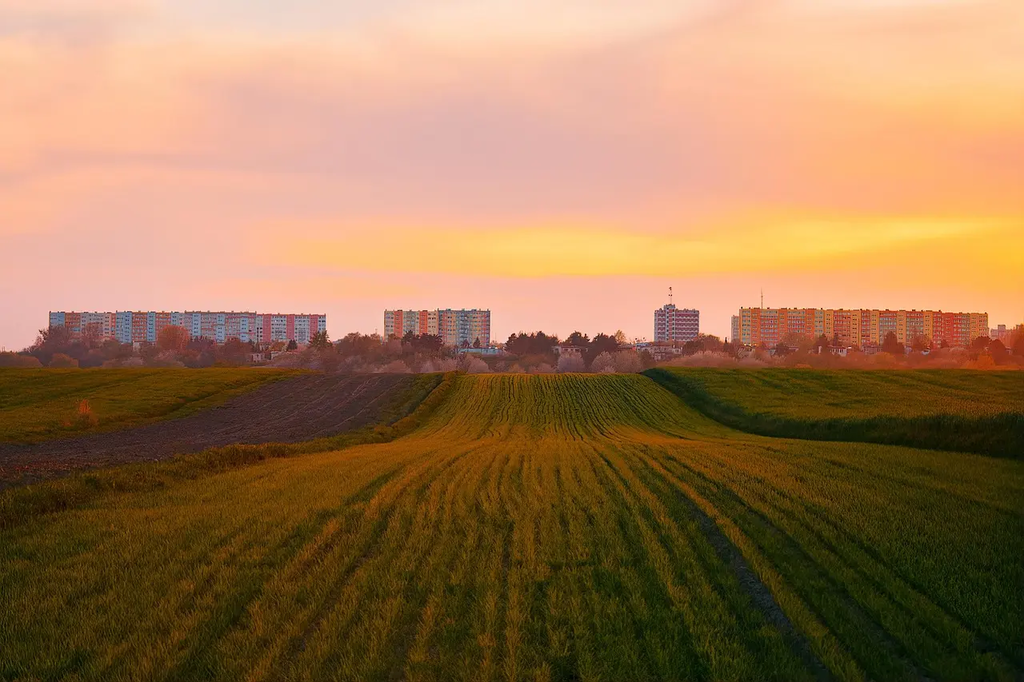
💡 Key Takeaways
- Define microclimates and how local features create small-scale climate variations in cities and the countryside.
- Describe urban heat islands and how buildings, roads, and human activity raise temperatures and change humidity and wind.
- Compare urban and rural microclimates, highlighting how vegetation and open spaces influence cooling and airflow.
- Identify real-world impacts of microclimates on weather, daily life, and climate-related disasters in urban and rural settings.
❓ Frequently Asked Questions
What is a microclimate?
A small-scale variation in climate conditions within a limited area caused by local features such as buildings, roads, vegetation, water, and topography.
What causes urban heat islands?
Dense development and heat-absorbing surfaces (like concrete and asphalt), reduced vegetation, heat from buildings and vehicles, and altered air flow that trap heat in cities.
How do city and countryside microclimates differ?
Cities tend to be warmer with modified humidity and wind due to buildings and pavement; countryside areas with more vegetation and open space are cooler with more natural air flow and evapotranspiration.
Why do microclimates matter for daily life and safety?
They affect comfort, energy use, heat stress, flood risk, and agriculture, guiding decisions on outdoor activity, clothing, and urban planning.