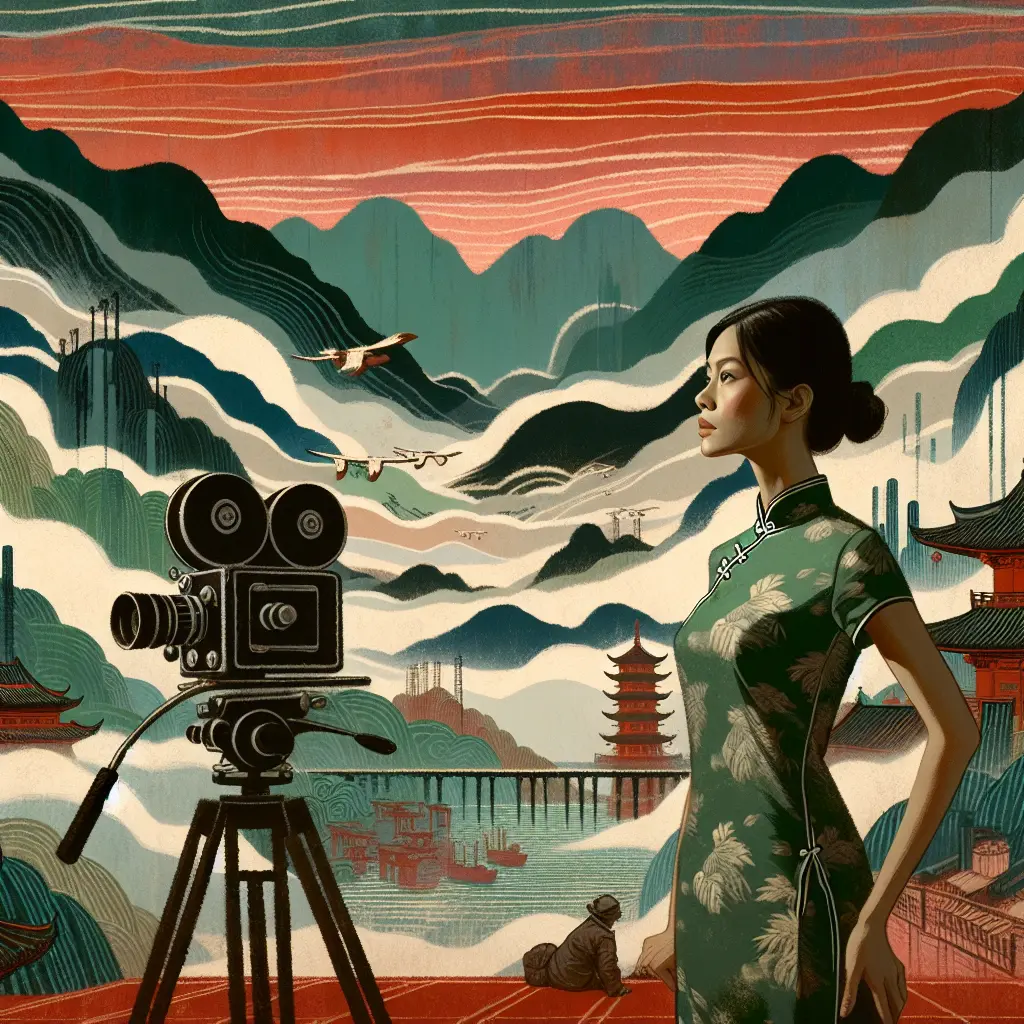
Middle Eastern Cinema refers to the film industry and cinematic works produced in countries of the Middle East, including Iran, Egypt, Turkey, Lebanon, Israel, and others. Known for its rich storytelling, cultural depth, and social commentary, Middle Eastern Cinema often explores themes of identity, tradition, conflict, and daily life. Filmmakers from the region have gained international recognition for their artistic innovation and their ability to portray complex social and political realities.
Middle Eastern Cinema
Middle Eastern Cinema refers to the film industry and cinematic works produced in countries of the Middle East, including Iran, Egypt, Turkey, Lebanon, Israel, and others. Known for its rich storytelling, cultural depth, and social commentary, Middle Eastern Cinema often explores themes of identity, tradition, conflict, and daily life. Filmmakers from the region have gained international recognition for their artistic innovation and their ability to portray complex social and political realities.
💡 Key Takeaways
- Understand how Middle Eastern cinema reflects culture and storytelling across Iran, Egypt, Turkey, Lebanon, and Israel.
- Identify common themes like identity, tradition vs. modernity, and social issues.
- Recognize key directors and landmark films that shaped regional cinema.
- Explore how language, music, and visuals contribute to the distinct style of Middle Eastern films.
❓ Frequently Asked Questions
What countries are typically included in Middle Eastern cinema?
It covers film industries from the Middle East and nearby regions, notably Iran, Egypt, Turkey, Lebanon, and Israel; other contributing nations include Jordan, Syria, and Gulf states.
What are common themes in Middle Eastern cinema?
Identity, tradition vs modernity, family, social change, politics/history, and cultural issues; themes vary by country.
What is Iranian New Wave?
A 1960s–70s movement known for realism, social critique, and poetic storytelling; notable directors include Abbas Kiarostami, Dariush Mehrjui, and Mohsen Makhmalbaf.
How is Egyptian cinema distinctive?
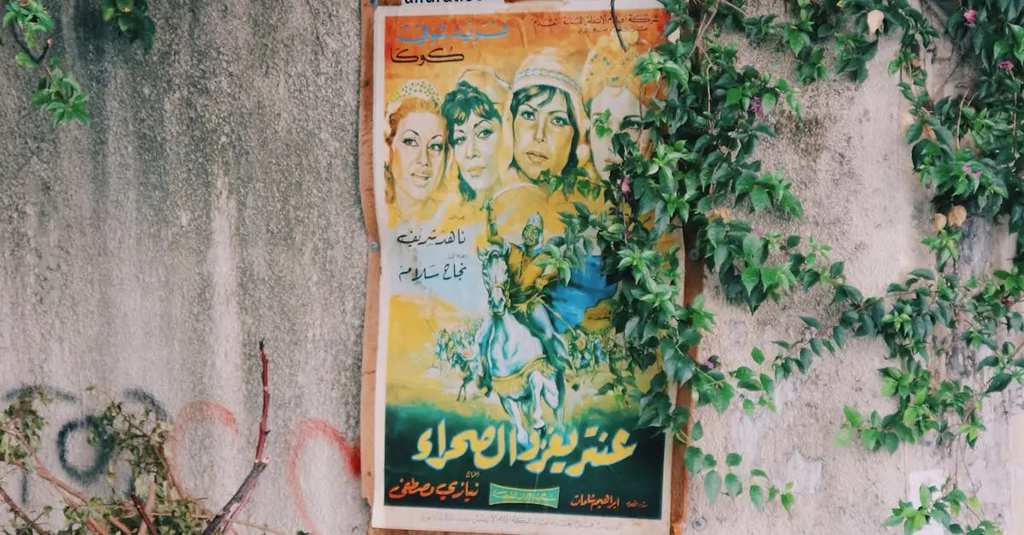
One of the oldest and most influential Arabic-language film industries, renowned for melodramas, comedies, and a long-running star system; Cairo has historically been a major hub.
What characterizes Turkish cinema?
A mix of art-house and mainstream films, with a strong Yeşilçam legacy (1950s–1980s) and today’s internationally recognized directors like Nuri Bilge Ceylan.