Middle Eastern Modest Fashion refers to clothing styles that prioritize modesty while embracing elegance and cultural heritage. Outfits often feature loose silhouettes, long sleeves, and floor-length garments, such as abayas, kaftans, and hijabs. These styles blend traditional elements with contemporary trends, incorporating rich fabrics, intricate embroidery, and vibrant colors. Middle Eastern modest fashion celebrates individuality and faith, offering women the opportunity to express personal style while adhering to cultural and religious values.
Middle Eastern Modest Fashion
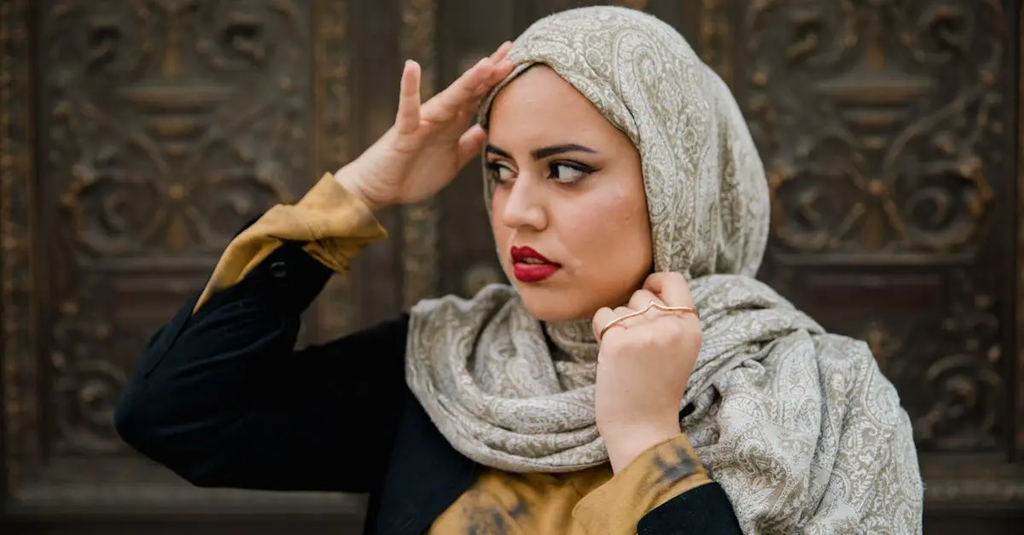
Middle Eastern Modest Fashion refers to clothing styles that prioritize modesty while embracing elegance and cultural heritage. Outfits often feature loose silhouettes, long sleeves, and floor-length garments, such as abayas, kaftans, and hijabs. These styles blend traditional elements with contemporary trends, incorporating rich fabrics, intricate embroidery, and vibrant colors. Middle Eastern modest fashion celebrates individuality and faith, offering women the opportunity to express personal style while adhering to cultural and religious values.
💡 Key Takeaways
- Trace the evolution of Middle Eastern modest fashion across decades, balancing tradition and modern trends.
- Identify key garments (abaya, kaftan, hijab) and their defining features.
- Explore how designers blend traditional elements with contemporary silhouettes, fabrics, and embellishments.
- Understand regional variations and the cultural significance of modest fashion in everyday life and special occasions.
❓ Frequently Asked Questions
What defines Middle Eastern modest fashion?
Modest, elegant styling with loose silhouettes, long sleeves, and floor-length garments, often featuring abayas, kaftans, and hijabs alongside contemporary touches.
Which garments are most associated with this style?
Abayas (full-length outer robes), kaftans (loose, flowing robes), and hijabs (headscarves), plus long-sleeve tops and maxi dresses.
What is the difference between an abaya and a hijab?
An abaya is a full-length outer garment worn over clothing; a hijab is a headscarf that covers the hair and neck.
How has this fashion evolved over the decades?
Traditional silhouettes blend with contemporary details—new fabrics, prints, embroidery, and colors—while preserving modesty.