Migration & Modernization Programs refer to initiatives undertaken by organizations or governments to move existing systems, applications, or infrastructure from outdated or legacy environments to more current, efficient, and scalable platforms. These programs aim to improve performance, security, and flexibility while reducing operational costs. They often involve adopting new technologies, updating business processes, and retraining staff to ensure a smooth transition and sustained organizational growth in a rapidly changing technological landscape.
Migration & Modernization Programs
Migration & Modernization Programs refer to initiatives undertaken by organizations or governments to move existing systems, applications, or infrastructure from outdated or legacy environments to more current, efficient, and scalable platforms. These programs aim to improve performance, security, and flexibility while reducing operational costs. They often involve adopting new technologies, updating business processes, and retraining staff to ensure a smooth transition and sustained organizational growth in a rapidly changing technological landscape.
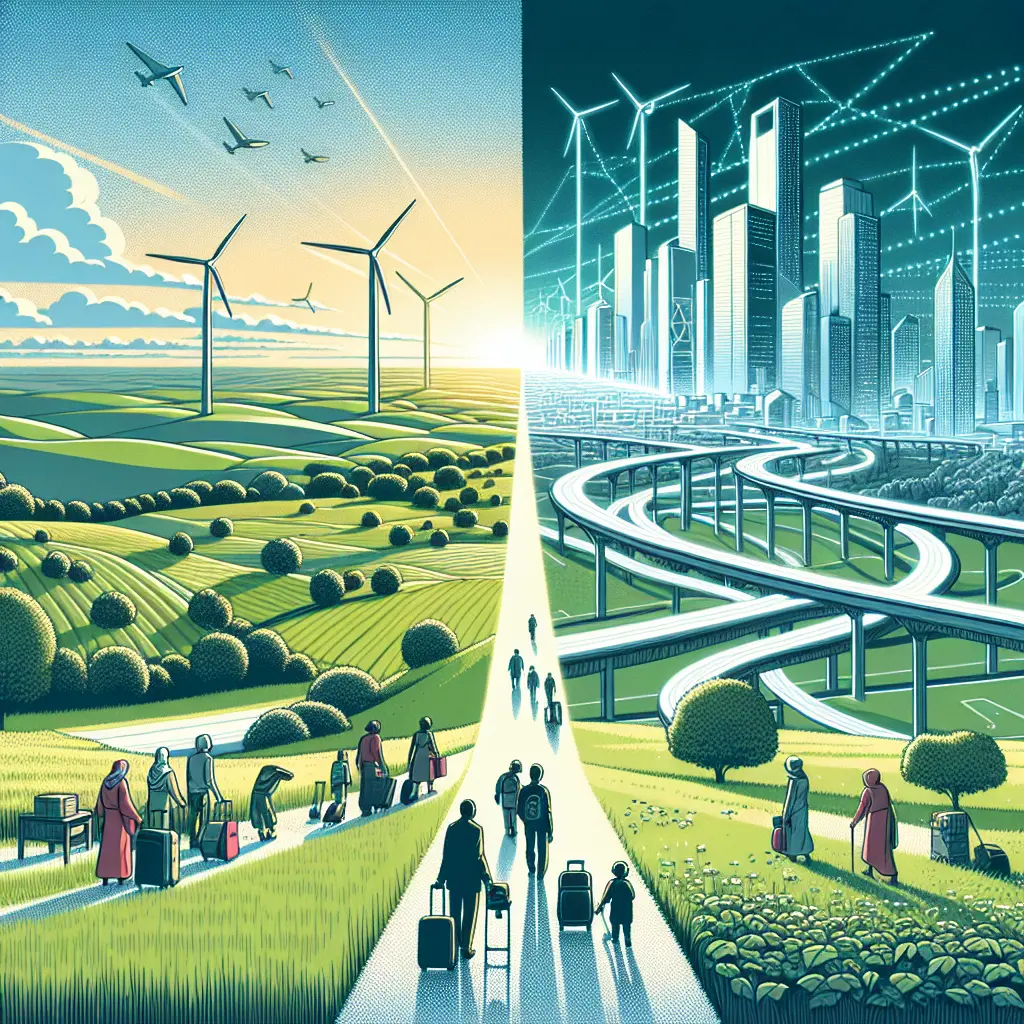
💡 Key Takeaways
- Understand common migration strategies (lift-and-shift, replatforming, refactoring) and when to use each
- Learn how to assess legacy systems for modernization, including dependencies, risks, and business impact
- Explore security, governance, and compliance considerations during migration to modern platforms
- Identify IT career paths in migration and modernization, with key roles, skills, and certifications
❓ Frequently Asked Questions
What is migration and modernization in IT?
Migration moves existing systems, applications, or data from legacy environments to newer platforms, while modernization updates architecture and code to leverage current technologies for greater agility, scalability, and maintainability.
What are common approaches to migration?
Lift-and-shift (rehost) moves components with minimal changes; replatform makes minor tweaks to use managed services; refactor (rewrite) redesigns for modern architectures; and replace with SaaS when suitable.
What are the key benefits of migration and modernization programs?
Improved performance, security, and reliability; greater scalability; lower operating costs; easier updates and maintenance; and faster time-to-market for new capabilities.
What are common risks or challenges?
Downtime or data loss, compatibility and integration issues, cost overruns, skill gaps, vendor lock-in, and security/compliance concerns.
What roles and skills are common in these programs?
Roles include solution/enterprise architects, cloud engineers, data/migration analysts, project/program managers, and security/compliance specialists. Key skills: cloud platforms, data migration, automation, governance, risk management, and stakeholder communication.