

Migration issues refer to the challenges and problems faced by individuals or groups when moving from one place to another. These issues can include legal barriers, discrimination, lack of access to resources, cultural differences, and economic instability. Migration issues can impact both the migrants themselves and the communities they are moving to, leading to complex social, political, and economic consequences.
Migration issues+50
Migration issues refer to the challenges and problems faced by individuals or groups when moving from one place to another. These issues can include legal barriers, discrimination, lack of access to resources, cultural differences, and economic instability. Migration issues can impact both the migrants themselves and the communities they are moving to, leading to complex social, political, and economic consequences.
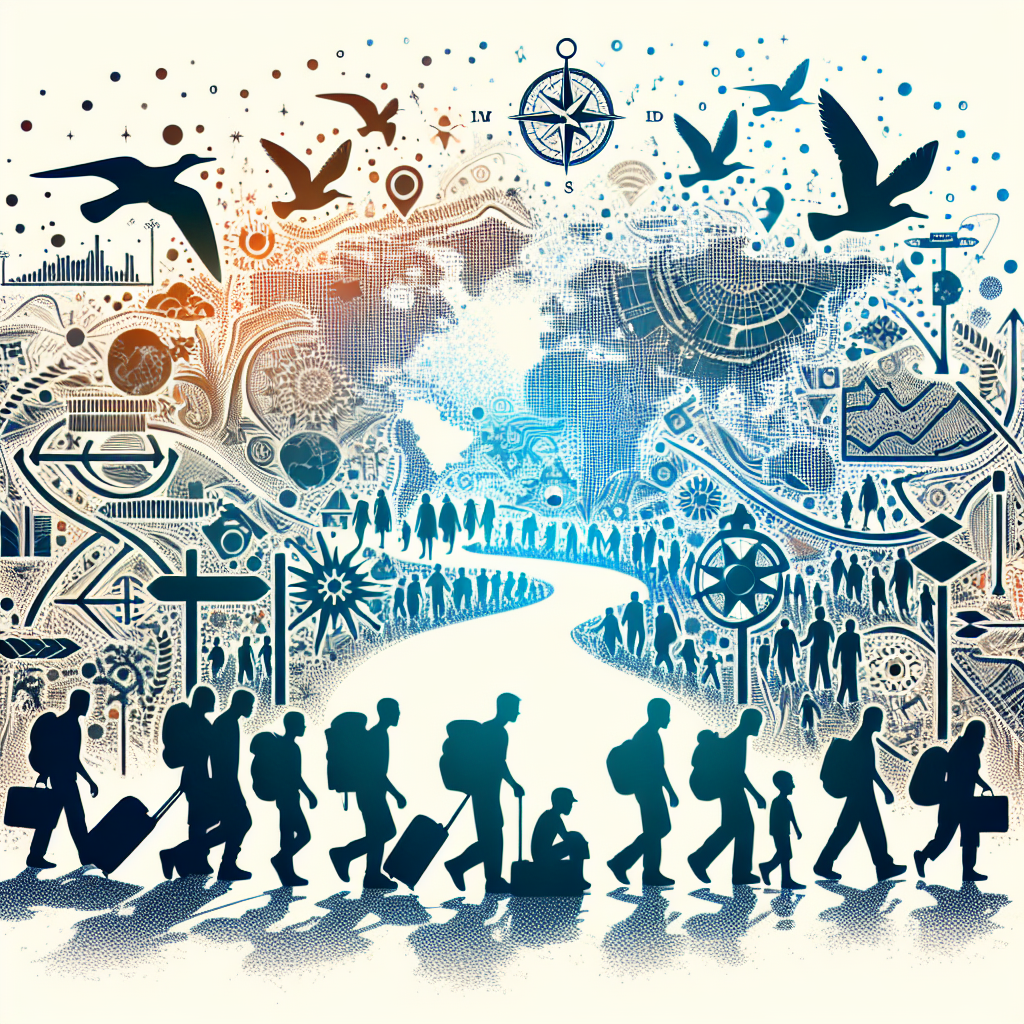
💡 Key Takeaways
- Identify common legal barriers and policy hurdles migrants encounter.
- Explain how discrimination can affect access to housing, jobs, and services.
- Describe resource gaps migrants may face, such as language barriers and documentation or healthcare access.
- Understand how cultural differences and social networks shape adaptation and well-being.
❓ Frequently Asked Questions
What does 'migration issues' mean?
Migration issues are the challenges people face when moving from one place to another, including legal, economic, social, and cultural barriers that affect their settlement and well-being.
What are common legal barriers migrants encounter?
Common legal barriers include visa and work permit requirements, asylum procedures, documentation status, and residency rules that limit where migrants can live or work.
How can discrimination impact migrants?
Discrimination can limit access to housing, jobs, healthcare, and education, hinder social inclusion, and negatively affect safety and overall well-being.
Why is access to resources important for migrants?
Access to housing, employment, healthcare, education, language support, and social services helps migrants settle, integrate, and maintain stability in their new place.
What are push and pull factors in migration?
Push factors drive people to leave their origin (like conflict or poverty), while pull factors attract them to a destination (such as better jobs, safety, or education).