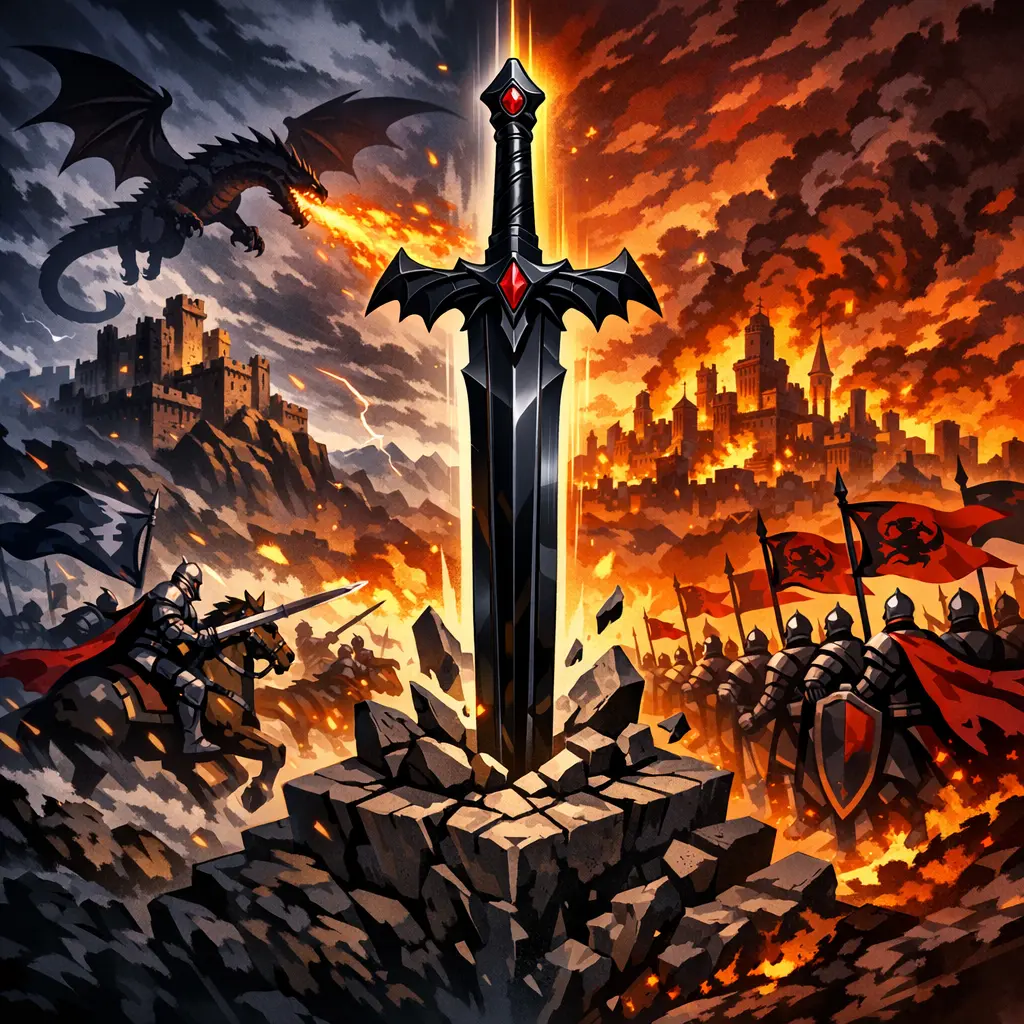
The military tactics of Westeros, as depicted in "Game of Thrones," blend medieval European warfare with unique fantasy elements. Commanders rely on cavalry charges, shield walls, archery volleys, and siege engines to gain advantages. Strategic use of terrain, deception, and alliances often determine outcomes. Nobles lead armies under banners, and loyalty or betrayal can swiftly alter battles. Dragon warfare and wildfire introduce unpredictable, devastating factors, shifting traditional tactics and balance of power.
Military Tactics of Westeros
The military tactics of Westeros, as depicted in "Game of Thrones," blend medieval European warfare with unique fantasy elements. Commanders rely on cavalry charges, shield walls, archery volleys, and siege engines to gain advantages. Strategic use of terrain, deception, and alliances often determine outcomes. Nobles lead armies under banners, and loyalty or betrayal can swiftly alter battles. Dragon warfare and wildfire introduce unpredictable, devastating factors, shifting traditional tactics and balance of power.
💡 Key Takeaways
- Differentiate siege tactics from open-field battles in Westeros and when each works best.
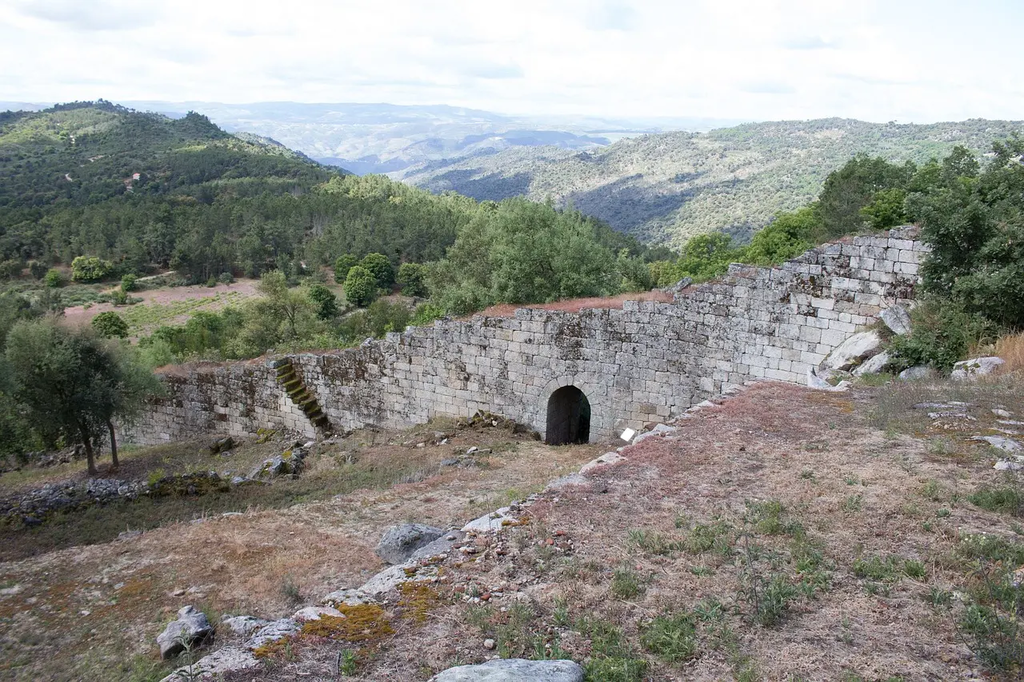
- Explain how terrain, weather, and fortifications influence march plans, supply lines, and battlefield outcomes.
- Describe how loyalty, feudal levies, and bannermen's commitments affect army size, morale, and logistics.
- Analyze how dragons and wildfire can drastically shift strategy and risk on the battlefield.
❓ Frequently Asked Questions
What factors influence Westerosi military tactics?
Geography, fortifications, weather, supply lines, and loyal bannermen shape decisions as much as battlefield prowess.
Why are sieges a common tactic in Westeros?
Castles control territory, so sieges focus on breaking walls or starving a garrison, often requiring long planning, relief armies, and cunning.
How do alliances and feudal loyalties affect campaigns?
Lords provide troops and resources; shifting oaths or forging marriages and pacts can swing outcomes and coordinate forces.
What is the role of leadership and morale in battles?
Decisive, competent leadership boosts discipline and morale; weak or indecisive command can lead to desertion and defeat.
How do dragons influence battlefield tactics?
Dragons act as force multipliers, breaking enemy lines and spreading panic, but they depend on logistics, countermeasures, and rider safety.