MIMO (Multiple Input Multiple Output) is a technology in telecommunications that uses multiple antennas at both the transmitter and receiver ends to improve communication performance. In telecoms, it enhances data throughput and link reliability by exploiting multipath propagation. In signals, MIMO enables simultaneous transmission of multiple data streams, increasing spectral efficiency. For power, it allows for better energy utilization and coverage by distributing transmission across several antennas, reducing interference and signal fading.
MIMO Concepts
MIMO (Multiple Input Multiple Output) is a technology in telecommunications that uses multiple antennas at both the transmitter and receiver ends to improve communication performance. In telecoms, it enhances data throughput and link reliability by exploiting multipath propagation. In signals, MIMO enables simultaneous transmission of multiple data streams, increasing spectral efficiency. For power, it allows for better energy utilization and coverage by distributing transmission across several antennas, reducing interference and signal fading.
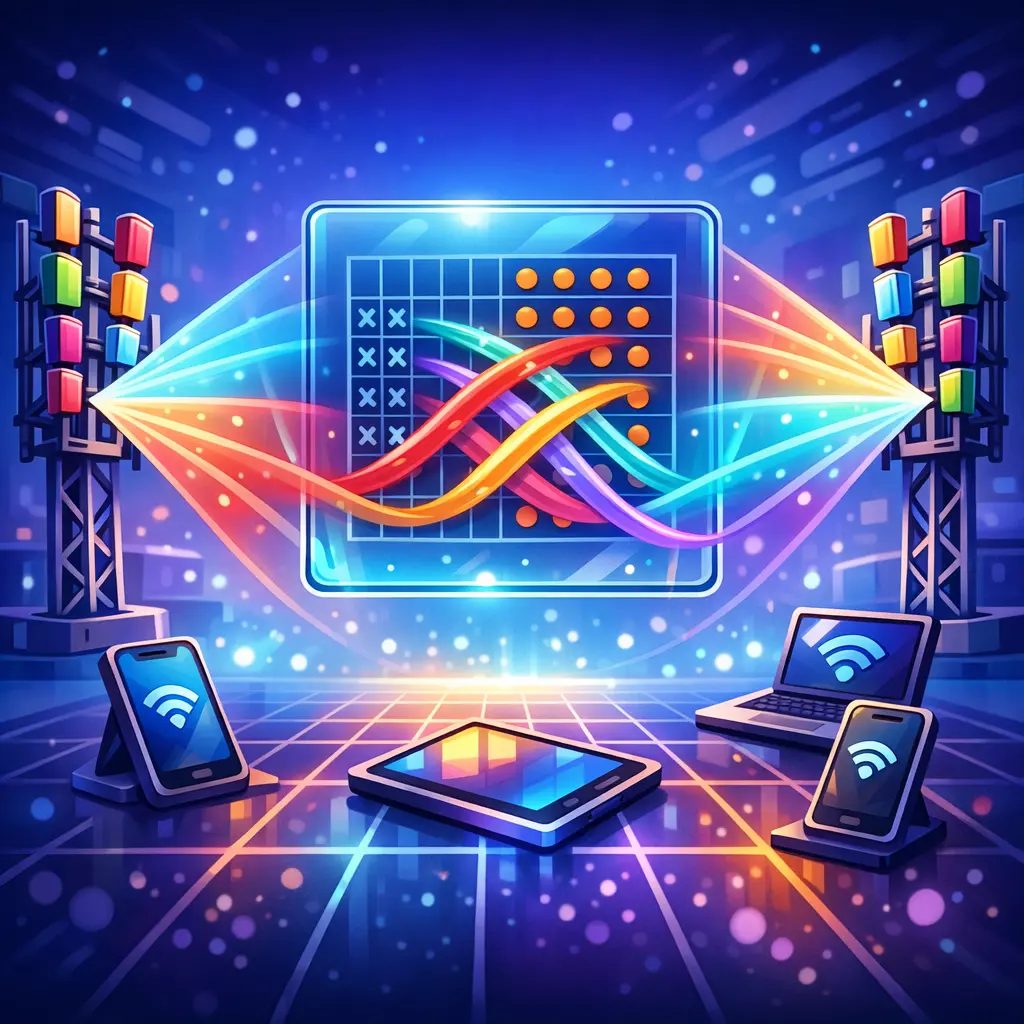
💡 Key Takeaways
- Understand how multiple antennas enable higher data rates through spatial multiplexing and improve link reliability with diversity.
- Learn the differences between spatial multiplexing, diversity, and beamforming in MIMO systems.
- Recognize factors that affect MIMO performance: channel conditions, antenna spacing, and antenna correlation.
- Consider practical aspects of implementing MIMO, such as hardware complexity, antenna design, and calibration.
❓ Frequently Asked Questions
What does MIMO stand for and what is MIMO?
MIMO stands for Multiple-Input, Multiple-Output. It uses several antennas at both the transmitter and receiver to improve capacity and reliability by exploiting multiple signal paths.
How does MIMO increase data throughput?
Through spatial multiplexing, where independent data streams are transmitted over multiple antennas and separated at the receiver, boosting data rates when the channel has enough independent paths.
What is beamforming in MIMO and why is CSI important?
Beamforming steers transmitted energy toward the intended user by adjusting antenna weights. Effective beamforming relies on channel state information (CSI) at the transmitter (CSIT); the receiver uses CSI (CSIR) to separate the streams.
What is the diversity–multiplexing trade-off in MIMO?
Diversity improves reliability by using multiple antennas to combat fading, while multiplexing increases throughput by sending multiple data streams. There is a trade-off, and designers balance reliability and speed based on channel conditions.