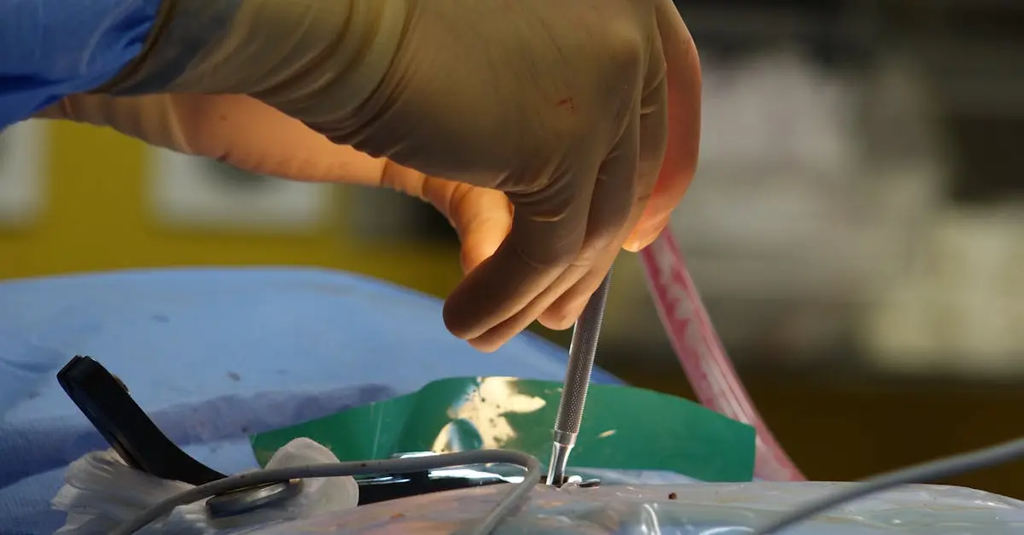
Minimally invasive surgery refers to surgical techniques that use small incisions, specialized instruments, and advanced technology such as cameras or robotic assistance to perform procedures. This approach contrasts with traditional open surgery, resulting in less tissue damage, reduced pain, shorter hospital stays, and faster recovery times for patients. Minimally invasive methods are commonly used in various fields, including orthopedics, gynecology, and general surgery, offering effective treatment with fewer complications.
Minimally Invasive Surgery
Minimally invasive surgery refers to surgical techniques that use small incisions, specialized instruments, and advanced technology such as cameras or robotic assistance to perform procedures. This approach contrasts with traditional open surgery, resulting in less tissue damage, reduced pain, shorter hospital stays, and faster recovery times for patients. Minimally invasive methods are commonly used in various fields, including orthopedics, gynecology, and general surgery, offering effective treatment with fewer complications.
💡 Key Takeaways
- Define minimally invasive surgery and its core components (small incisions, specialized instruments, and visualization technology such as cameras or robotic systems).
- MIS typically results in less tissue damage, less pain, smaller scars, and faster recovery compared with open surgery.
- MIS platforms include laparoscopic and robotic-assisted approaches, supported by imaging and energy devices for precision.
- Common MIS procedures and factors that influence suitability for a patient (indication, anatomy, and comorbidities).
❓ Frequently Asked Questions
What is minimally invasive surgery?
A surgical approach that uses small incisions and specialized instruments (often with cameras) to perform procedures, resulting in less tissue damage than traditional open surgery.
What technologies are commonly used in minimally invasive surgery?
Techniques include laparoscopy (camera and instruments), robotic-assisted systems, and endoscopic tools that enable visualization and operation through tiny openings.
What are the main benefits of minimally invasive surgery?
Smaller incisions, less tissue damage, reduced postoperative pain, shorter hospital stays, and faster recovery compared with open surgery.
What are potential limitations or risks of minimally invasive surgery?
Not suitable for all conditions or patients; requires specialized equipment and training; risks can include infection, bleeding, or injury to nearby structures, and setup times may be longer.