Mixed Reality Interfaces blend elements of both physical and digital worlds, allowing users to interact with virtual objects as if they exist in real space. Utilizing technologies like augmented reality (AR) and virtual reality (VR), these interfaces provide immersive experiences by overlaying digital information onto the real environment or integrating real-world elements into virtual settings. This seamless combination enhances user engagement, collaboration, and productivity across various fields such as education, healthcare, and entertainment.
Mixed Reality Interfaces
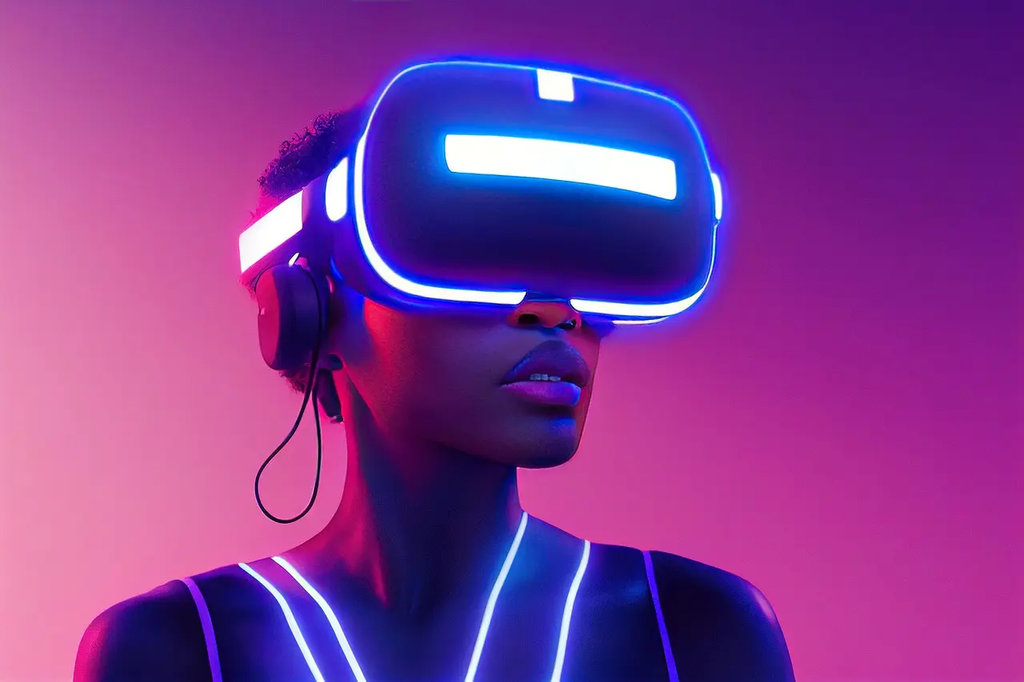
Mixed Reality Interfaces blend elements of both physical and digital worlds, allowing users to interact with virtual objects as if they exist in real space. Utilizing technologies like augmented reality (AR) and virtual reality (VR), these interfaces provide immersive experiences by overlaying digital information onto the real environment or integrating real-world elements into virtual settings. This seamless combination enhances user engagement, collaboration, and productivity across various fields such as education, healthcare, and entertainment.
💡 Key Takeaways
- Understand how mixed reality blends physical and digital elements in real space.
- Describe how AR and VR merge to create immersive MR experiences with overlaid digital content.
- Identify interaction methods and the role of spatial tracking in MR (gestures, controllers, gaze).
- Recognize typical applications and design considerations for MR interfaces in space and future-tech contexts.
❓ Frequently Asked Questions
What is Mixed Reality (MR)?
MR blends real and virtual elements so digital objects appear in the real world and respond to real-space cues.
How do AR and VR relate to Mixed Reality?
AR overlays digital content on the real world, VR creates a fully virtual environment, and MR combines both to let virtual objects coexist and interact with real space.
What technologies enable Mixed Reality interfaces?
Technologies include spatial mapping, depth sensing, head/hand/eye tracking, gesture recognition, and MR headset sensors that align digital content with the real environment.
What are common uses of MR in space and future tech?
Applications include astronaut training, mission planning with holographic overlays, remote collaboration, guided maintenance, and data visualization on real equipment.