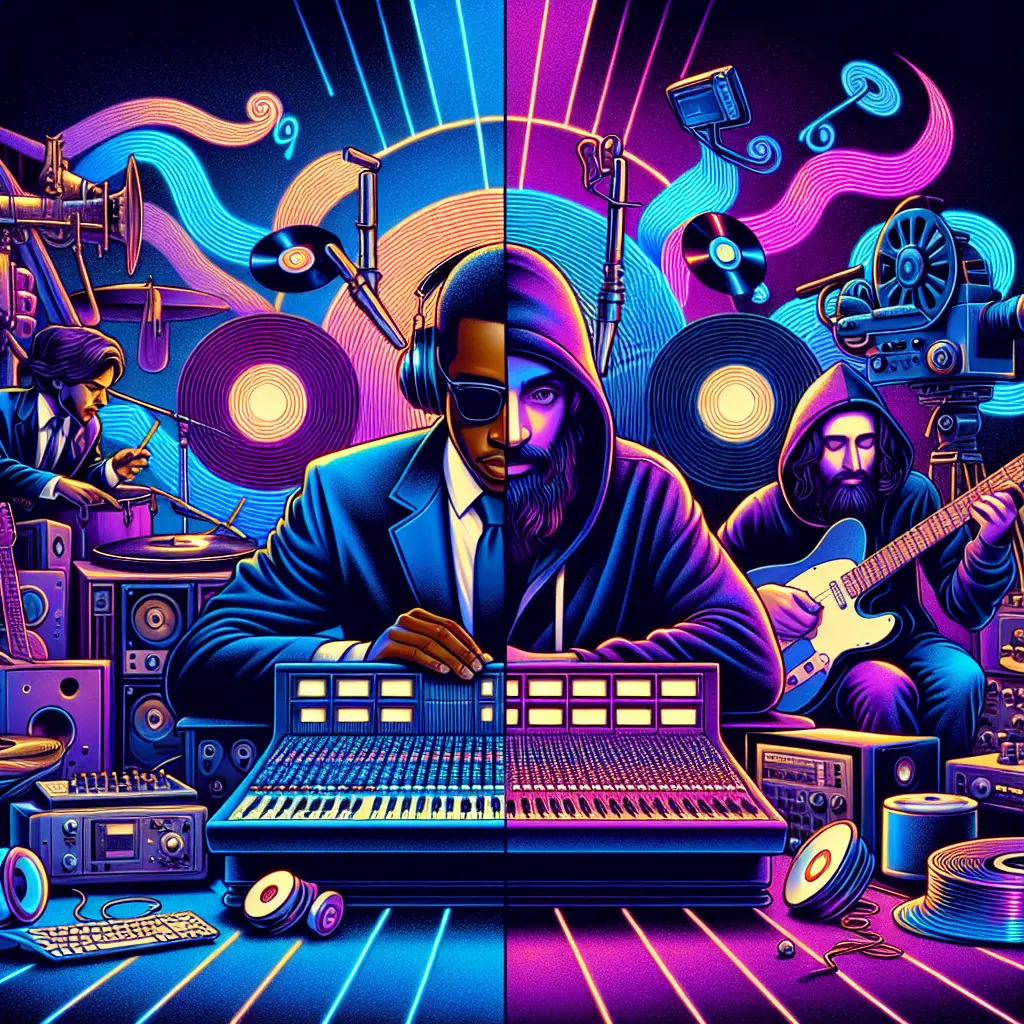
Mixtape culture refers to the grassroots creation and sharing of music compilations, often by DJs or independent artists, outside mainstream channels. Street-level distribution involves selling or handing out these mixtapes directly to listeners in urban environments, such as street corners, clubs, or local shops. This approach fosters community connections, allows emerging talent to gain exposure, and challenges traditional music industry gatekeepers by prioritizing accessibility and authenticity.
Mixtape Culture and Street-Level Distribution
Mixtape culture refers to the grassroots creation and sharing of music compilations, often by DJs or independent artists, outside mainstream channels. Street-level distribution involves selling or handing out these mixtapes directly to listeners in urban environments, such as street corners, clubs, or local shops. This approach fosters community connections, allows emerging talent to gain exposure, and challenges traditional music industry gatekeepers by prioritizing accessibility and authenticity.
💡 Key Takeaways
- Understand what mixtape culture is and how it emerged as a grassroots form of music distribution.
- Identify the roles of DJs and independent artists in curating and sharing compilations outside mainstream channels.
- Explain street-level distribution methods and their impact on urban music scenes and listener access.
- Analyze how mixtapes influenced genre blending and artist discovery prior to digital platforms.
- Discuss copyright, licensing, and monetization considerations within grassroots mixtape practices.
❓ Frequently Asked Questions
What is mixtape culture?
Mixtape culture is the grassroots creation and sharing of music compilations—often by DJs or independent artists—outside mainstream channels, featuring unsigned or unreleased tracks.
How does street-level distribution work?
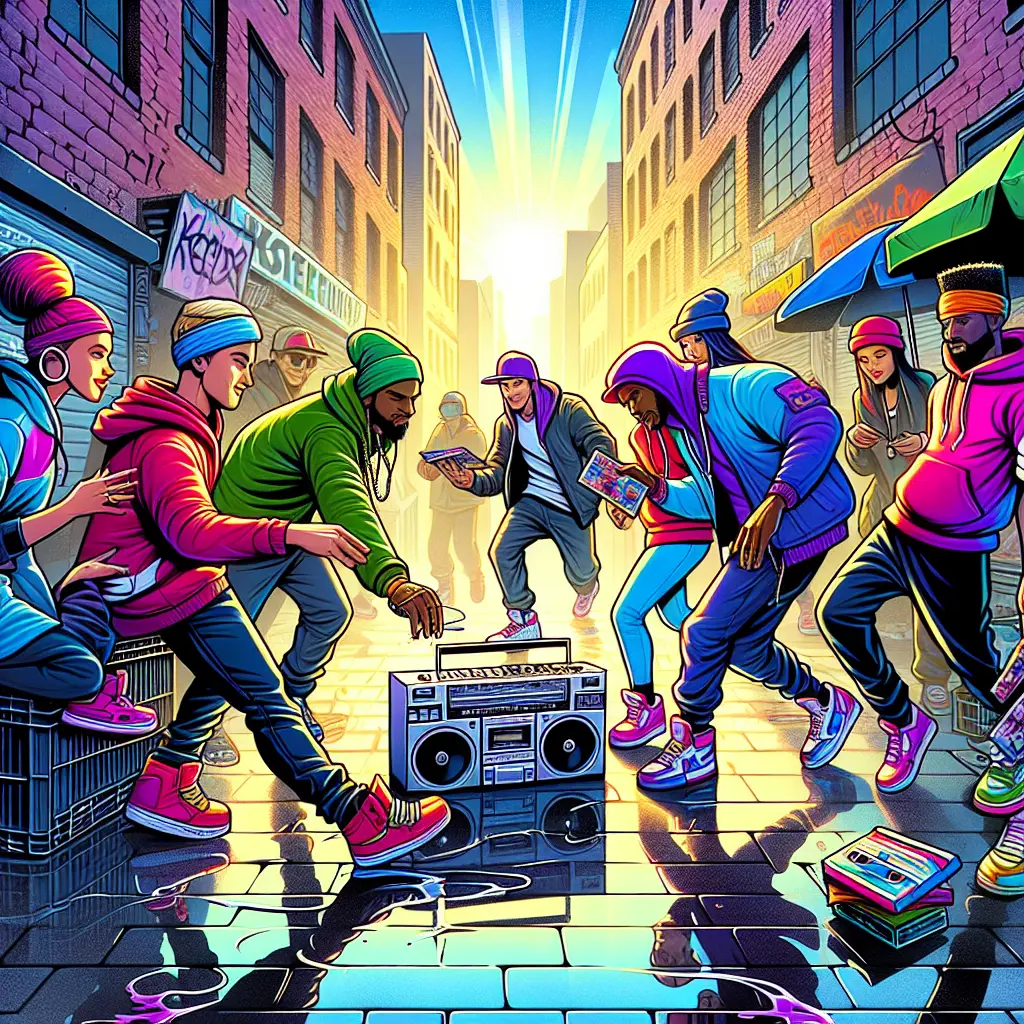
Street-level distribution involves handing out or selling tapes or CDs directly to listeners in urban spaces like street corners, clubs, or events, bypassing traditional retailers and labels.
Why were mixtapes important in American music evolution?
Mixtapes democratized access to new music, helped independent artists build audiences, and accelerated the spread of new sounds, especially in hip-hop, outside major label systems.
What distinguishes a mixtape from an official album or a bootleg?
Mixtapes are unofficial compilations released outside label channels, often with freestyles or remixes, while bootlegs are unauthorized copies of existing releases; mixtapes aren’t formal label releases.