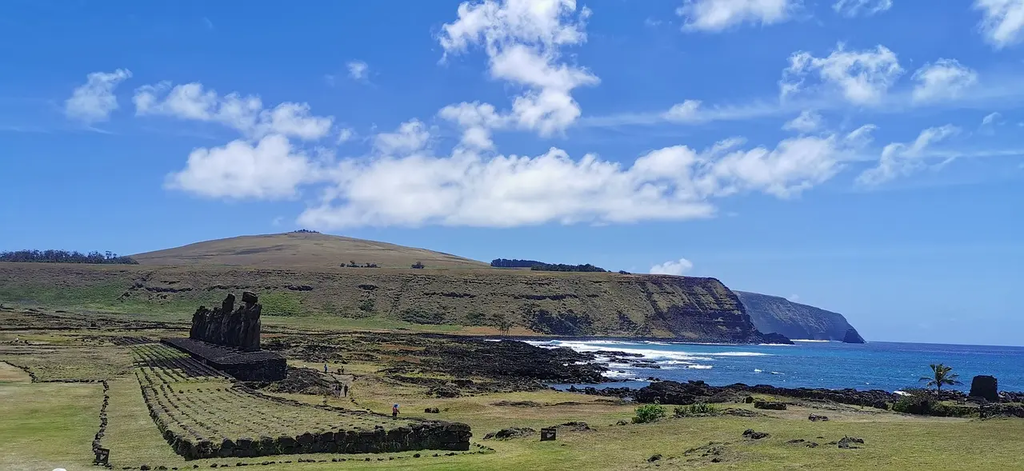
The Moai Statues of Easter Island are massive stone figures carved by the Rapa Nui people between the 13th and 16th centuries. Standing up to 33 feet tall, these statues are renowned for their oversized heads and mysterious origins. Located on the remote Easter Island in the Pacific Ocean, the Moai are believed to represent ancestral chiefs and hold great cultural significance, making them one of the world’s most iconic and enigmatic landmarks.
Moai Statues of Easter Island
The Moai Statues of Easter Island are massive stone figures carved by the Rapa Nui people between the 13th and 16th centuries. Standing up to 33 feet tall, these statues are renowned for their oversized heads and mysterious origins. Located on the remote Easter Island in the Pacific Ocean, the Moai are believed to represent ancestral chiefs and hold great cultural significance, making them one of the world’s most iconic and enigmatic landmarks.
💡 Key Takeaways
- Identify where Easter Island is and what the Moai statues are.
- Describe typical Moai features, including large heads and carved bodies, and the material they’re made from (volcanic tuff).
- Explain how the statues were carved at the Rano Raraku quarry and transported to coastal platforms (ahu).
- Understand the cultural purpose of the Moai as ancestral figures linked to important people and ceremonies.
- Recognize related elements like the pukao topknots and ahu platforms and what they signify about Rapa Nui society.
❓ Frequently Asked Questions
What are Moai statues?
Large stone figures carved by the Rapa Nui people on Easter Island, depicting stylized human faces and torsos, created mainly between the 13th and 16th centuries.
Where are Moai statues located and why were they placed?
They stand on Easter Island in the Pacific. They were erected along ceremonial sites and coastlines to honor ancestors and oversee communities.
What materials are Moai made from and how tall do they stand?
Carved from volcanic tuff at the Rano Raraku quarry. Heights range from a few feet to about 10 meters (13–33 ft); some statues wear red topknots called pukao.
How were the Moai moved and raised?
Carvers transported them from the quarry using ropes and wooden rollers, and some researchers say they were 'walked' forward with coordinated rope work before being erected at sites.
What about the eyes and topknots?
Many Moai had inlaid eyes made from coral and obsidian; some statues also wore pukao, topknots of red scoria, on their heads.