Mobile videography refers to capturing video content using smartphones or tablets, which offer convenience and portability for creators. Gimbals are handheld stabilizing devices designed to keep the camera steady, reducing shakes and vibrations during filming. Together, mobile videography and gimbals enable users to produce smooth, professional-quality videos with minimal equipment, making high-quality content creation accessible to a wider audience, from amateurs to aspiring filmmakers.
Mobile Videography and Gimbals
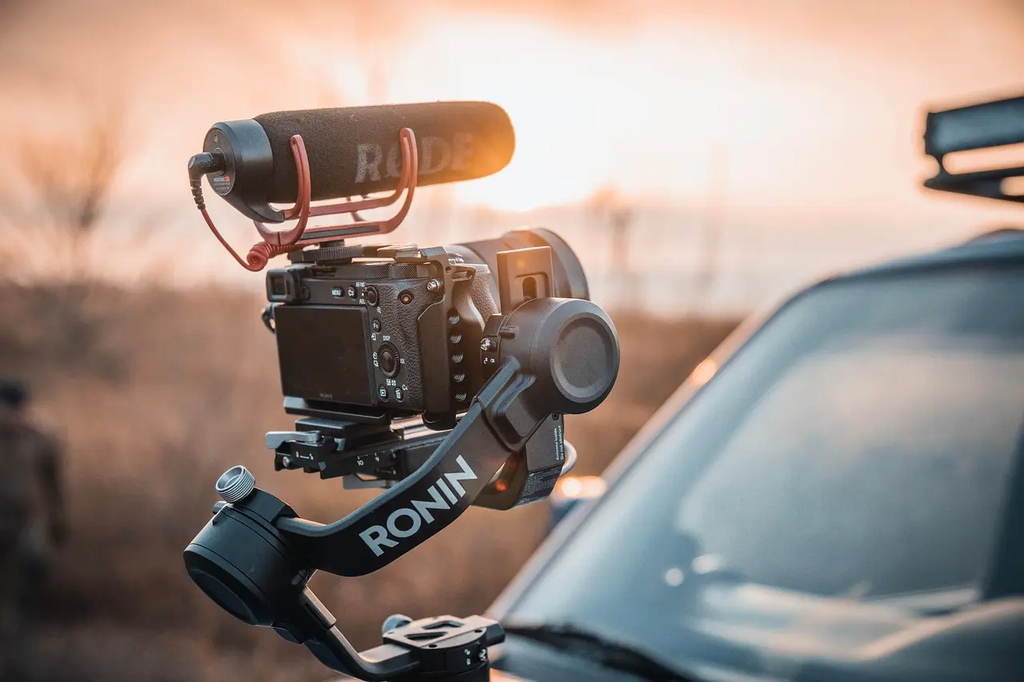
Mobile videography refers to capturing video content using smartphones or tablets, which offer convenience and portability for creators. Gimbals are handheld stabilizing devices designed to keep the camera steady, reducing shakes and vibrations during filming. Together, mobile videography and gimbals enable users to produce smooth, professional-quality videos with minimal equipment, making high-quality content creation accessible to a wider audience, from amateurs to aspiring filmmakers.
💡 Key Takeaways
- Understand the basics of mobile videography, including shot framing, lighting, and clear audio on phones/tablets.
- Learn how gimbals stabilize footage to minimize shakes and enable smooth, cinematic motion.
- Discover setup essentials: balancing your device on a gimbal and choosing appropriate camera settings (resolution and frame rate).
- Explore practical filming techniques with mobile gear, such as panning, tracking shots, and safe handling.
❓ Frequently Asked Questions
What is mobile videography?
Creating video content with smartphones or tablets, leveraging their portability, cameras, and built-in editing tools to shoot on the go.
What is a gimbal and how does it work?
A handheld stabilizer with motors and sensors that counteract unwanted movement along pitch, yaw, and roll to keep footage steady.
What are the main benefits of using a gimbal with a smartphone?
Smoother, cinema-like footage, easier tracking shots, and steadier pans, all while reducing shakes and vibrations.
How do you set up and balance a phone on a gimbal?
Attach the phone securely, center it in the clamp, balance along each axis, and calibrate if prompted so the gimbal can hold position with minimal effort.
What features should you look for when choosing a mobile gimbal?
Battery life, payload capacity, stabilization modes (Follow, FPV), built-in controls/apps, and a lightweight, portable design.