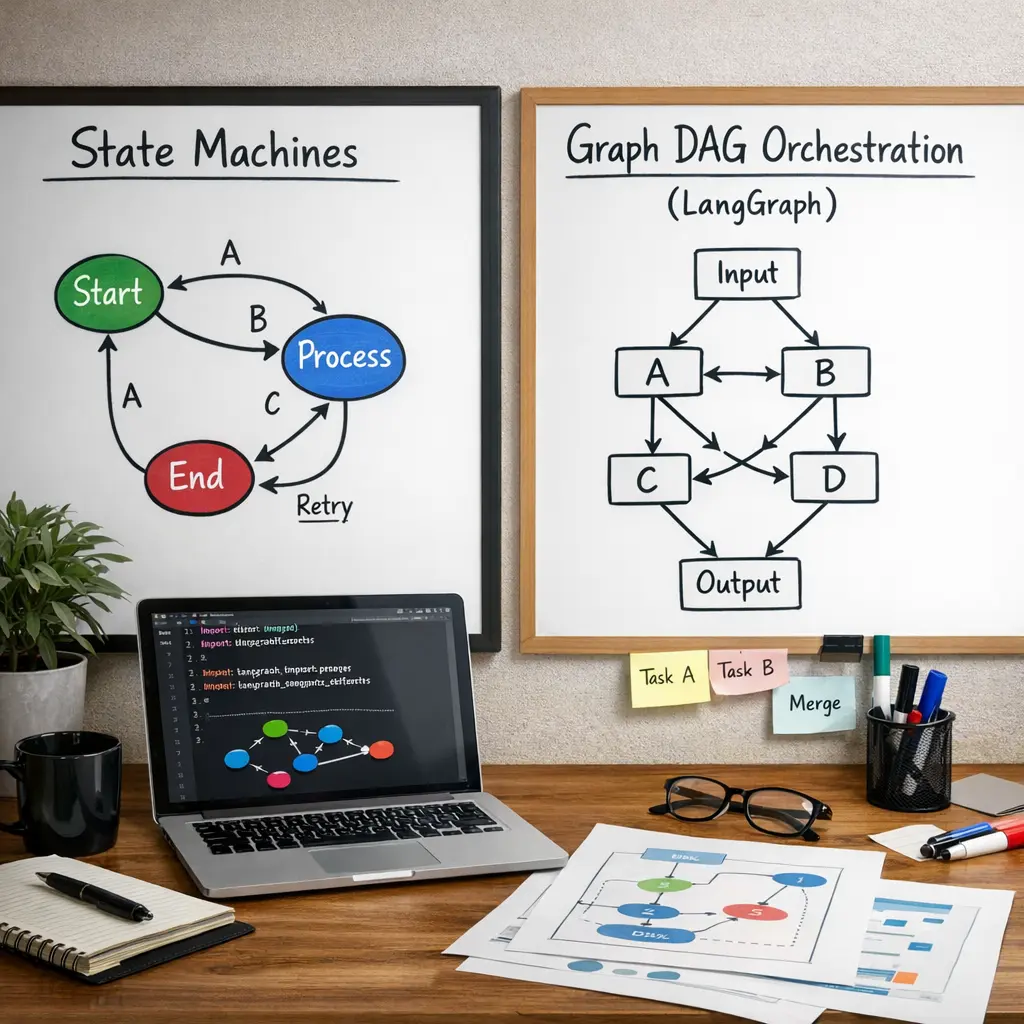
Model Routing, Switching & Canarying (Agent Architecture) refers to a system design where requests are intelligently directed (routing) and dynamically transferred (switching) between multiple AI models or agents. Canarying involves gradually deploying new models to a subset of traffic to monitor performance and ensure stability before full rollout. This architecture enhances reliability, scalability, and allows safe experimentation, enabling seamless updates and optimal use of diverse AI models within complex applications.
Model Routing, Switching & Canarying
Model Routing, Switching & Canarying (Agent Architecture) refers to a system design where requests are intelligently directed (routing) and dynamically transferred (switching) between multiple AI models or agents. Canarying involves gradually deploying new models to a subset of traffic to monitor performance and ensure stability before full rollout. This architecture enhances reliability, scalability, and allows safe experimentation, enabling seamless updates and optimal use of diverse AI models within complex applications.

💡 Key Takeaways
- Understand how model routing directs traffic to different model versions and why routing matters.
- Learn what canary deployment is and how to incrementally roll out a new model to a subset of users.
- Identify key metrics and safeguards (latency, accuracy, error rate, drift) to monitor during routing and canarying.
- Explore traffic-switching strategies (blue/green, canary, dark launch) and rollback plans for quick recovery.
❓ Frequently Asked Questions
What is model routing?
Directing incoming requests to one or more model versions in production, often using traffic splits, user segments, or A/B tests to compare performance.
What does it mean to canary a model?
Gradually roll out a new model version to a small portion of traffic to monitor performance and safety before full deployment.
How do routing and switching differ in model deployment?
Routing decides which model handles a request (e.g., per-user or per-traffic group); switching changes the active model version across the service (often after a successful canary).
What metrics should you monitor during a canary?
Accuracy or business metrics, latency, throughput, error rate, resource usage, and drift indicators; compare against a baseline to determine if rollout should continue.