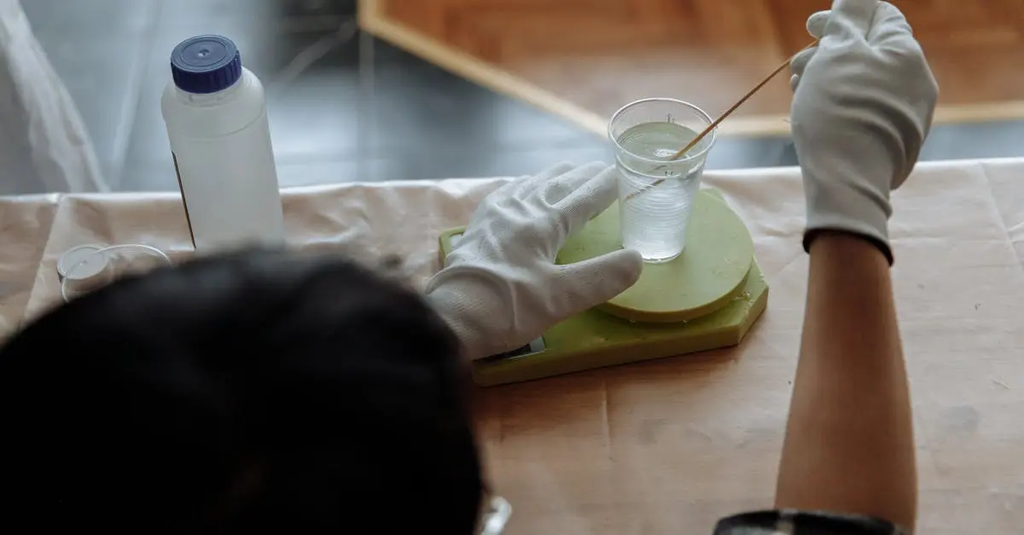
Modern chemistry is the scientific study of matter, its properties, composition, and the changes it undergoes during chemical reactions. It integrates principles from physics and biology, utilizing advanced techniques and technology to explore atomic and molecular structures. Modern chemistry underpins innovations in medicine, materials science, energy, and environmental protection, driving progress in numerous fields. It emphasizes both theoretical understanding and practical application to solve real-world problems and improve quality of life.
Modern Chemistry+50
Modern chemistry is the scientific study of matter, its properties, composition, and the changes it undergoes during chemical reactions. It integrates principles from physics and biology, utilizing advanced techniques and technology to explore atomic and molecular structures. Modern chemistry underpins innovations in medicine, materials science, energy, and environmental protection, driving progress in numerous fields. It emphasizes both theoretical understanding and practical application to solve real-world problems and improve quality of life.
💡 Key Takeaways
- Understand that matter is made of atoms and molecules and how their structure determines properties.
- Learn what a chemical reaction is, including reactants, products, and energy changes.
- See how chemistry connects with physics and biology to explain processes at the atomic level.
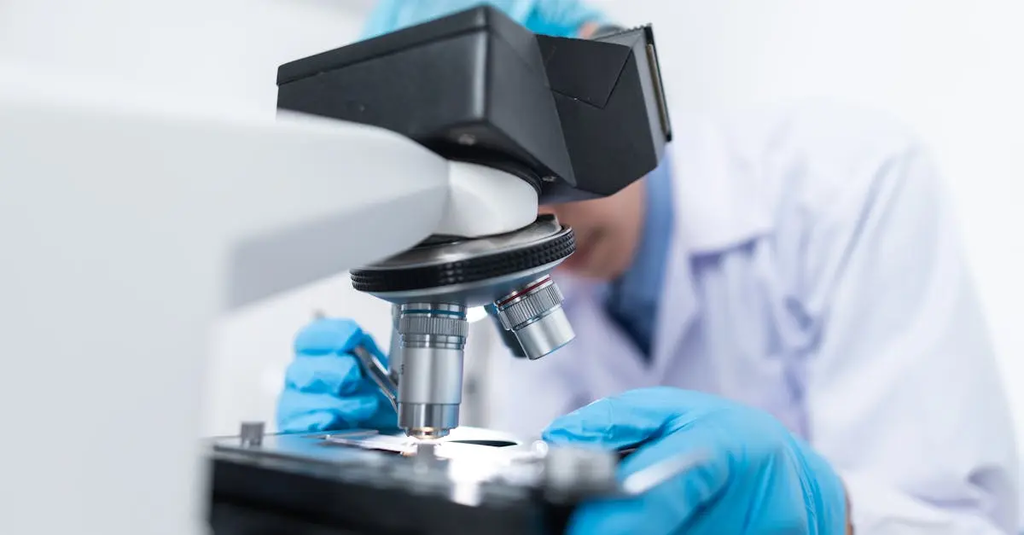
- Explore modern techniques used to study atoms and molecules, such as spectroscopy, microscopy, and computational methods.
- Recognize real-world applications of chemistry in materials, medicine, and environmental technology.
❓ Frequently Asked Questions
What is modern chemistry?
Modern chemistry studies matter—its properties, composition, and the changes it undergoes in reactions—using theories, experiments, and advanced techniques to understand atoms and molecules.
How does chemistry relate to physics and biology?
Chemistry uses physical principles to explain energy and matter at the atomic level and overlaps with biology in biochemistry and the chemistry of living systems.
What are atoms and molecules, and why are they important?
Atoms are the basic building blocks of elements; molecules are groups of two or more atoms bonded together. Their arrangement determines properties and how substances react.
What is a chemical reaction and what are common signs it has occurred?
A chemical reaction transforms substances into new ones by rearranging atoms. Signs include color change, temperature change, new precipitates, gas production, and odor changes.