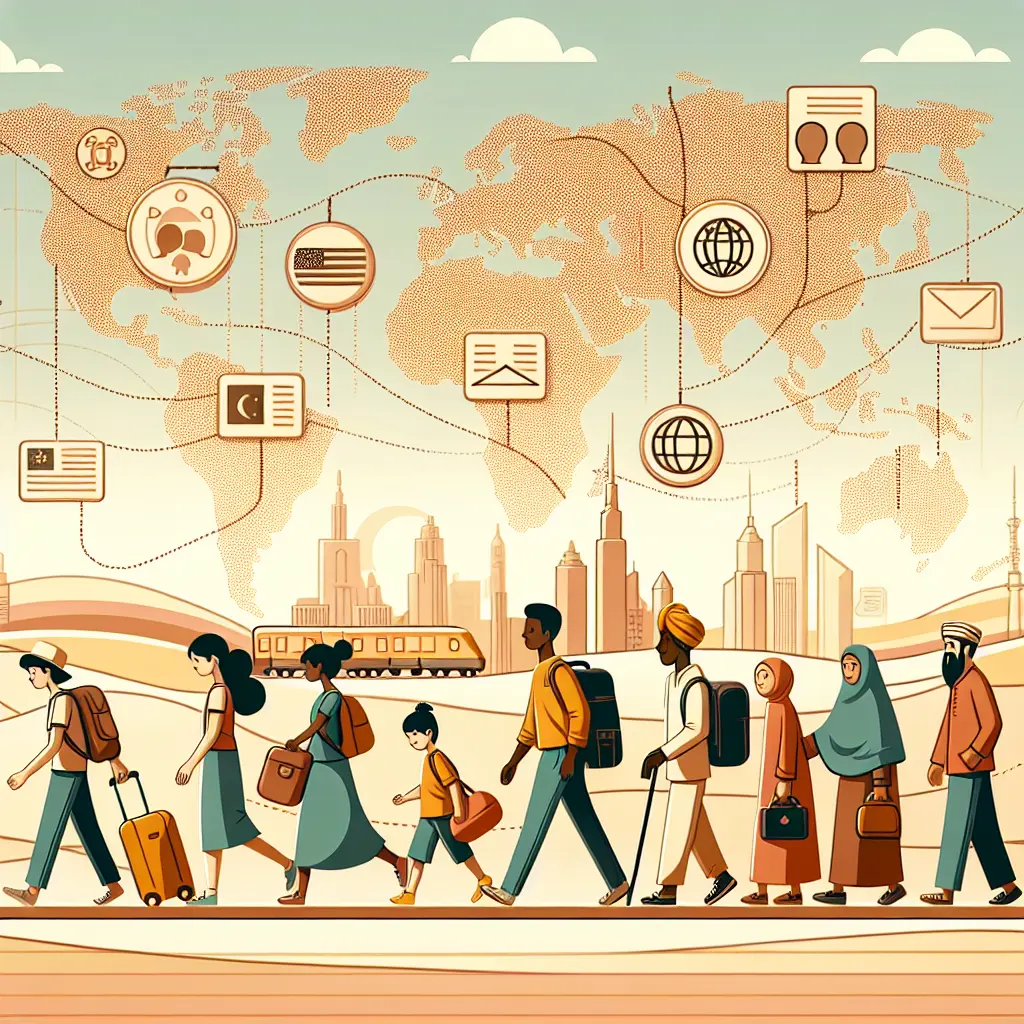
"Modern History: Research Topics, Debates & Frontiers" refers to the study of historical events from the late 15th century to the present, focusing on key themes such as industrialization, revolutions, world wars, and globalization. It encompasses current scholarly debates over interpretations and methodologies, as well as emerging frontiers like digital history, transnational perspectives, and the inclusion of previously marginalized voices, reflecting the evolving nature of historical inquiry and understanding.
Modern History: Research Topics, Debates & Frontiers
"Modern History: Research Topics, Debates & Frontiers" refers to the study of historical events from the late 15th century to the present, focusing on key themes such as industrialization, revolutions, world wars, and globalization. It encompasses current scholarly debates over interpretations and methodologies, as well as emerging frontiers like digital history, transnational perspectives, and the inclusion of previously marginalized voices, reflecting the evolving nature of historical inquiry and understanding.
💡 Key Takeaways
- Identify core themes of modern history (industrialization, revolutions, world wars, globalization) and how they connect globally.
- Compare major historiographical debates about causes, consequences, and interpretations of key events.
- Explore current research frontiers, such as digital history, transnational approaches, and new primary sources.
- Practice analyzing primary sources to build evidence-based explanations of late 15th century to the present.
❓ Frequently Asked Questions
What is modern history?
A field studying events from the late 15th century to today, focusing on industrialization, revolutions, world wars, globalization, and how interpretations of these events have evolved.
What does historiography mean?
The study of how history is written, including sources, methods, perspectives, and the debates that shape different interpretations.
What is the difference between primary and secondary sources?
Primary sources are original materials from the period (e.g., documents, artifacts); secondary sources are later analyses or interpretations based on those sources.
What are current debates or frontiers in modern history?
Global and transnational histories, decolonization, globalization and economic change, environmental and digital history, and the use of new sources and methods (e.g., quantitative data, GIS) in research.