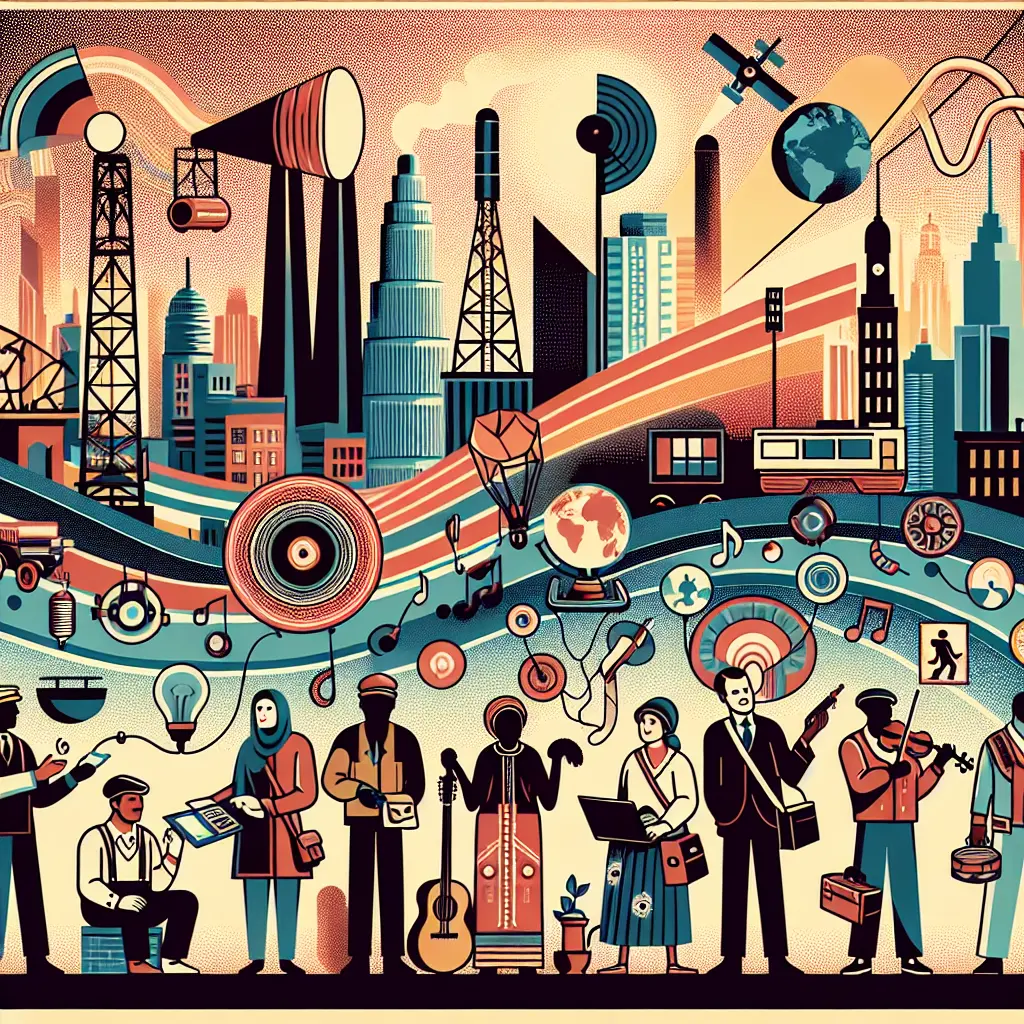
"Modern History: Summaries & Core Concepts" refers to concise overviews and essential ideas from the period typically spanning the late 15th century to the present. This includes major events, movements, and transformations such as the Renaissance, Enlightenment, industrialization, world wars, decolonization, and globalization. The focus is on understanding key developments, influential figures, and the underlying causes and effects that have shaped contemporary societies and global relations.
Modern History: Summaries & Core Concepts
"Modern History: Summaries & Core Concepts" refers to concise overviews and essential ideas from the period typically spanning the late 15th century to the present. This includes major events, movements, and transformations such as the Renaissance, Enlightenment, industrialization, world wars, decolonization, and globalization. The focus is on understanding key developments, influential figures, and the underlying causes and effects that have shaped contemporary societies and global relations.
💡 Key Takeaways
- Understand how Renaissance and Enlightenment transformed politics, science, and culture.
- Explain how industrialization reshaped economies, cities, and daily life, and how it spread globally.
- Analyze the causes and consequences of major conflicts and revolutions, including the world wars and shifts in power after 1945.
- Examine processes of decolonization, nationalism, globalization, and human rights movements that define the modern era.
❓ Frequently Asked Questions
What defines modern history and its periodization?
Modern history covers roughly the period from the late 15th century to today, marked by rapid political, scientific, economic, and global changes beyond the medieval world.
What was the Renaissance and why is it important?
A cultural and intellectual revival in Europe (roughly the 14th to 17th centuries) that revived classical learning, spurred advances in art and science, and helped shape modern thought.
What is the Enlightenment and its impact on modern societies?
A 17th and 18th century movement promoting reason, scientific inquiry, individual rights, and skepticism of absolute authority; it influenced politics, education, and human rights.
Why is industrialization a key turning point?
The shift to mechanized factory production transformed economies, labor systems, urban life, and global trade, driving technological change and social reform.
What is decolonization and why is it significant?
The mid-20th century process by which colonies gained independence, reshaping nations, borders, and global power, and contributing to postcolonial identities.