Molecular gastronomy is a culinary discipline that explores the science behind cooking, focusing on the physical and chemical transformations of ingredients. Chefs use innovative techniques—such as spherification, foaming, and gelification—to create unique textures and flavors, often resulting in visually stunning dishes. This approach blends art and science, challenging traditional cooking methods and offering diners novel sensory experiences. Molecular gastronomy has revolutionized modern cuisine, making food both a scientific experiment and a creative expression.
Molecular Gastronomy
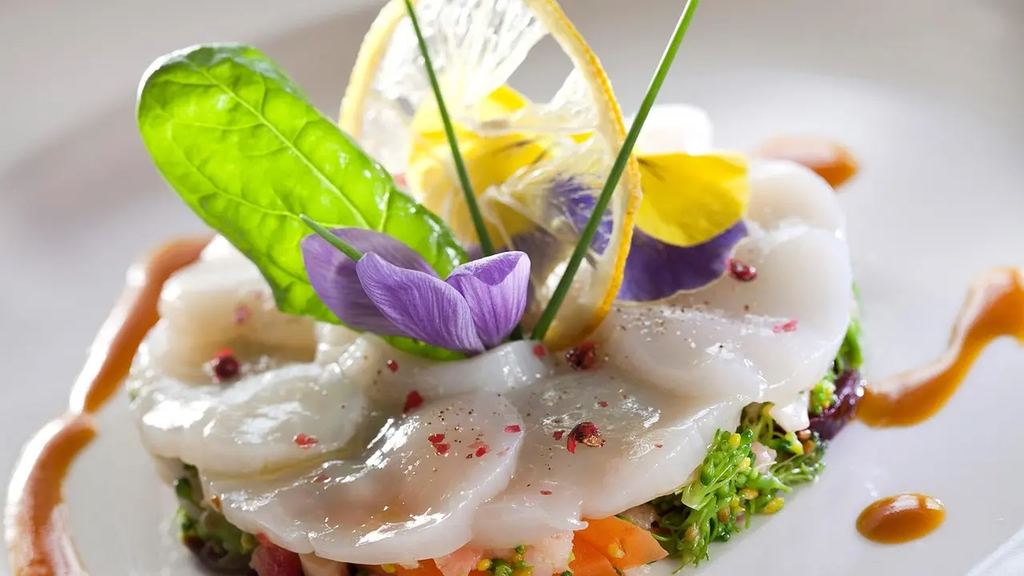
Molecular gastronomy is a culinary discipline that explores the science behind cooking, focusing on the physical and chemical transformations of ingredients. Chefs use innovative techniques—such as spherification, foaming, and gelification—to create unique textures and flavors, often resulting in visually stunning dishes. This approach blends art and science, challenging traditional cooking methods and offering diners novel sensory experiences. Molecular gastronomy has revolutionized modern cuisine, making food both a scientific experiment and a creative expression.
💡 Key Takeaways
- Grasp the core idea of molecular gastronomy: using science to explain and control cooking.
- Learn key techniques (spherification, gelification, emulsions, foams) and their effects on texture.
- Understand how temperature, pH, and chemistry change flavor and mouthfeel.
- Explore how modernist chefs design dishes that surprise and delight.
❓ Frequently Asked Questions
What is molecular gastronomy?
A field that uses scientific principles to study and control the physical and chemical changes in cooking, enabling new textures, flavors, and presentations.
What are common techniques featured in molecular gastronomy?
Techniques include spherification, gelification, emulsification and foams, sous‑vide cooking, rapid chilling with cold or liquid nitrogen, and the use of hydrocolloids to modify texture.
How does spherification work?
A liquid containing alginate is dropped into a calcium-containing bath, forming a gel skin around the liquid to create a sphere.
What are hydrocolloids and why are they used?
Hydrocolloids are gelling or thickening agents (like agar, xanthan gum, carrageenan) that modify texture, stabilize emulsions, and help shape foods.