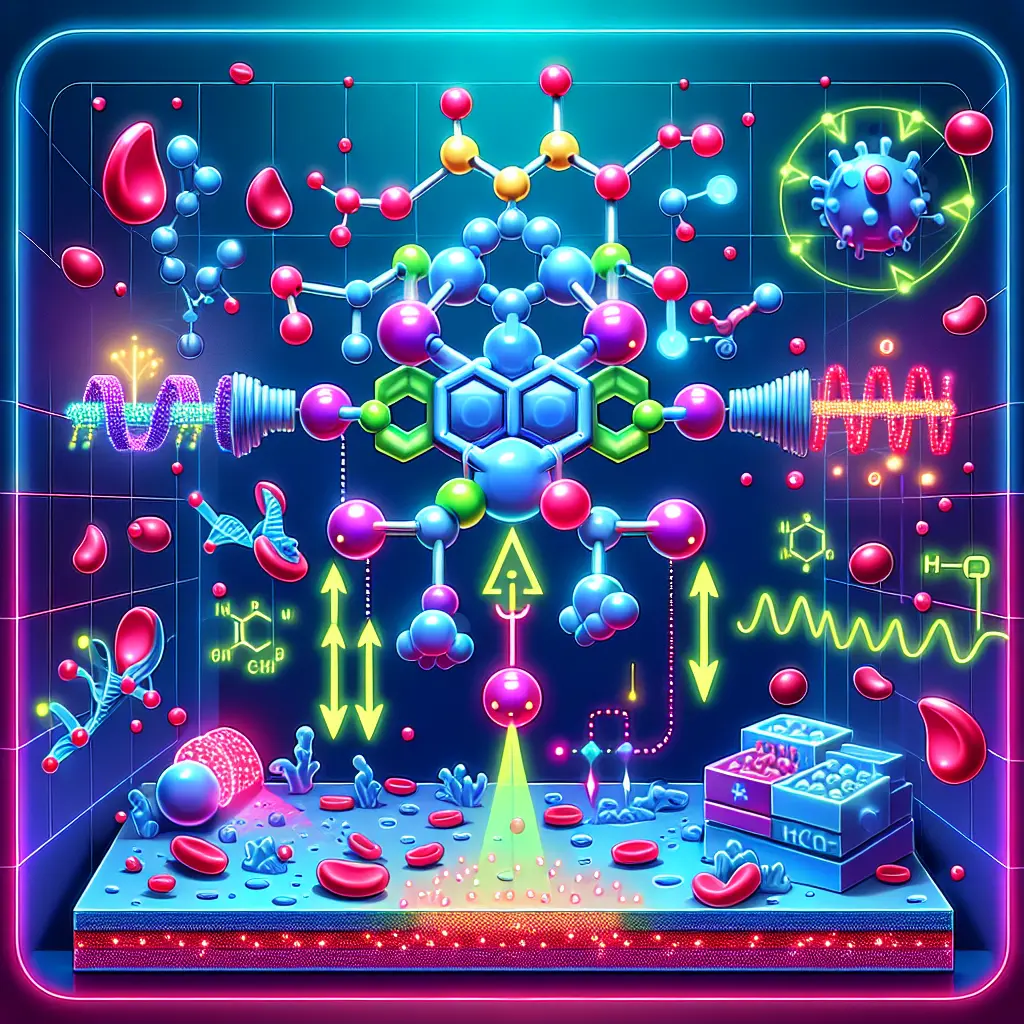
Molecular pathophysiology refers to the study of how molecular and cellular processes contribute to the development and progression of diseases. It examines the specific changes in genes, proteins, and biochemical pathways that disrupt normal bodily functions, leading to illness. By understanding these molecular mechanisms, researchers can identify potential targets for new treatments, improve diagnostic methods, and gain insights into how diseases originate and evolve at the most fundamental biological level.
Molecular Pathophysiology
Molecular pathophysiology refers to the study of how molecular and cellular processes contribute to the development and progression of diseases. It examines the specific changes in genes, proteins, and biochemical pathways that disrupt normal bodily functions, leading to illness. By understanding these molecular mechanisms, researchers can identify potential targets for new treatments, improve diagnostic methods, and gain insights into how diseases originate and evolve at the most fundamental biological level.

💡 Key Takeaways
- Explain how molecular and cellular changes contribute to the development and progression of diseases.
- Identify the roles of genes, proteins, and biochemical pathways in disease mechanisms.
- Describe how disruptions in signaling and metabolic pathways alter cellular function and lead to pathology.
- Apply molecular pathophysiology concepts to interpret clinical disease mechanisms and explore potential therapeutic targets.
❓ Frequently Asked Questions
What is molecular pathophysiology?
The study of how molecular and cellular changes—such as genetic alterations, abnormal proteins, and disrupted biochemical pathways—lead to disease.
How do gene mutations contribute to disease?
Mutations can alter protein structure or regulation, disrupt signaling networks, and impair cellular processes, triggering pathology.
Why are proteins and signaling pathways central to disease development?
Proteins act as enzymes, receptors, and regulators; when their function or communication falters, cells malfunction and disease processes emerge.
How does understanding molecular pathophysiology guide treatment?
It helps identify molecular targets and pathways for therapies, enabling more precise, mechanism-based or personalized treatments.