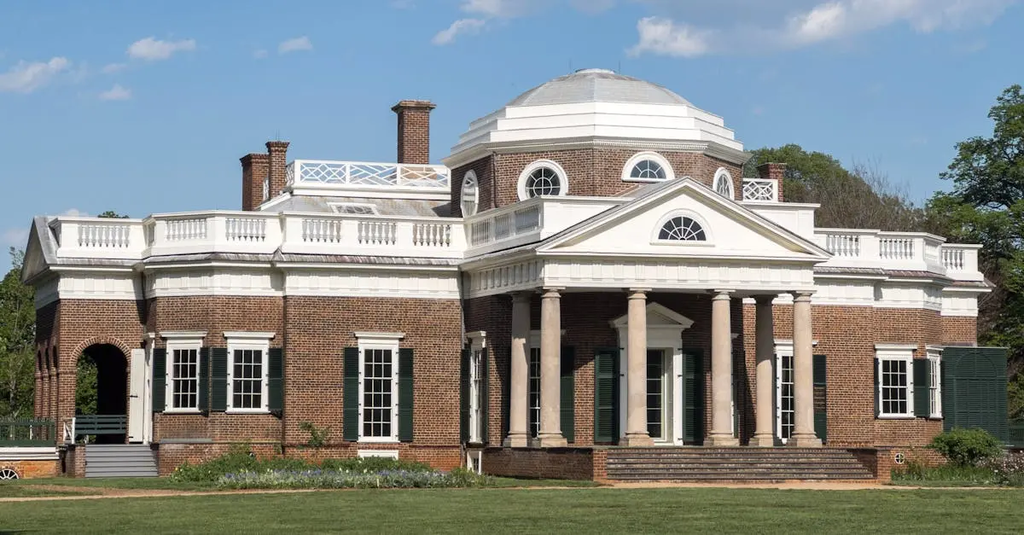
Monticello and Mount Vernon, the iconic estates of Thomas Jefferson and George Washington, showcase neoclassical architecture reflecting Enlightenment ideals. However, their grandeur was made possible by the forced labor of enslaved people, whose contributions were essential to the construction, maintenance, and operation of these homes. The estates thus embody a complex legacy, blending architectural innovation with the stark realities of slavery in early American history.
Monticello and Mount Vernon: Architecture and Enslaved Labor Histories
Monticello and Mount Vernon, the iconic estates of Thomas Jefferson and George Washington, showcase neoclassical architecture reflecting Enlightenment ideals. However, their grandeur was made possible by the forced labor of enslaved people, whose contributions were essential to the construction, maintenance, and operation of these homes. The estates thus embody a complex legacy, blending architectural innovation with the stark realities of slavery in early American history.
💡 Key Takeaways
- Understand how neoclassical architecture at Monticello and Mount Vernon reflects Enlightenment ideals.
- Learn about the essential role of enslaved labor in constructing, maintaining, and operating these estates.
- Explore how architectural design and labor histories intersect with memory and interpretation at these landmarks.
- Recognize how these sites balance celebrated heritage with the critical history of slavery.
❓ Frequently Asked Questions
What are Monticello and Mount Vernon, and who lived there?
Monticello was Thomas Jefferson's Virginia estate; Mount Vernon was George Washington's Virginia estate—both iconic examples of American neoclassical design.
What architectural style are these estates known for?
Neoclassical architecture, reflecting Enlightenment ideas with balanced layouts, classical forms, and orderly landscapes.
How did enslaved labor contribute to the estates?
Enslaved people built and maintained the houses and grounds, performing construction, masonry, carpentry, farming, and daily domestic work essential to the estates’ grandeur.
How is the history of enslaved labor addressed today?
Tours and scholarship acknowledge enslaved individuals, highlight slave quarters and personal stories, and place architecture within the broader context of enslaved labor.
Why are these sites considered both landmarks and hidden gems?
They are celebrated for architectural achievement and national history, while also revealing the overlooked contributions and experiences of enslaved people behind their grandeur.