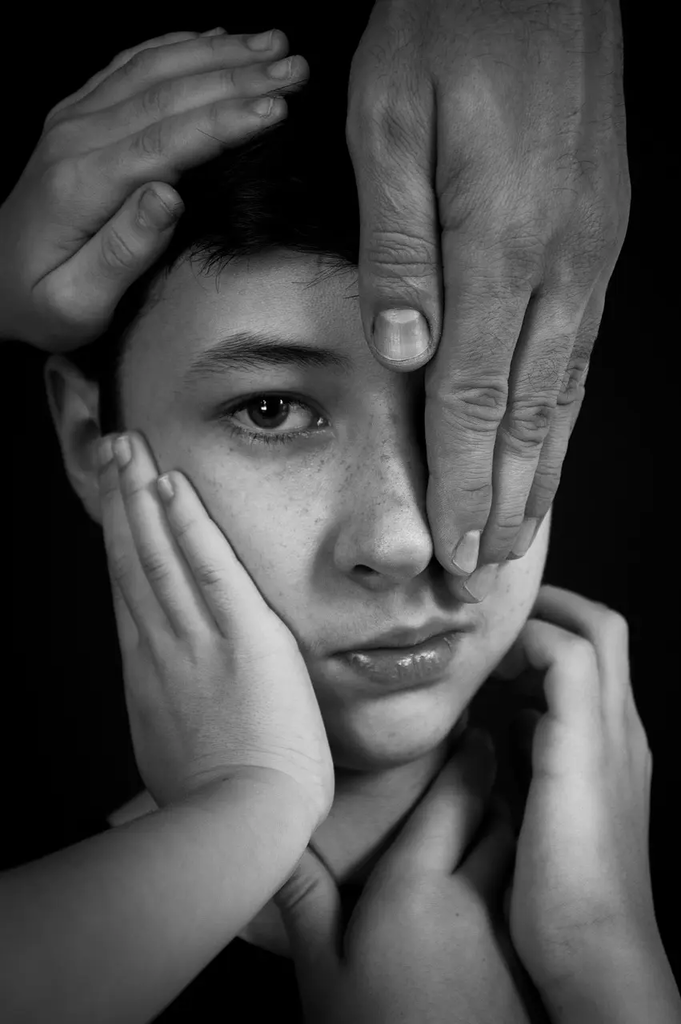
Mood disorders are a category of mental health conditions characterized by significant disturbances in a person’s emotional state. These disorders primarily include depression, bipolar disorder, and related conditions. Individuals with mood disorders may experience prolonged periods of extreme sadness, elevated mood, or fluctuations between the two. Symptoms can affect daily functioning, relationships, and overall quality of life. Early diagnosis and treatment are essential for effective management and improved well-being.
Mood Disorders Overview
Mood disorders are a category of mental health conditions characterized by significant disturbances in a person’s emotional state. These disorders primarily include depression, bipolar disorder, and related conditions. Individuals with mood disorders may experience prolonged periods of extreme sadness, elevated mood, or fluctuations between the two. Symptoms can affect daily functioning, relationships, and overall quality of life. Early diagnosis and treatment are essential for effective management and improved well-being.

💡 Key Takeaways
- Understand mood disorders as conditions like depression and bipolar disorder, and how they affect mood, energy, and daily functioning.
- Identify common symptoms across mood disorders, such as persistent sadness or emptiness, loss of interest, fatigue, and changes in sleep or appetite (with mood swings in bipolar disorder).
- Learn about risk factors and triggers, including genetics, brain chemistry, and significant life events that can contribute to mood disorders.
- Explore treatment and support options, including psychotherapy, medications, lifestyle strategies, and when to seek professional help.
❓ Frequently Asked Questions
What is a mood disorder?
A group of mental health conditions marked by persistent changes in mood that affect thoughts, behavior, and daily functioning. Common examples include major depressive disorder and bipolar disorders.
What are the main types of mood disorders?
The most common types are major depressive disorder and bipolar disorders (types I and II). Other examples include persistent depressive disorder (dysthymia) and cyclothymic disorder.
What are common symptoms of mood disorders?
Prolonged sadness or irritability, loss of interest, changes in sleep or appetite, fatigue, difficulty concentrating, and feelings of worthlessness or thoughts of self-harm.
How are mood disorders diagnosed and treated?
Diagnosis is made through clinical evaluation and may involve ruling out other causes. Treatment typically combines psychotherapy, medications (such as antidepressants or mood stabilizers), and lifestyle changes.