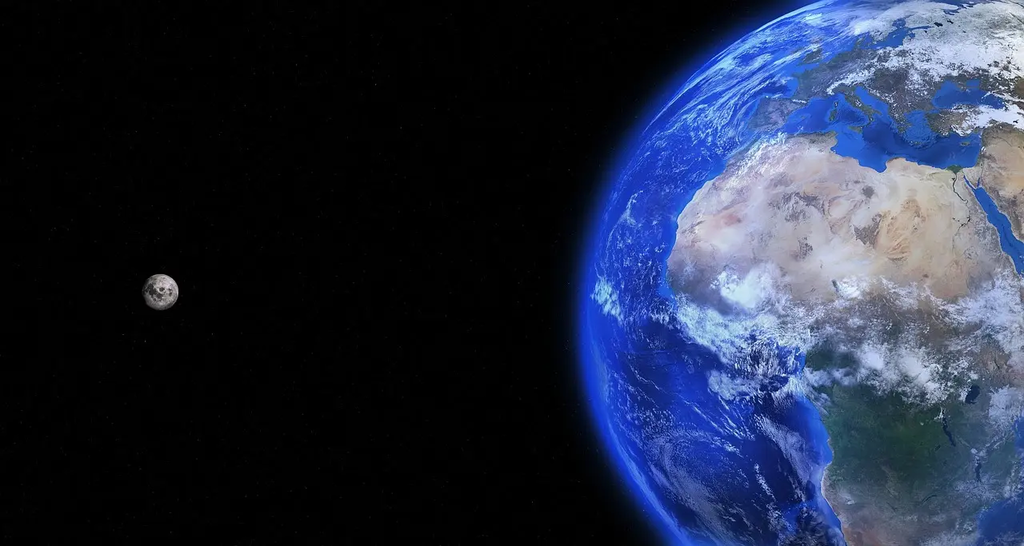
The phrase "Moon and Tides" refers to the relationship between the moon and the movement of Earth's ocean waters. The gravitational pull of the moon causes the rise and fall of ocean tides, creating high and low tides at regular intervals. This natural phenomenon demonstrates the moon’s influence on Earth, affecting coastal environments, marine life, and even human activities related to the sea.
Moon and Tides+50
The phrase "Moon and Tides" refers to the relationship between the moon and the movement of Earth's ocean waters. The gravitational pull of the moon causes the rise and fall of ocean tides, creating high and low tides at regular intervals. This natural phenomenon demonstrates the moon’s influence on Earth, affecting coastal environments, marine life, and even human activities related to the sea.
💡 Key Takeaways
- Understand how the Moon's gravity creates ocean tides on Earth.
- Learn how the Sun's gravity combines with the Moon's to influence tide strength and timing.
- Distinguish high tides vs low tides and define spring tides and neap tides.
- Describe how the Moon's phase and position affect the timing and magnitude of tides at a given location.
❓ Frequently Asked Questions
How does the Moon influence tides?
The Moon's gravity pulls on Earth's oceans, creating bulges on the near and far sides. As Earth rotates, coastlines move through these bulges, causing high tides; areas between bulges have low tides.
What are spring tides and neap tides?
Spring tides occur during new and full Moon when the Sun, Moon, and Earth align, producing a larger tidal range. Neap tides happen at first and third quarters when the Sun and Moon are at right angles, producing a smaller tidal range.
Why are there typically two high tides each day on many coasts?
Two ocean bulges created by the Moon's gravity mean coastlines pass through a high tide twice each day as the Earth rotates.
Does the Sun affect tides, and how does geography matter?
Yes. The Sun's gravity also raises tides, though less than the Moon's. The solar tides combine with lunar tides, influencing the size of springs and neaps. Local geometry like coastline shape and seafloor depth also shapes the tidal range.