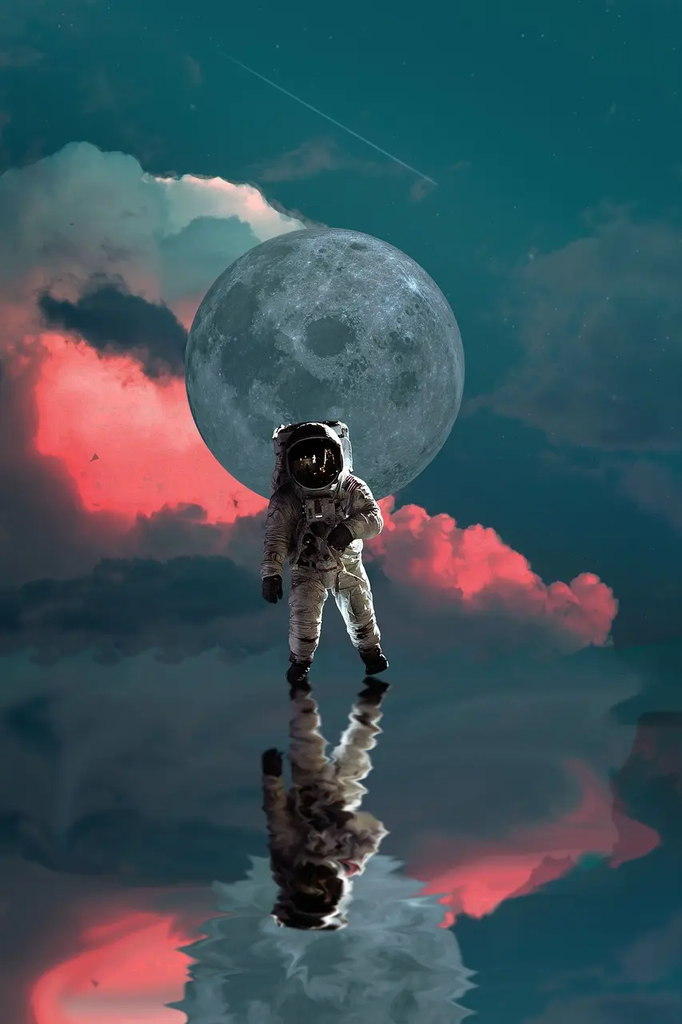
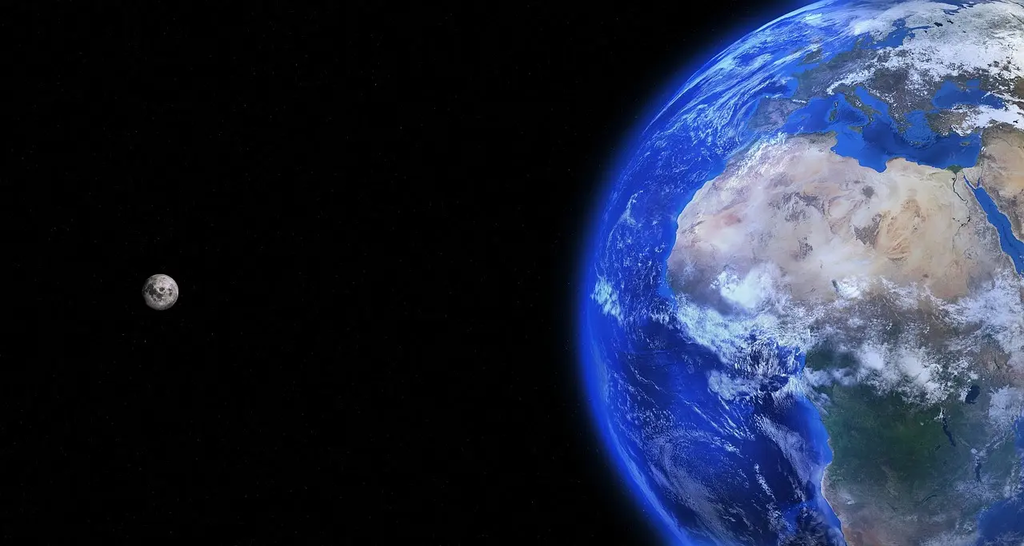
The moon holds a significant place in mythology across cultures, often symbolizing femininity, mystery, and cycles. Ancient civilizations viewed the moon as a powerful deity, such as the Greek goddess Selene or the Roman Luna. It was believed to influence tides, fertility, and human emotions. Myths frequently depict the moon as a guide, protector, or even a trickster, reflecting humanity’s fascination with its changing phases and presence in the night sky.
Moon in Mythology+50
The moon holds a significant place in mythology across cultures, often symbolizing femininity, mystery, and cycles. Ancient civilizations viewed the moon as a powerful deity, such as the Greek goddess Selene or the Roman Luna. It was believed to influence tides, fertility, and human emotions. Myths frequently depict the moon as a guide, protector, or even a trickster, reflecting humanity’s fascination with its changing phases and presence in the night sky.
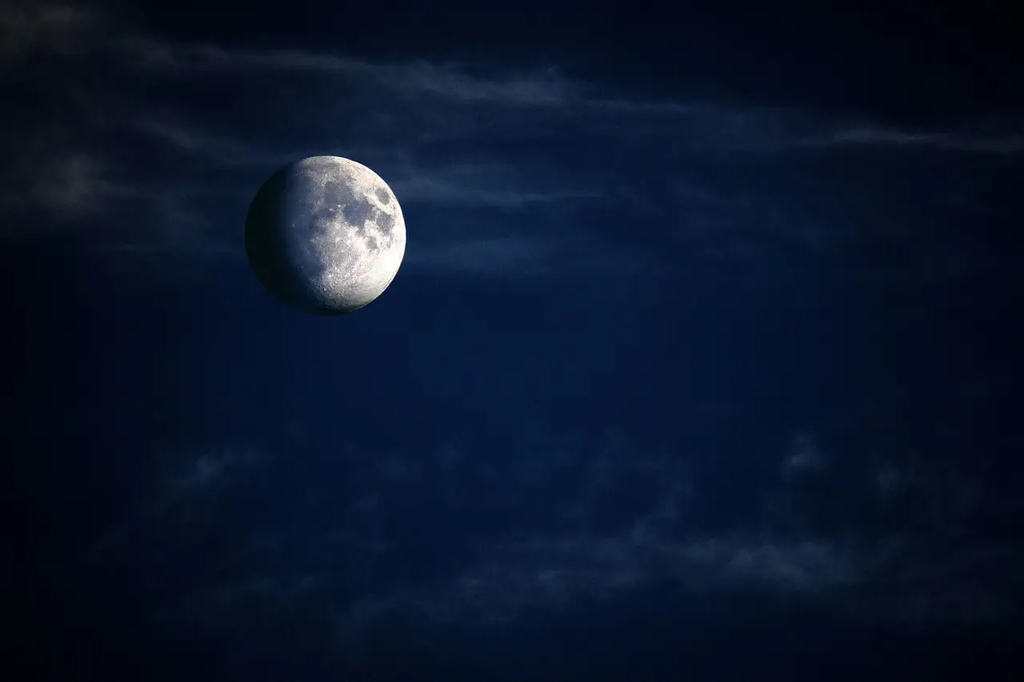
💡 Key Takeaways
- Learn how the Moon is portrayed as a deity or symbol in different mythologies (e.g., Selene/Luna, Chang'e, Tsukuyomi, Soma).
- Identify common Moon themes such as cycles, fertility, and timekeeping across cultures.
- Understand how Moon myths explain natural phenomena like tides and eclipses.
- See how Moon imagery influences art, literature, and rituals around the world.
❓ Frequently Asked Questions
Who is the Moon goddess in Greek mythology and who is her Roman counterpart?
Greek: Selene; Roman: Luna. They are often depicted as driving a moon-lit chariot across the night sky.
Name a major Moon deity from Hindu and East Asian mythologies.
Hindu: Chandra; East Asian (Chinese): Chang'e.
In Norse mythology, who is the Moon god and what is his role?
Mani; the Moon god who travels the night sky and governs the lunar cycle.
What are common themes associated with Moon deities in myths?
Time/calendars (lunar cycles), tides, fertility, and feminine mysteries.