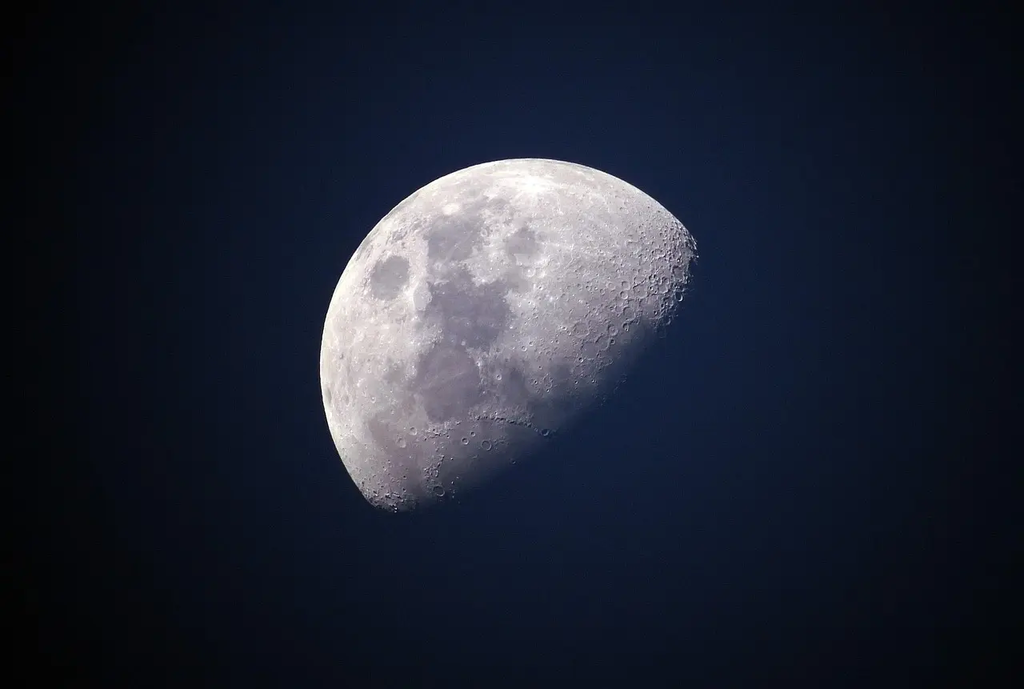
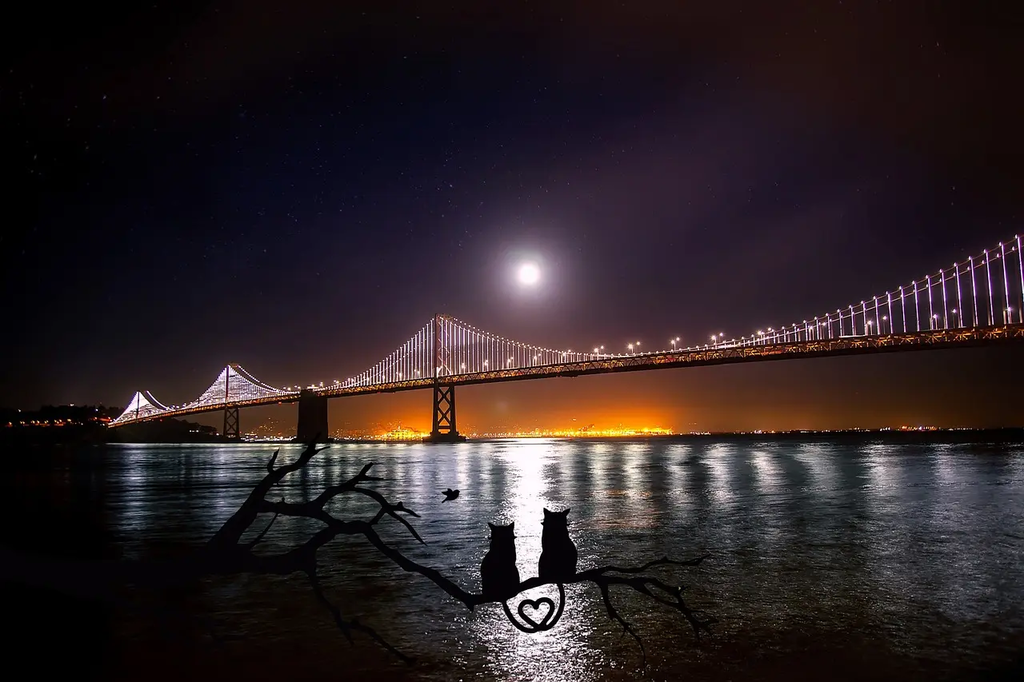
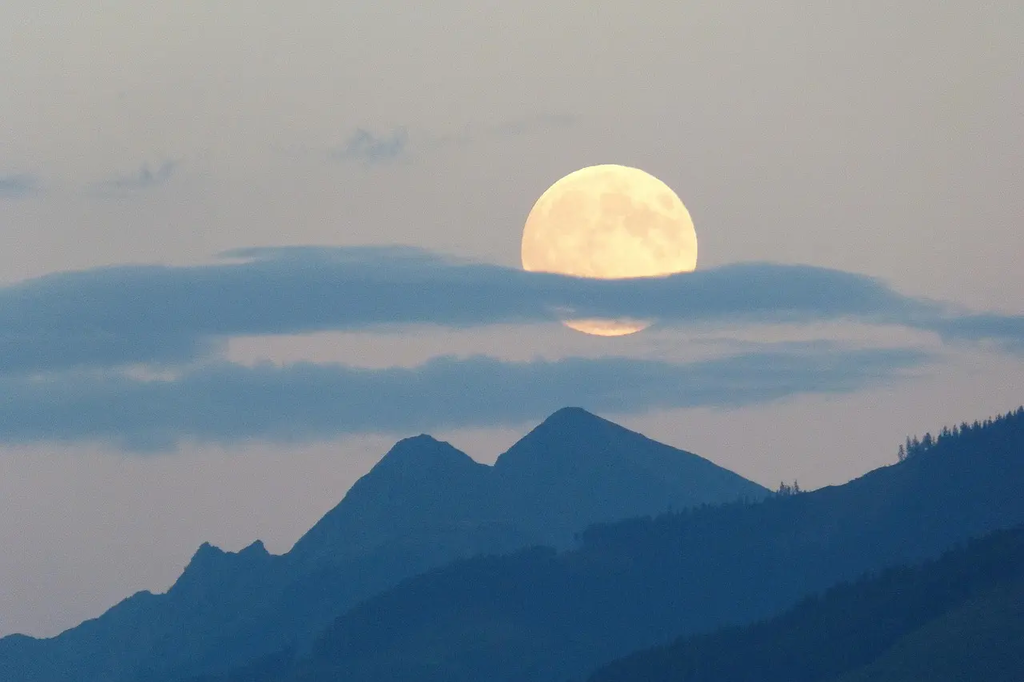
The Moon’s appearance from space reveals a barren, rocky sphere with a pale gray color. Its surface is marked by dark, flat plains called maria and lighter, cratered highlands. Craters of various sizes dot the landscape, formed by ancient asteroid impacts. The lack of atmosphere means sharp shadows and no weathering, preserving its features. The Moon’s phases, as seen from Earth, result from changing sunlight angles as it orbits our planet.
Moon's Appearance+45
The Moon’s appearance from space reveals a barren, rocky sphere with a pale gray color. Its surface is marked by dark, flat plains called maria and lighter, cratered highlands. Craters of various sizes dot the landscape, formed by ancient asteroid impacts. The lack of atmosphere means sharp shadows and no weathering, preserving its features. The Moon’s phases, as seen from Earth, result from changing sunlight angles as it orbits our planet.
💡 Key Takeaways
- Identify the main lunar phases (new moon, crescent, first quarter, gibbous, full) and the monthly cycle they follow.
- Explain how the Moon's appearance changes as it orbits Earth, including phase changes and a slight wobble called libration.
- Describe factors that affect the Moon's brightness and color in the night sky, such as sunlight, Earthshine, and atmospheric conditions.
- Recognize common visual effects, such as the Moon appearing larger near the horizon and color variations during certain events.
❓ Frequently Asked Questions
What causes the Moon's changing appearance over the month?
The Moon orbits Earth and is lit by the Sun. We see varying fractions of its sunlit side, producing the lunar phases from new to full over about 29.5 days.
What are the main Moon phases?
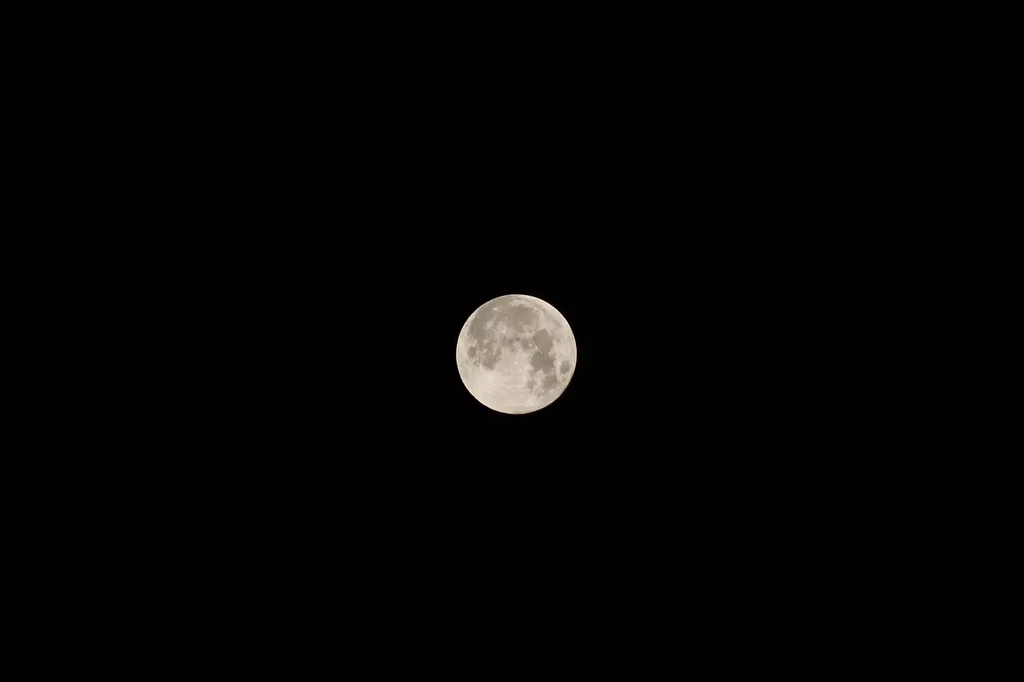
New Moon, Waxing Crescent, First Quarter, Waxing Gibbous, Full Moon, Waning Gibbous, Third Quarter, Waning Crescent.
What is a supermoon and why does it look bigger?
A full Moon that coincides with its closest approach to Earth (perigee) appears slightly larger and brighter, though the size change is subtle.
Why does the Moon sometimes look red or orange?
During a total lunar eclipse, Earth's atmosphere scatters blue light and lets red sunlight reach the Moon, giving it a reddish color; near the horizon it can also appear orange due to atmospheric scattering.
Does the Moon emit its own light?
No. The Moon shines by reflecting sunlight off its surface.