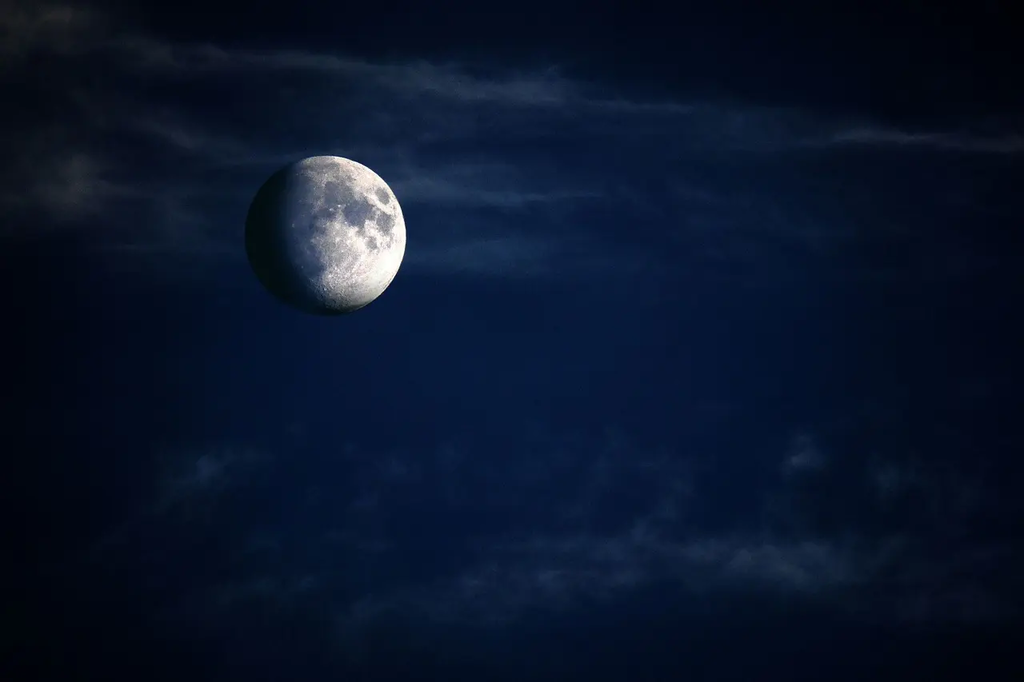
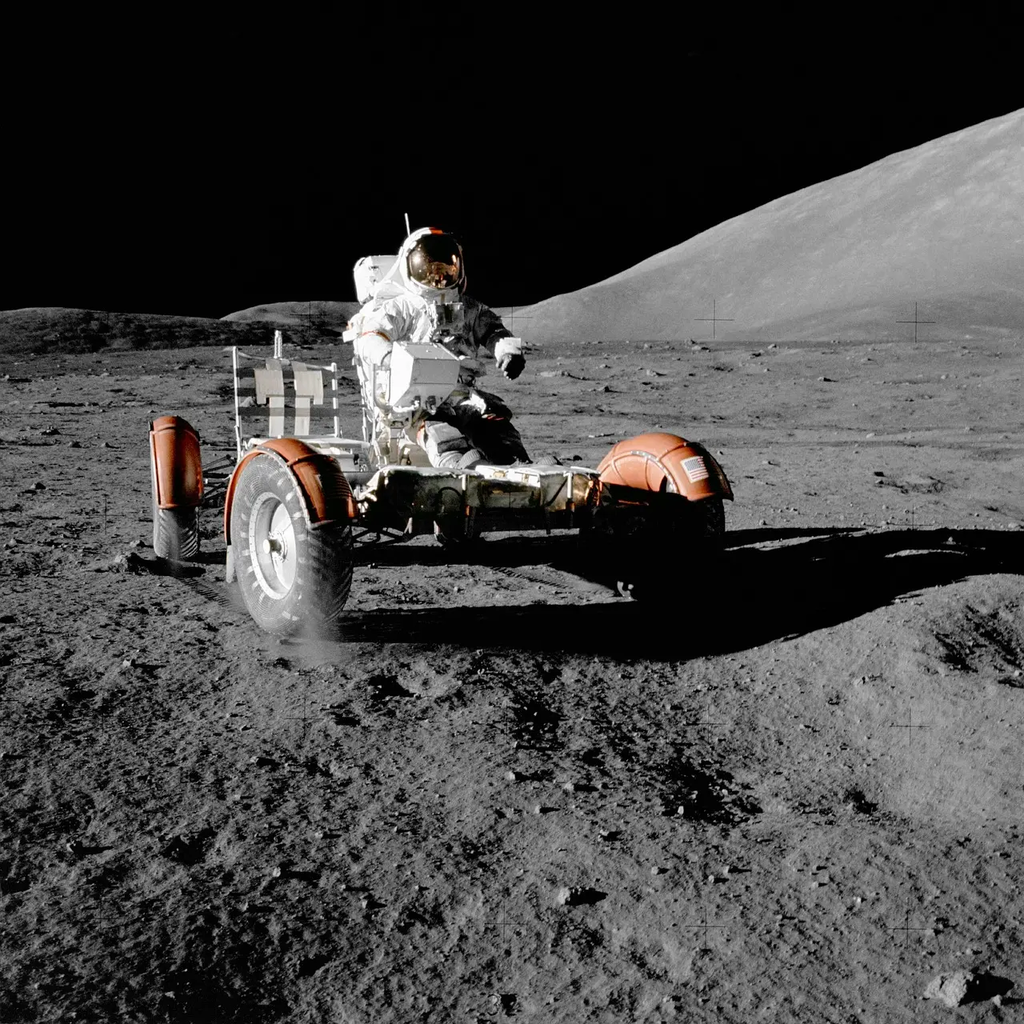
The Moon's atmosphere, often called an exosphere, is extremely thin compared to Earth's. It consists mainly of trace gases like helium, neon, hydrogen, and argon. This sparse layer cannot support weather, clouds, or breathable air. Because it's so tenuous, molecules rarely collide, and the surface is exposed directly to space. The lack of a substantial atmosphere means the Moon experiences extreme temperature changes between day and night.
Moon's Atmosphere
The Moon's atmosphere, often called an exosphere, is extremely thin compared to Earth's. It consists mainly of trace gases like helium, neon, hydrogen, and argon. This sparse layer cannot support weather, clouds, or breathable air. Because it's so tenuous, molecules rarely collide, and the surface is exposed directly to space. The lack of a substantial atmosphere means the Moon experiences extreme temperature changes between day and night.
💡 Key Takeaways
- Understand that the Moon has an almost non-existent atmosphere, best described as an exosphere rather than a true air layer.
- Identify trace gases detected in the Moon's exosphere (helium, neon, hydrogen, argon) and the extremely low pressures involved.
- Explain why there is no weather or breathable air on the Moon and how extreme day–night temperature swings contribute to gas escape.
- Compare the Moon's atmosphere to Earth's, noting the role of weaker gravity and solar wind interactions in producing and removing its sparse gases.
❓ Frequently Asked Questions
What is the Moon's atmosphere like?
The Moon has an extremely thin exosphere, not a true atmosphere. Gas molecules are present only sparsely, collisions are rare, and there is effectively no wind or weather.
Why is the Moon's atmosphere so thin?
Because the Moon has low gravity and no global magnetic field to retain gases. Any outgassed material or solar wind–impressed gases quickly escape to space, leaving a sparse exosphere.
What gases are present in the Moon's exosphere?
Only trace amounts of gases such as helium, neon, hydrogen, argon, and other minor species; the mix is far from breathable air.
Can you walk on the Moon without a spacesuit because of its atmosphere?
No. The exosphere provides no breathable air or protection; the surface is essentially a vacuum with extreme temperatures and radiation, requiring a pressurized spacesuit.